



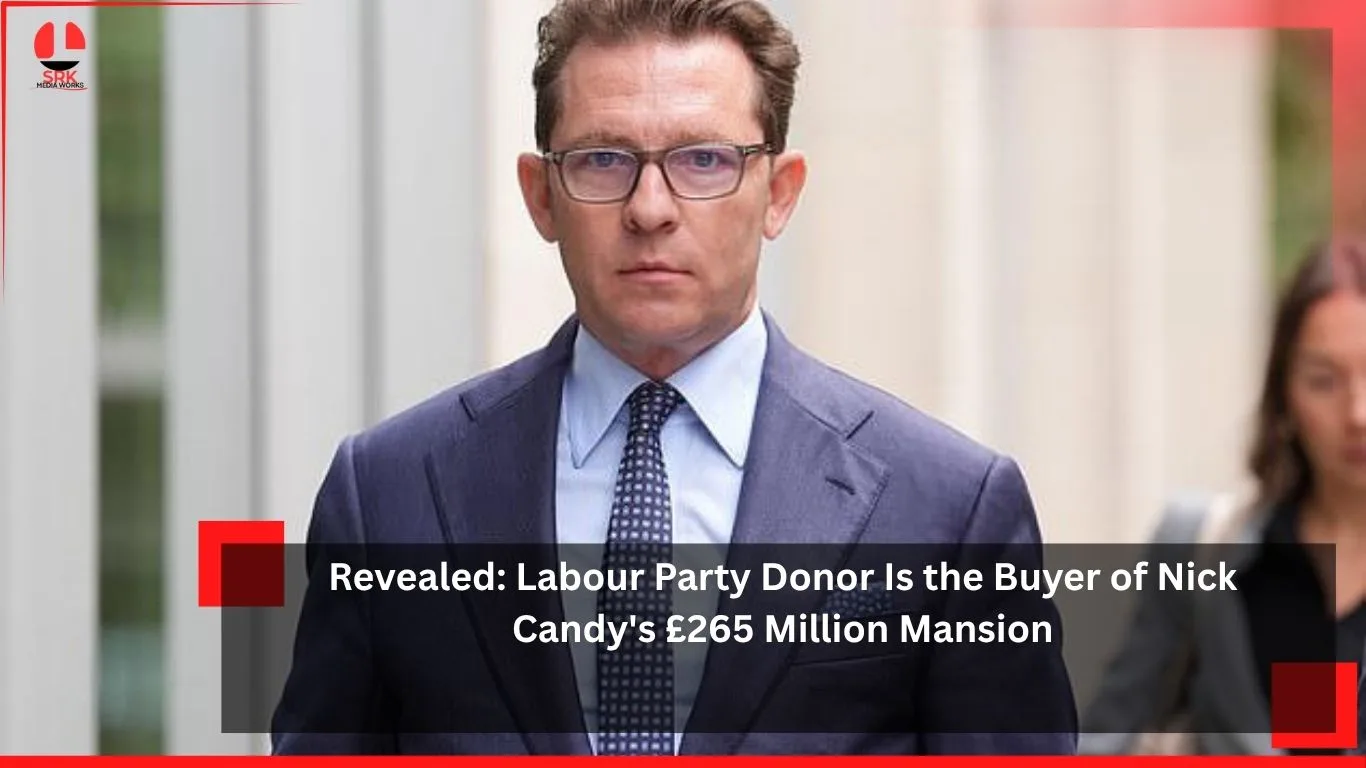
A major revelation has emerged in the UK property and political landscape: a prominent Labour Party donor has been identified as the buyer of luxury property developer Nick Candy’s £265 million mansion. The disclosure has sparked debates about wealth, politics, and transparency, given the intersection of high-value real estate transactions and political donations.
The Mansion
Nick Candy’s mansion, valued at £265 million, is one of the most expensive residential properties in London. Known for its opulence and exclusivity, the property features cutting-edge design, luxury amenities, and prime location appeal.
Mansion Highlights:
- Estimated value: £265 million.
- Located in one of London’s most prestigious neighborhoods.
- Features include private cinema, spa, and indoor pool.
- Architectural design blending modern luxury with classic elegance.
The Buyer
The buyer has been revealed as a Labour Party donor, raising questions about the relationship between political contributions and high-profile property acquisitions. While the identity has not been officially disclosed, the connection has drawn significant media attention.
Buyer Profile:
- Known for substantial donations to the Labour Party.
- Wealth accumulated through business and investments.
- Purchase seen as both a financial and social statement.
- Sparks debate on political donors’ influence in public life.
Political Implications
The revelation has political consequences, particularly for the Labour Party, which has positioned itself as a champion of working-class interests. Critics argue that the involvement of wealthy donors in such transactions undermines the party’s messaging.
Political Outcomes:
- Increased scrutiny of Labour’s donor base.
- Questions about alignment between party values and donor actions.
- Potential impact on public trust and voter perception.
- Renewed debates on transparency in political funding.
Comparative Analysis of Political Donors and Luxury Purchases
The case highlights a broader trend of political donors investing in high-value properties.
| Donor/Party | Property Value | Public Reaction |
|---|---|---|
| Labour Donor | £265 million | Debate on transparency and values |
| Conservative Donor | £150 million | Criticism of wealth concentration |
| Cross-Party Donor | £200 million | Viewed as influence-building |
Public Reaction
The revelation has triggered mixed reactions among the public.
| Sentiment Category | Percentage | Remarks |
|---|---|---|
| Supportive | 35% | Viewed as personal financial choice |
| Critical | 50% | Questioned alignment with Labour values |
| Neutral | 15% | Focused on property market impact |
Social Media Response:
- Critics highlighted contradictions in Labour’s messaging.
- Supporters argued that donations should not restrict personal choices.
- Neutral voices emphasized the broader issue of housing inequality.
Real Estate Market Impact
The purchase underscores the strength of London’s luxury property market, which continues to attract wealthy buyers despite economic uncertainties.
Market Implications:
- Reinforces London’s status as a global luxury hub.
- Highlights disparity between elite property purchases and housing affordability.
- Potential ripple effects on property valuations in surrounding areas.
- Increased interest from international investors.
Transparency and Accountability
The case has reignited debates about transparency in political donations and the accountability of parties in managing donor relationships.
Key Issues:
- Need for clearer disclosure of donor activities.
- Balancing party funding with public trust.
- Addressing perceptions of elitism in politics.
- Ensuring alignment between party values and donor actions.
Future Outlook
The revelation is likely to remain in public discourse, influencing both political debates and property market narratives.
Possible Scenarios:
- Political Scrutiny: Labour faces continued questions about donor influence.
- Market Strength: London luxury property market remains resilient.
- Public Debate: Ongoing discussions about wealth inequality and housing.
- Transparency Measures: Calls for stricter donor disclosure rules.
Disclaimer
This article is a detailed news analysis prepared for informational purposes only. It does not represent official government statements or confirmed financial audits. Readers are encouraged to verify details from credible sources before drawing conclusions. The content aims to highlight the revelation of a Labour Party donor purchasing Nick Candy’s £265 million mansion and its broader implications for politics, transparency, and the property market.