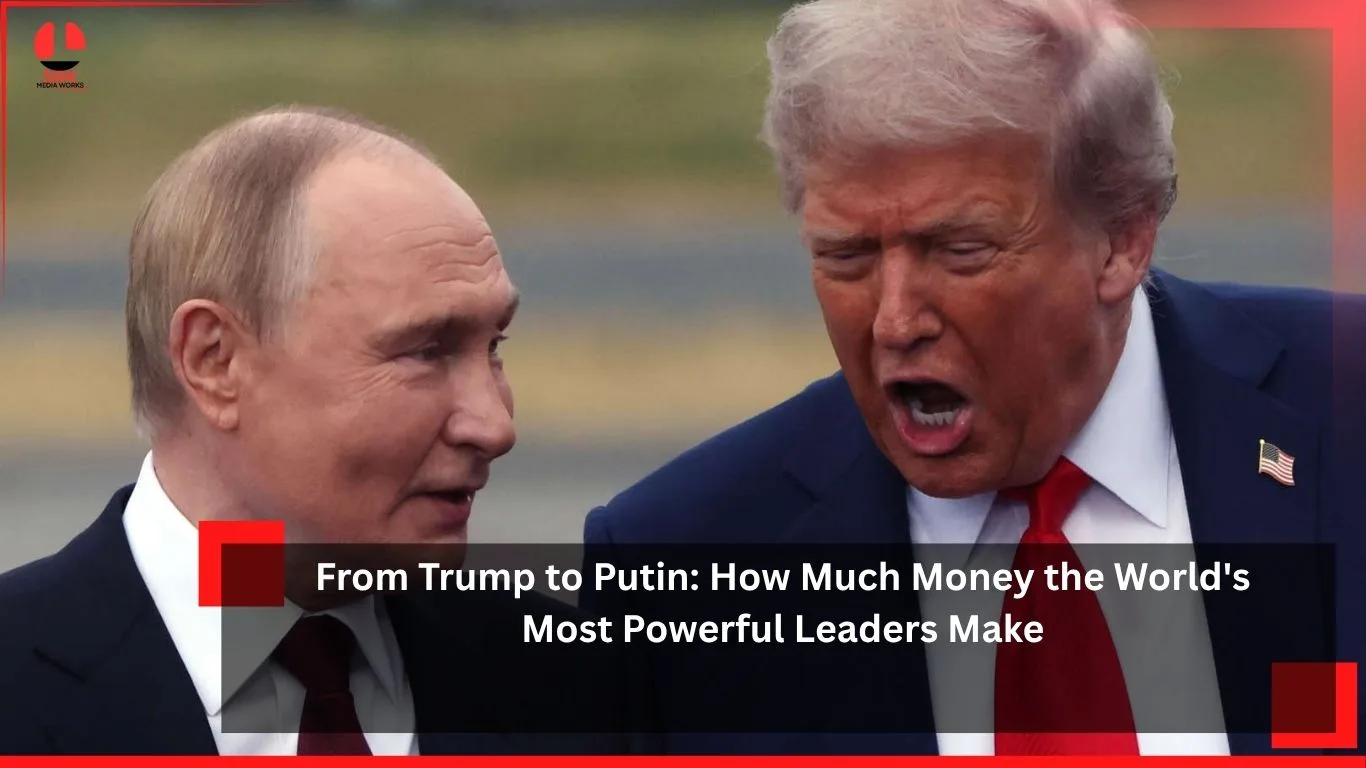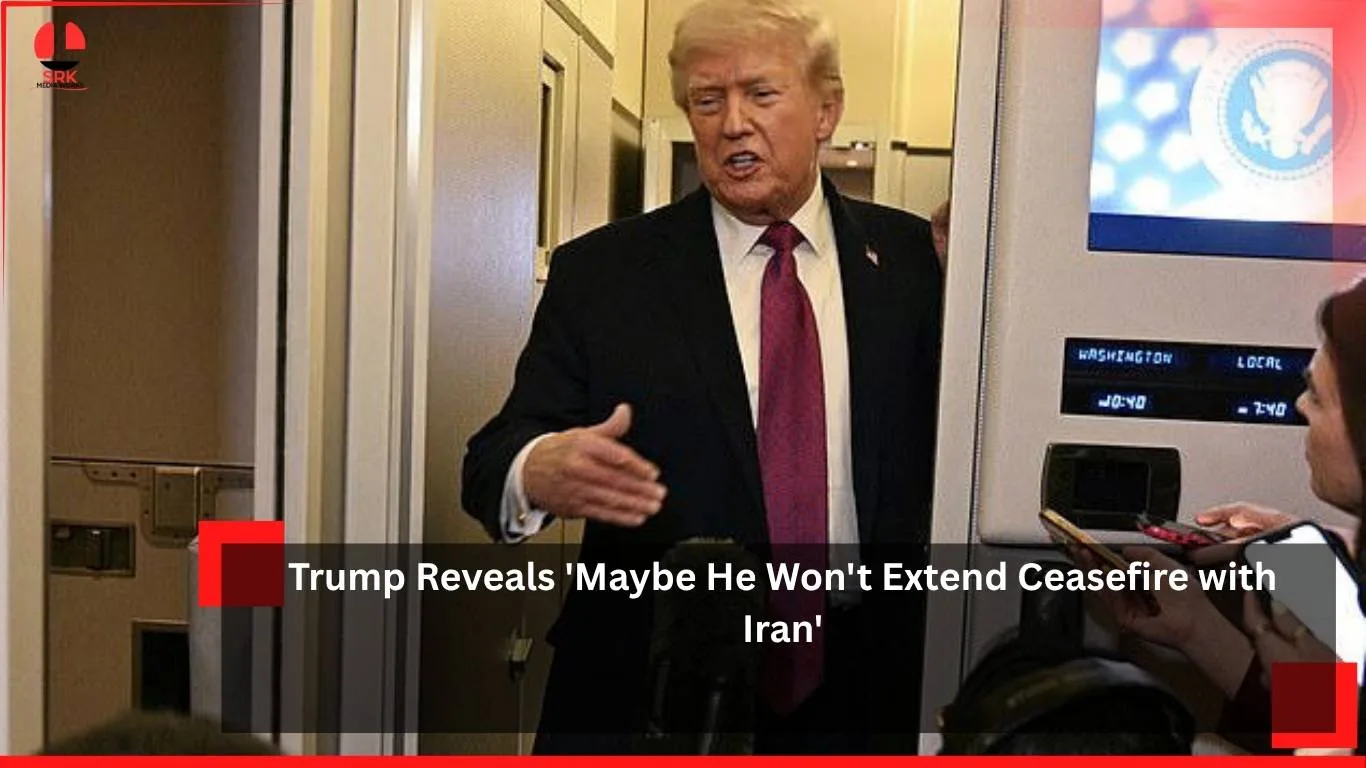





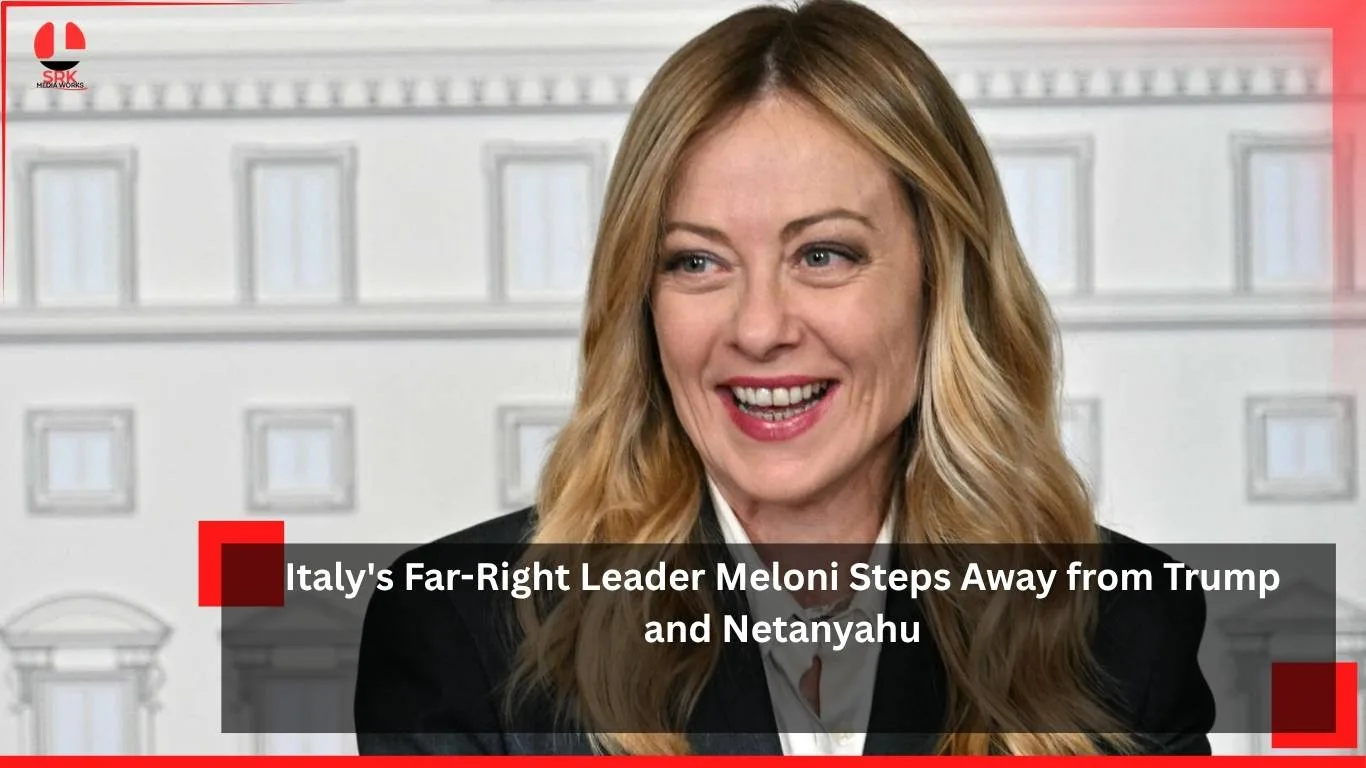
Italian Prime Minister Giorgia Meloni, widely recognized as the leader of Italy’s far-right political movement, has signaled a shift in her international alliances by stepping away from former US President Donald Trump and Israeli Prime Minister Benjamin Netanyahu. This move has sparked debate across Europe and beyond, as Meloni recalibrates her political positioning in response to changing global dynamics and domestic priorities.
Meloni’s Strategic Shift
Meloni’s distancing from Trump and Netanyahu reflects her attempt to reposition Italy’s foreign policy. Analysts suggest that she is seeking to balance nationalist rhetoric with pragmatic diplomacy, aiming to strengthen Italy’s role within the European Union while avoiding overdependence on controversial international figures.
- Trump Factor: Meloni has previously admired Trump’s populist style, but growing divisions in US politics have made alignment less appealing.
- Netanyahu Factor: While supportive of Israel, Meloni is cautious about being tied too closely to Netanyahu’s policies amid regional tensions.
- European Focus: She is increasingly emphasizing Italy’s role in EU decision-making and continental stability.
Key Highlights of Meloni’s Shift
| Leader | Previous Alignment | Current Position |
|---|---|---|
| Donald Trump | Admiration for populist style | Distancing due to US political divisions |
| Benjamin Netanyahu | Support for Israel | More cautious, balancing EU priorities |
| EU Leadership | Skeptical of Brussels | Now seeking stronger EU role |
Domestic Political Context
Meloni’s decision is also influenced by Italy’s internal political landscape. As Prime Minister, she must balance her far-right base with broader national interests. Aligning too closely with Trump or Netanyahu risks alienating moderate voters and EU partners.
- Far-Right Base: Continues to support nationalist policies.
- Moderate Voters: Demand stability and pragmatic diplomacy.
- Opposition Parties: Criticize Meloni’s international positioning as inconsistent.
European Reactions
European leaders have cautiously welcomed Meloni’s shift, interpreting it as a sign of Italy’s willingness to engage more constructively within the EU. Some see it as an opportunity to strengthen unity, while others remain skeptical of her long-term intentions.
Comparative Analysis of EU Responses
| Country | Reaction | Likely Impact |
|---|---|---|
| France | Welcomes shift | Potential for stronger cooperation |
| Germany | Cautious optimism | May support EU reforms |
| Spain | Neutral | Focused on domestic priorities |
| Poland | Skeptical | Prefers stronger nationalist alignment |
Global Implications
Meloni’s repositioning has broader implications for Italy’s role in global politics. By stepping away from Trump and Netanyahu, she signals a desire to avoid polarizing alliances and instead pursue balanced diplomacy.
- US Relations: Italy remains a NATO ally but seeks independence from US domestic politics.
- Middle East Policy: Italy supports stability but avoids deep entanglement in Israeli politics.
- EU Integration: Stronger emphasis on Italy’s role in shaping EU policies.
Economic Considerations
Economic stability is a driving force behind Meloni’s shift. Italy’s reliance on EU funding and trade partnerships makes closer alignment with Brussels more practical than polarizing alliances.
Economic Factors Influencing Policy
| Factor | Impact |
|---|---|
| EU Funding | Essential for infrastructure and recovery projects |
| Trade Relations | Stronger within EU framework |
| Energy Security | Dependent on EU cooperation |
| Global Investment | Requires stable diplomatic positioning |
Historical Context
Meloni’s shift reflects a broader trend in European politics, where far-right leaders often balance nationalist rhetoric with pragmatic diplomacy once in power. Similar patterns have been observed in other countries, where leaders moderate their positions to maintain stability.
Timeline of Meloni’s International Positioning
| Year | Position | Alignment |
|---|---|---|
| 2019 | Rising far-right leader | Admiration for Trump |
| 2022 | Became Prime Minister | Support for Netanyahu |
| 2024 | EU tensions | Skeptical of Brussels |
| 2026 | Strategic shift | Distancing from Trump and Netanyahu |
Public Sentiment
Public opinion in Italy is divided. Supporters of Meloni’s far-right base are wary of her distancing from Trump and Netanyahu, while moderates welcome the shift as a sign of pragmatic leadership. Social media debates reflect this polarization.
- Supporters: Fear dilution of nationalist agenda.
- Moderates: Applaud pragmatic diplomacy.
- Critics: Accuse Meloni of inconsistency.
Strategic Outlook
Meloni’s repositioning is likely to shape Italy’s foreign policy in the coming years. By stepping away from Trump and Netanyahu, she opens the door to stronger EU engagement and balanced global diplomacy.
Key Factors to Watch
| Factor | Potential Outcome |
|---|---|
| EU Relations | Stronger integration and cooperation |
| US Politics | Continued caution in alignment |
| Middle East Stability | Balanced approach to Israel and regional conflicts |
| Domestic Politics | Impact on far-right support base |
Conclusion
Italy’s far-right leader Giorgia Meloni has taken a significant step by distancing herself from Donald Trump and Benjamin Netanyahu. This strategic shift reflects her attempt to balance nationalist rhetoric with pragmatic diplomacy, strengthen Italy’s role in the EU, and ensure economic stability. The move underscores the complexities of modern European politics, where leaders must navigate domestic pressures and global challenges simultaneously.
Disclaimer
This article is a comprehensive analytical report based on publicly available information and political developments. It is intended for informational purposes only and does not constitute political endorsement or advice. Readers are encouraged to verify facts independently and consider multiple perspectives before forming conclusions.