

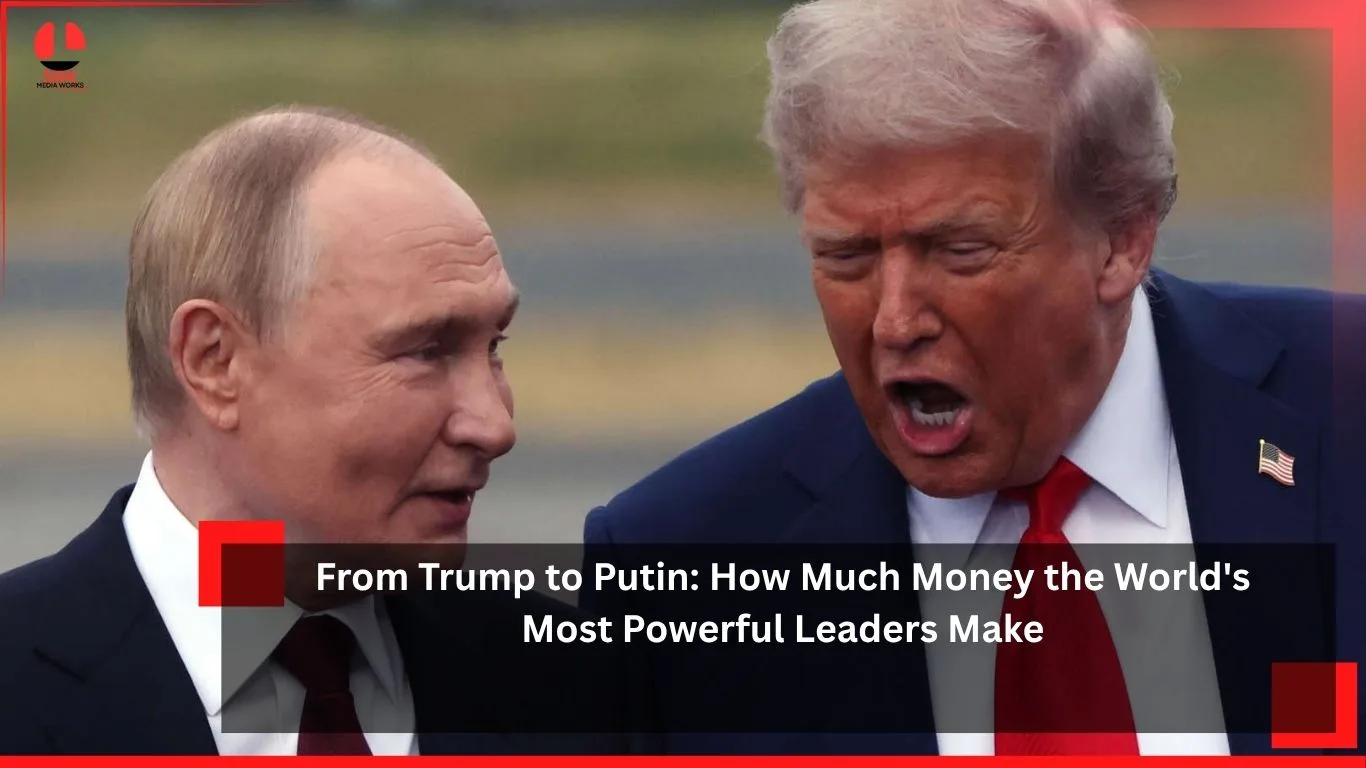
The salaries of world leaders vary widely, reflecting differences in governance, transparency, and political culture. While some democracies openly publish the earnings of their heads of state, others maintain symbolic figures that mask extensive perks and privileges. Comparing leaders like Donald Trump, Vladimir Putin, Xi Jinping, Emmanuel Macron, Olaf Scholz, Rishi Sunak, and Luiz Inácio Lula da Silva reveals striking contrasts in official pay and public accountability.
Official Salaries of Prominent Leaders (2026)
| Leader | Country | Annual Salary (USD) | Notes |
|---|---|---|---|
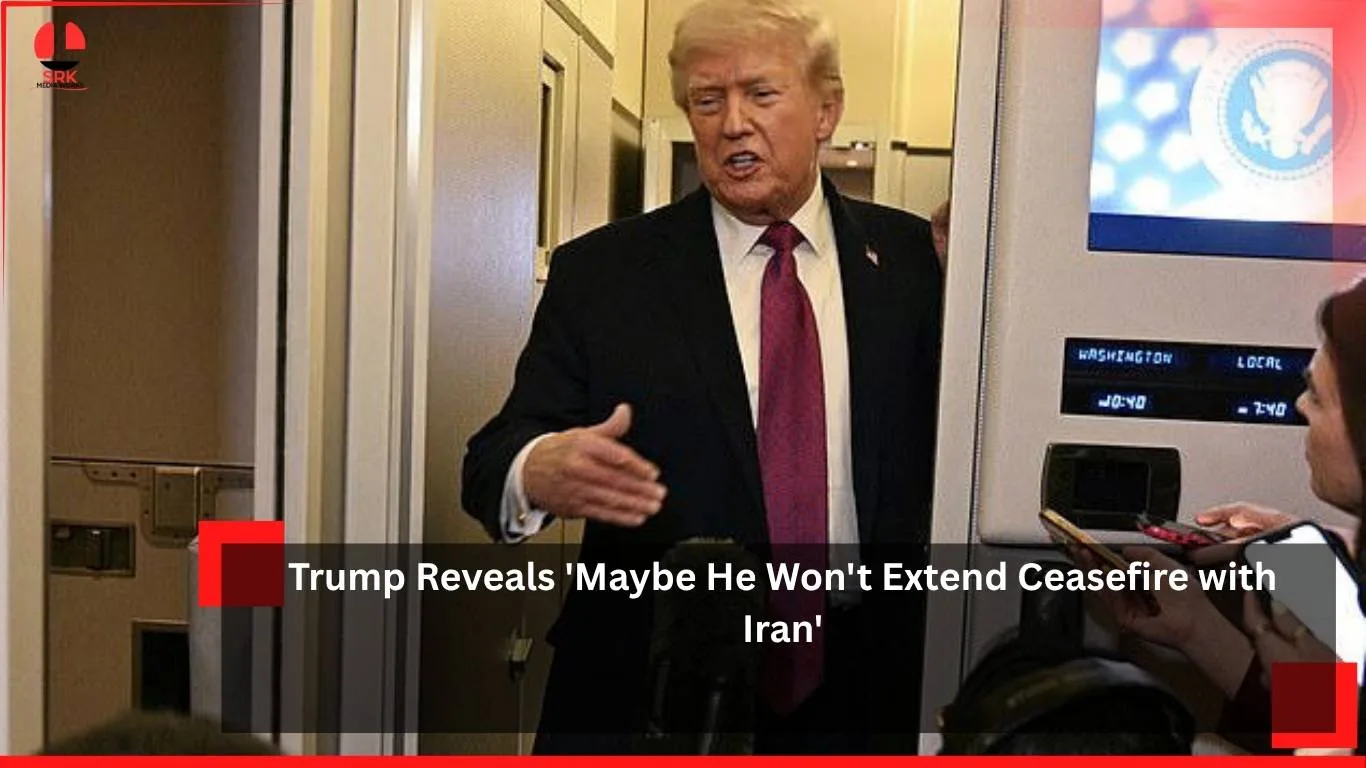
| Donald Trump | United States | $400,000 | Fixed by US law; includes $50,000 expense allowance. |
| Vladimir Putin | Russia | $136,000 | Official figure; speculation about hidden wealth persists. |
| Xi Jinping | China | $22,000 | Symbolically low; extensive perks and privileges. |
| Emmanuel Macron | France | $220,000 | Transparent salary structure. |
| Olaf Scholz | Germany | $260,000 | Includes allowances as Chancellor. |
| Rishi Sunak | United Kingdom | $210,000 | Includes PM salary plus MP allowance. |
| Luiz Inácio Lula da Silva | Brazil | $120,000 | Salary debated amid economic contrasts. |
Regional Salary Comparison
| Region | Average Salary | Transparency | Public Debate |
|---|---|---|---|
| North America | $400,000 | High | Frequent scrutiny |
| Europe | $220,000–$260,000 | High | Public accountability |
| Asia | $22,000–$136,000 | Low | Limited transparency |
| Latin America | $120,000 | Moderate | Economic contrasts |
Key Observations
- Highest Salary: Donald Trump’s $400,000 remains one of the largest among democratic leaders.
- Lowest Salary: Xi Jinping’s $22,000 reflects China’s symbolic pay structure, though perks far exceed the official figure.
- European Leaders: Macron, Scholz, and Sunak earn between $200,000–$260,000 annually, reflecting balanced compensation compared to US figures.
- Putin’s Salary vs. Influence: Despite Russia’s global role, Putin’s official salary is modest, though analysts argue his real wealth is far greater.
Why Salaries Differ
- Legal Frameworks: Democracies like the US and France set salaries by law, ensuring transparency.
- Symbolic Pay: In China, Xi Jinping’s salary is kept low to project modesty, though perks are extensive.
- Economic Context: Brazil’s Lula earns far less than Western counterparts, reflecting regional economic realities.
- Hidden Wealth: In Russia, Putin’s official salary is modest, but speculation about hidden assets persists.
Public Debate and Perception
- Transparency in Democracies: Salaries are openly published, allowing public scrutiny.
- Opacity in Centralized Regimes: Official figures often mask real wealth and privileges.
- Symbolism vs. Reality: Leaders like Xi Jinping project modesty through low salaries but enjoy vast privileges.
Conclusion
The salaries of world leaders highlight the contrast between democratic transparency and centralized opacity. While Trump’s $400,000 salary is among the highest, Xi Jinping’s symbolic $22,000 underscores the difference between official figures and actual privileges. Putin’s modest official salary further illustrates how reported earnings may not reflect real wealth or influence. Ultimately, these figures reveal not just how much leaders earn, but how political systems choose to present power and accountability.
Disclaimer
This article is a comprehensive analytical report based on publicly available information and political data. It is intended for informational purposes only and does not constitute financial or political endorsement. Readers are encouraged to verify facts independently and consider multiple perspectives before forming conclusions.