

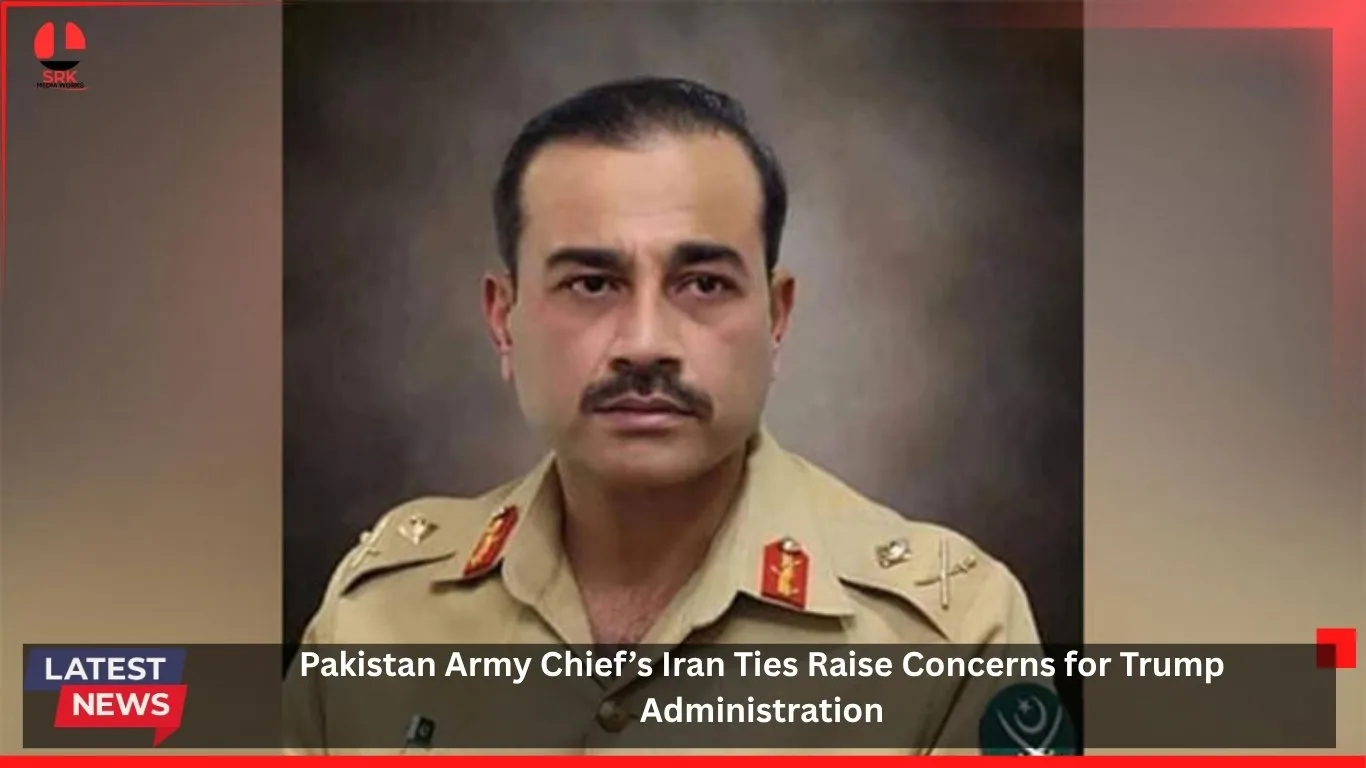
The Trump administration reportedly viewed Pakistan’s military leadership’s growing ties with Iran as a potential “red flag,” sparking debates in Washington about regional security, counterterrorism cooperation, and the future of U.S.-Pakistan relations. The issue gained prominence when reports surfaced highlighting Pakistan’s army chief’s engagements with Tehran, which some U.S. officials interpreted as a strategic shift with possible implications for American interests in South Asia and the Middle East.
Strategic Context
Pakistan’s military has historically maintained close ties with the United States, particularly in areas of defense cooperation and counterterrorism. However, the evolving geopolitical landscape, marked by Iran’s increasing influence in the region, has created new complexities. For Washington, any deepening of Pakistan-Iran relations could complicate U.S. strategies in Afghanistan, Iraq, and the broader Middle East.
U.S. Concerns
- Counterterrorism Coordination: The U.S. relies on Pakistan for intelligence sharing and logistical support in counterterrorism operations. Stronger Pakistan-Iran ties may dilute this cooperation.
- Regional Balance: Iran’s role in Syria, Iraq, and Yemen has already raised alarms in Washington. A partnership with Pakistan could extend Tehran’s reach into South Asia.
- Sanctions and Diplomacy: The Trump administration’s “maximum pressure” campaign against Iran included sanctions. Pakistan’s engagement with Tehran risked undermining these efforts.
Pakistan’s Perspective
From Islamabad’s viewpoint, engaging Iran is part of a broader regional strategy. Pakistan shares a border with Iran and has economic, cultural, and religious ties that necessitate dialogue. Moreover, Pakistan’s leadership has sought to balance relations with Saudi Arabia, Iran, China, and the U.S., aiming to avoid overdependence on any single partner.
Historical Background
- Cold War Era: Pakistan aligned closely with the U.S. against Soviet influence.
- Post-9/11: Pakistan became a key ally in the War on Terror, though relations were strained by accusations of harboring militants.
- Recent Years: Pakistan has diversified its foreign policy, engaging more actively with China through the China-Pakistan Economic Corridor (CPEC) and maintaining pragmatic ties with Iran.
Implications for U.S.-Pakistan Relations
The Trump administration’s skepticism toward Pakistan was already evident in its suspension of military aid in 2018. The Iran factor added another layer of mistrust. Analysts argued that Washington feared Pakistan could serve as a conduit for Iran to bypass sanctions or expand its regional influence.
Comparative Analysis of Regional Relations
| Country | Pakistan’s Engagement | U.S. Concerns |
|---|---|---|
| Iran | Border trade, military dialogue | Undermining sanctions, expanding Tehran’s influence |
| Saudi Arabia | Strategic ally, financial support | U.S. alignment with Riyadh remains strong |
| China | CPEC, defense cooperation | U.S. wary of Beijing’s growing footprint |
| United States | Counterterrorism, military aid | Trust deficit, concerns over dual alignments |
Security Dimensions
The Pentagon closely monitored Pakistan’s military diplomacy. Any intelligence-sharing with Iran could pose risks to U.S. operations. Furthermore, Washington worried about technology transfers or joint military exercises that might strengthen Iran’s defense capabilities.
Economic Considerations
Pakistan’s economy has faced challenges, including debt and reliance on external support. Trade with Iran, particularly in energy, offered Islamabad an opportunity to diversify. However, U.S. sanctions limited Pakistan’s ability to fully capitalize on this relationship.
Political Reactions
- In Washington: Some policymakers advocated stricter measures against Pakistan, while others urged engagement to prevent Islamabad from drifting further toward Tehran and Beijing.
- In Islamabad: Officials emphasized sovereignty and the need to pursue independent foreign policy choices.
- In Tehran: Iran welcomed Pakistan’s outreach, seeing it as a chance to break isolation.
Analytical Pivot
| Factor | Pakistan’s Motivation | U.S. Interpretation |
|---|---|---|
| Border Security | Prevent cross-border militancy | Possible intelligence sharing with Iran |
| Energy Cooperation | Access to Iranian oil and gas | Violation of sanctions regime |
| Diplomatic Balance | Neutral stance between Saudi Arabia and Iran | Lack of alignment with U.S. priorities |
| Military Engagement | Regional stability | Strategic red flag |
Future Outlook
The trajectory of Pakistan-Iran relations will depend on multiple factors:
- U.S. Policy Shifts: Future administrations may adopt different approaches toward both Pakistan and Iran.
- Regional Conflicts: Developments in Afghanistan, Syria, and Yemen will shape alliances.
- Economic Needs: Pakistan’s reliance on external support may push it toward whichever partner offers financial relief.
Conclusion
The Trump administration’s concerns over Pakistan’s army chief’s ties with Iran highlight the fragile nature of U.S.-Pakistan relations. While Islamabad seeks to balance its regional diplomacy, Washington remains wary of any move that could empower Tehran. The issue underscores the broader challenge of navigating alliances in a multipolar world where traditional partnerships are constantly tested.
Disclaimer
This article is based on publicly available reports and analytical perspectives. It does not represent official government positions. The content is intended for informational purposes only, highlighting geopolitical dynamics and their implications. Readers are encouraged to consult multiple sources for a comprehensive understanding of the subject matter.