



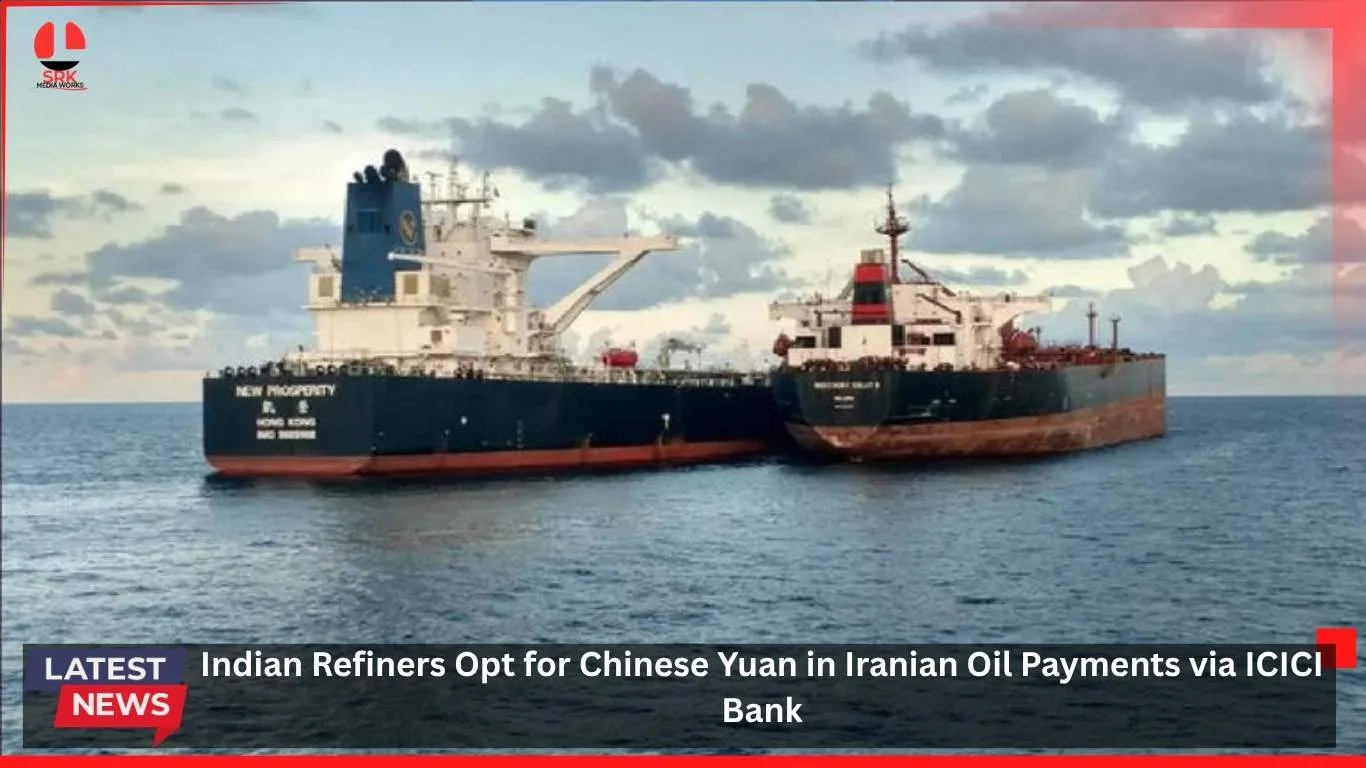
Indian refiners have reportedly turned to the Chinese yuan for settling payments on Iranian oil imports, utilizing ICICI Bank as a channel to facilitate transactions. This development marks a significant shift in global energy trade practices, reflecting both geopolitical pressures and evolving financial strategies. The move underscores India’s attempt to maintain energy security while navigating U.S. sanctions on Iran and balancing its international relations.
Background of the Shift
India has long been one of the largest importers of Iranian crude oil. However, U.S. sanctions on Tehran have complicated traditional payment mechanisms, forcing Indian refiners to explore alternative routes. The adoption of the yuan, facilitated through ICICI Bank, represents a pragmatic solution to continue oil imports without directly violating sanctions.
Why Yuan?
- Sanctions Pressure: Dollar-based transactions are heavily monitored, making them vulnerable to sanctions enforcement.
- China’s Role: As Iran’s major trading partner, China already uses yuan for oil payments, making it a natural alternative.
- Financial Flexibility: Yuan settlements provide Indian refiners with a way to diversify payment options and reduce reliance on the U.S. dollar.
ICICI Bank’s Role
ICICI Bank has emerged as a key facilitator in this arrangement. By enabling yuan-based transactions, the bank provides Indian refiners with a secure and compliant mechanism to continue oil imports. This role highlights the increasing importance of Indian financial institutions in global energy trade.
Impact on Global Energy Trade
The decision by Indian refiners to use yuan could have ripple effects across the global energy market:
- Dollar Dominance Challenged: The U.S. dollar has traditionally been the currency of choice for oil trade. Yuan settlements weaken this dominance.
- Iran’s Economic Lifeline: Yuan payments provide Iran with a crucial channel to sustain its oil exports despite sanctions.
- India’s Energy Security: By diversifying payment methods, India ensures continued access to affordable crude oil.
Comparative Analysis of Payment Mechanisms
| Payment Method | Advantages | Challenges |
|---|---|---|
| U.S. Dollar | Global acceptance, stability | Vulnerable to sanctions, monitoring |
| Euro | Widely used in Europe | Limited acceptance in Asia, sanctions risk |
| Yuan | Supported by China, sanctions workaround | Currency volatility, limited global reach |
| Rupee | Domestic convenience | Limited international acceptance |
Strategic Implications
- For India: Ensures uninterrupted oil supply, strengthens ties with both Iran and China, and reduces vulnerability to sanctions.
- For Iran: Provides a financial lifeline, enabling continued exports despite isolation.
- For the U.S.: Raises concerns about weakening sanctions enforcement and diminishing dollar dominance.
Analytical Pivot
| Factor | India’s Motivation | Global Impact |
|---|---|---|
| Energy Security | Maintain oil imports | Stability in domestic energy supply |
| Sanctions Avoidance | Circumvent restrictions | Weakens U.S. leverage |
| Financial Diversification | Reduce dollar reliance | Encourages multipolar currency use |
| Strategic Balance | Manage ties with Iran, China, U.S. | Shifts geopolitical dynamics |
Reactions
- Indian Refiners: Welcomed the move as a practical solution to ensure uninterrupted imports.
- Washington: Expressed concerns that yuan settlements undermine sanctions.
- Tehran: Viewed the development as a positive step toward sustaining its oil trade.
- Beijing: Likely to support the yuan’s growing role in global trade.
Economic Considerations
India’s reliance on imported oil makes payment flexibility essential. Yuan settlements may also open avenues for broader trade with China, further integrating India into Asia’s financial ecosystem. However, currency volatility and limited global acceptance of the yuan remain challenges.
Future Outlook
The adoption of yuan for Iranian oil payments could signal a broader trend in global trade:
- Multipolar Currency System: More countries may adopt alternative currencies to reduce dependence on the dollar.
- Strengthened Asian Financial Networks: China’s push for yuan internationalization gains momentum.
- Policy Adjustments: The U.S. may need to recalibrate its sanctions strategy to address non-dollar transactions.
Conclusion
Indian refiners’ decision to use the Chinese yuan for Iranian oil payments via ICICI Bank reflects a pragmatic response to geopolitical and economic challenges. It highlights the shifting dynamics of global energy trade, where traditional dollar dominance is increasingly contested. For India, the move ensures energy security while balancing complex international relations. For Iran, it provides a crucial economic lifeline. For the U.S., it raises questions about the future of sanctions enforcement and the dollar’s role in global trade.
Disclaimer
This article is based on publicly available reports and analytical perspectives. It does not represent official government positions. The content is intended for informational purposes only, highlighting geopolitical and financial dynamics. Readers are encouraged to consult multiple sources for a comprehensive understanding of the subject matter.