







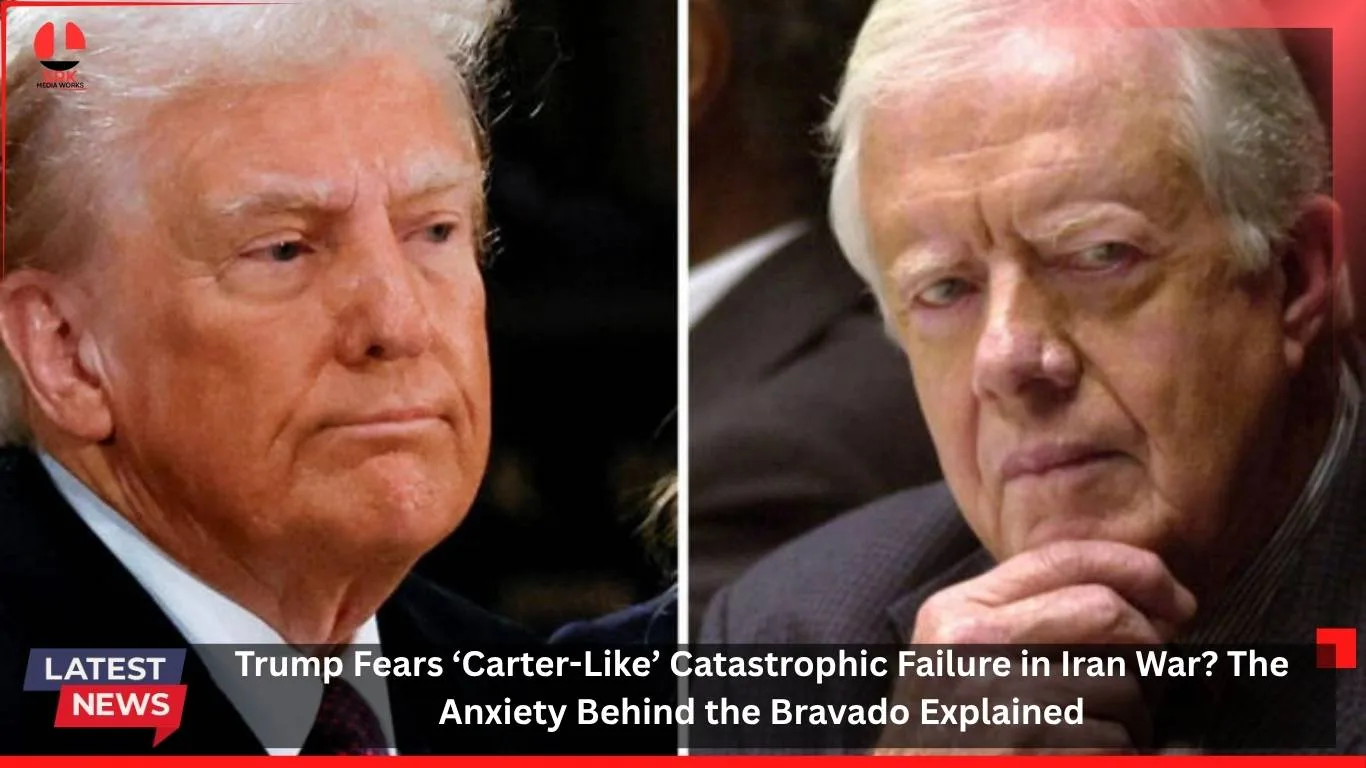
Donald Trump’s rhetoric on Iran has often been marked by bravado, but behind the strong words lies a deep anxiety about the potential consequences of a military conflict. Reports suggest that Trump fears a “Carter-like” catastrophic failure if the U.S. were to engage in a full-scale war with Iran, drawing parallels to the political fallout faced by former President Jimmy Carter during the Iran hostage crisis. This concern highlights the fragile balance between projecting strength and avoiding a geopolitical disaster that could undermine his leadership.
The Carter Parallel
Jimmy Carter’s presidency was overshadowed by the 1979 Iran hostage crisis, which severely damaged his political standing and contributed to his electoral defeat. Trump’s fear of a similar outcome reflects the risks of entanglement in Iran, where military escalation could spiral into a prolonged crisis.
- Historical Precedent: Carter’s failure to resolve the hostage crisis is seen as a cautionary tale.
- Political Fallout: Trump worries that a misstep in Iran could erode his political capital.
- Strategic Messaging: The comparison underscores the stakes of U.S. policy in West Asia.
Iran War Concerns
Trump’s anxiety stems from the complexity of confronting Iran, a nation with significant military capabilities and regional influence. A war could destabilize the Middle East, disrupt global oil markets, and provoke widespread backlash.
| Factor | Risk for Trump | Risk for US |
|---|---|---|
| Military Escalation | Potential failure | Heavy casualties, prolonged conflict |
| Economic Impact | Rising oil prices | Global market instability |
| Political Fallout | Loss of credibility | Domestic divisions |
| Regional Stability | Damaged alliances | Increased extremism |
Analytical Pivot
| Dimension | Trump’s Perspective | Broader Implications |
|---|---|---|
| Military Action | Risk of catastrophic failure | Regional destabilization |
| Political Legacy | Fear of Carter-like downfall | Impact on U.S. credibility |
| Economic Concerns | Rising costs of war | Global recession risks |
| Diplomatic Strategy | Preference for pressure tactics | Limited room for negotiation |
Strategic Implications
- For Trump: The fear of failure shapes his cautious approach, balancing threats with restraint.
- For Iran: The rhetoric signals U.S. pressure but also reveals vulnerabilities.
- For Allies: Gulf nations and Israel remain wary of escalation.
- For Global Markets: Oil prices and trade routes remain vulnerable to disruption.
Reactions
- Trump’s Supporters: Emphasize his tough stance as necessary to deter Iran.
- Critics: Argue that bravado masks insecurity and fear of failure.
- Analysts: Note that Trump’s rhetoric reflects both political calculation and genuine concern.
- Global Observers: Warn that miscalculation could trigger a crisis with global consequences.
Broader Context
The U.S.-Iran relationship has been fraught with tension, from sanctions to military confrontations. Trump’s fear of a Carter-like failure highlights the enduring legacy of the Iran hostage crisis and the risks of repeating history. The geopolitical environment today is even more complex, with drone warfare, proxy conflicts, and shifting alliances.
Challenges Ahead
- Diplomatic Deadlock: Limited channels for negotiation increase risks of escalation.
- Military Risks: Iran’s capabilities could inflict significant damage.
- Economic Strain: War could destabilize global markets.
- Political Fallout: Trump’s leadership could be undermined by prolonged conflict.
Future Outlook
Trump’s fear of catastrophic failure in Iran may push him toward cautious strategies, relying on sanctions and pressure rather than direct military engagement. However, the risk of miscalculation remains high. The outcome will depend on whether diplomacy can prevail over confrontation.
Conclusion
Donald Trump’s anxiety about a “Carter-like” catastrophic failure in a potential Iran war reveals the tension between bravado and caution in U.S. foreign policy. While his rhetoric projects strength, the underlying fear reflects the high stakes of engaging Iran militarily. The comparison to Carter underscores the risks of political downfall, economic disruption, and regional instability. As tensions continue, the world watches closely to see whether Trump can avoid repeating history.
Disclaimer
This article is based on publicly available reports and political analysis. It does not represent official government positions. The content is intended for informational purposes only, highlighting geopolitical developments and their implications. Readers are encouraged to consult multiple sources for a comprehensive understanding of the subject matter.