








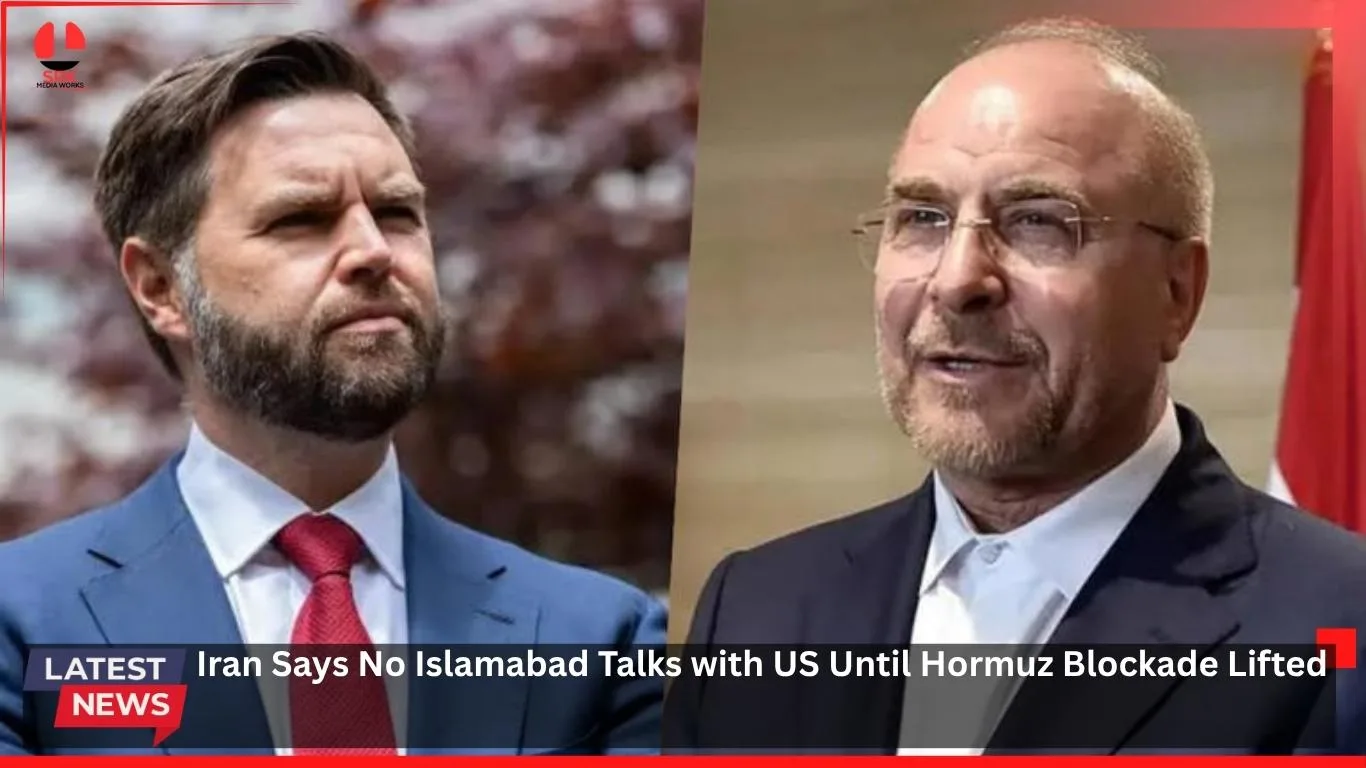
Iran has declared that it will not engage in any talks with the United States in Islamabad until the blockade of the Strait of Hormuz is lifted. The statement, delivered by senior Iranian officials, underscores Tehran’s firm stance on regional security and its demand for the removal of restrictions that have disrupted one of the world’s most critical maritime trade routes. The announcement comes amid heightened tensions in West Asia, where the Strait of Hormuz remains a flashpoint for global energy security and geopolitical rivalry.
Iran’s Position
Iranian leaders emphasized that dialogue with Washington cannot proceed under conditions where the Strait of Hormuz, a vital artery for global oil shipments, remains blocked. They argued that the blockade undermines Iran’s sovereignty and disrupts regional stability.
- Conditional Diplomacy: Talks in Islamabad are contingent on lifting the blockade.
- Economic Impact: Iran views the blockade as a direct attack on its economy and trade.
- Strategic Messaging: The statement signals Iran’s unwillingness to compromise on sovereignty.
Importance of the Strait of Hormuz
The Strait of Hormuz is one of the most strategically significant waterways in the world. Nearly 20% of global oil passes through this narrow channel, making it a critical chokepoint for international trade.
| Factor | Significance |
|---|---|
| Global Oil Transit | Around 20% of global oil supply passes through |
| Regional Security | Flashpoint for Iran-US tensions |
| Economic Impact | Disruption affects global energy markets |
| Geopolitical Value | Strategic leverage for Iran |
Analytical Pivot
| Dimension | Iran’s Perspective | US Perspective |
|---|---|---|
| Blockade Issue | Violation of sovereignty | Necessary for security |
| Diplomatic Talks | Conditional on lifting blockade | Pressure tactic to force negotiations |
| Economic Impact | Severe disruption to trade | Tool to weaken Iran’s economy |
| Regional Stability | Blockade escalates tensions | Seen as deterrence against Iran’s actions |
Strategic Implications
- For Iran: Reinforces its stance as a regional power unwilling to negotiate under pressure.
- For the US: Highlights the challenge of balancing sanctions and diplomacy.
- For Pakistan: As host of potential talks, Islamabad faces diplomatic complexities.
- For Global Markets: Continued blockade risks volatility in oil prices and supply chains.
Reactions
- Iranian Officials: Asserted that sovereignty and economic independence are non-negotiable.
- US Leaders: Maintained that restrictions are necessary to counter Iran’s regional activities.
- Pakistan: Positioned as a mediator but faces difficulty in facilitating dialogue.
- Global Analysts: Warned that prolonged blockade could destabilize global energy markets.
Broader Context
The blockade of the Strait of Hormuz is part of a larger geopolitical struggle involving sanctions, military presence, and regional alliances. Iran’s refusal to engage in talks until the blockade is lifted reflects its broader strategy of resistance against U.S. pressure. The situation also underscores the role of Pakistan as a potential mediator in regional diplomacy.
Challenges Ahead
- Diplomatic Deadlock: Talks remain stalled until conditions change.
- Economic Strain: Iran’s economy continues to suffer under restrictions.
- Regional Escalation: Risk of military confrontation remains high.
- Global Energy Security: Oil markets remain vulnerable to disruption.
Future Outlook
The future of Iran-US talks in Islamabad hinges on the status of the Strait of Hormuz. If the blockade persists, diplomatic engagement is unlikely. However, if restrictions are eased, it could open the door to negotiations that may reduce tensions in West Asia. The outcome will depend on the willingness of both sides to compromise and the role of mediators like Pakistan.
Conclusion
Iran’s declaration that no talks with the US will occur in Islamabad until the Hormuz blockade is lifted highlights the deep-rooted tensions shaping West Asia. The Strait of Hormuz remains a critical chokepoint, and its blockade has far-reaching implications for global energy security and regional diplomacy. As the standoff continues, the world watches closely for signs of resolution or escalation.
Disclaimer
This article is based on publicly available reports and political statements. It does not represent official government positions. The content is intended for informational purposes only, highlighting geopolitical developments and their implications. Readers are encouraged to consult multiple sources for a comprehensive understanding of the subject matter.