




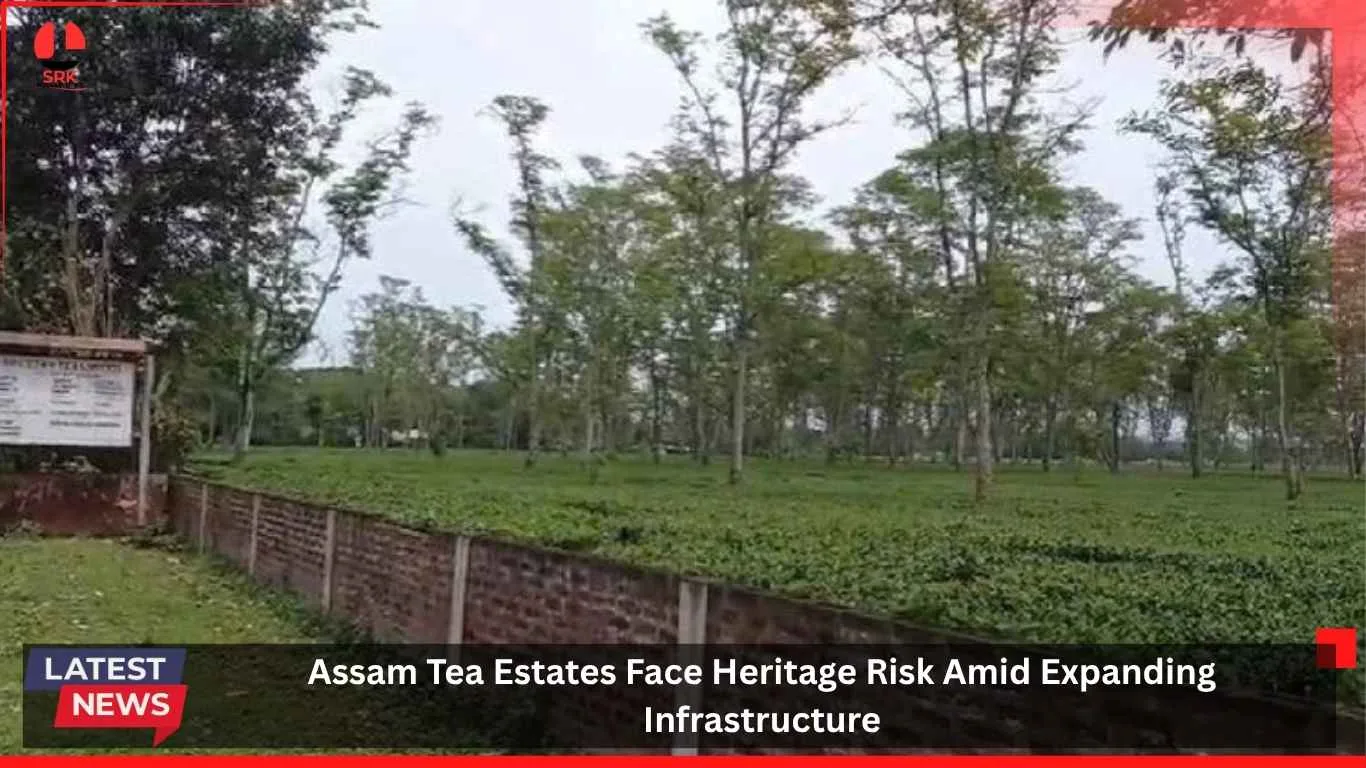
The iconic tea estates of Assam, known worldwide for their rich flavor and cultural heritage, are facing increasing risks as expanding infrastructure projects encroach upon traditional plantation lands. Roads, highways, industrial corridors, and urban expansion are reshaping the landscape, raising concerns about the preservation of Assam’s tea heritage and the livelihoods of thousands who depend on it.
Key Highlights
- Heritage Risk: Expanding infrastructure threatens Assam’s historic tea estates.
- Economic Importance: Assam tea contributes significantly to India’s export earnings.
- Cultural Value: Tea estates are part of Assam’s identity and tourism appeal.
- Challenges: Land acquisition, environmental degradation, and reduced cultivation areas.
- Future Outlook: Balancing development with heritage preservation remains critical.
Why Assam Tea Estates Matter
Assam is the world’s largest tea-growing region, producing nearly half of India’s total tea output. The estates are not just economic hubs but also cultural landmarks.
- Global Recognition: Assam tea is prized for its strong flavor and briskness.
- Employment: Tea estates employ over a million workers, many from tribal and marginalized communities.
- Tourism: Heritage estates attract visitors, boosting local economies.
- Cultural Identity: Tea cultivation is deeply woven into Assam’s social fabric.
Snapshot of Assam Tea Industry
| Category | Details |
|---|---|
| Global Share | ~50% of India’s tea output |
| Employment | Over 1 million workers |
| Export Contribution | Significant share of India’s tea exports |
| Heritage Value | Cultural and tourism importance |
| Current Challenge | Infrastructure expansion |
Expanding Infrastructure and Its Impact
Infrastructure projects in Assam—highways, industrial corridors, and urban expansion—are increasingly overlapping with tea-growing areas.
- Land Acquisition: Estates losing land to road and industrial projects.
- Environmental Concerns: Deforestation and soil erosion affecting tea cultivation.
- Reduced Cultivation: Shrinking plantation areas threaten production levels.
- Worker Displacement: Communities dependent on tea face uncertainty.
Comparative Impact Overview
| Factor | Impact on Tea Estates |
|---|---|
| Road Expansion | Loss of estate land |
| Industrial Corridors | Encroachment on plantations |
| Urban Growth | Rising land prices, estate fragmentation |
| Environmental Damage | Soil erosion, reduced productivity |
Heritage Concerns
Tea estates are more than economic units—they are heritage sites. Many estates date back to the colonial era and retain architectural and cultural significance.
- Colonial Legacy: Estates established in the 19th century.
- Cultural Tourism: Visitors drawn to heritage bungalows and plantations.
- Risk of Loss: Infrastructure projects threaten to erase historical identity.
Public Sentiment
Reactions to the issue are mixed:
- Supporters of Development: Argue infrastructure is vital for Assam’s growth.
- Heritage Advocates: Warn against losing cultural landmarks.
- Workers: Fear displacement and loss of livelihoods.
- Neutral Observers: Call for balanced policies that protect both heritage and development.
Balancing Development and Preservation
Experts suggest strategies to balance infrastructure growth with heritage preservation:
- Zoning Laws: Protect tea estates from encroachment.
- Heritage Status: Grant official recognition to historic estates.
- Sustainable Development: Integrate eco-friendly infrastructure planning.
- Community Involvement: Engage workers and local communities in decision-making.
Policy Recommendations
| Strategy | Benefit |
|---|---|
| Heritage Recognition | Protects cultural identity |
| Zoning Regulations | Prevents estate fragmentation |
| Eco-Friendly Planning | Reduces environmental damage |
| Worker Safeguards | Ensures livelihood protection |
Conclusion
The tea estates of Assam stand at a crossroads, facing heritage risks amid expanding infrastructure. While development is essential for Assam’s future, preserving the cultural and economic legacy of tea estates is equally critical.
Disclaimer
This article is a socio-economic news analysis created for informational purposes only. It reflects reported developments and interpretations of challenges facing Assam’s tea estates. Official policy decisions, land acquisition outcomes, and heritage preservation measures are subject to confirmation by government authorities and relevant institutions.