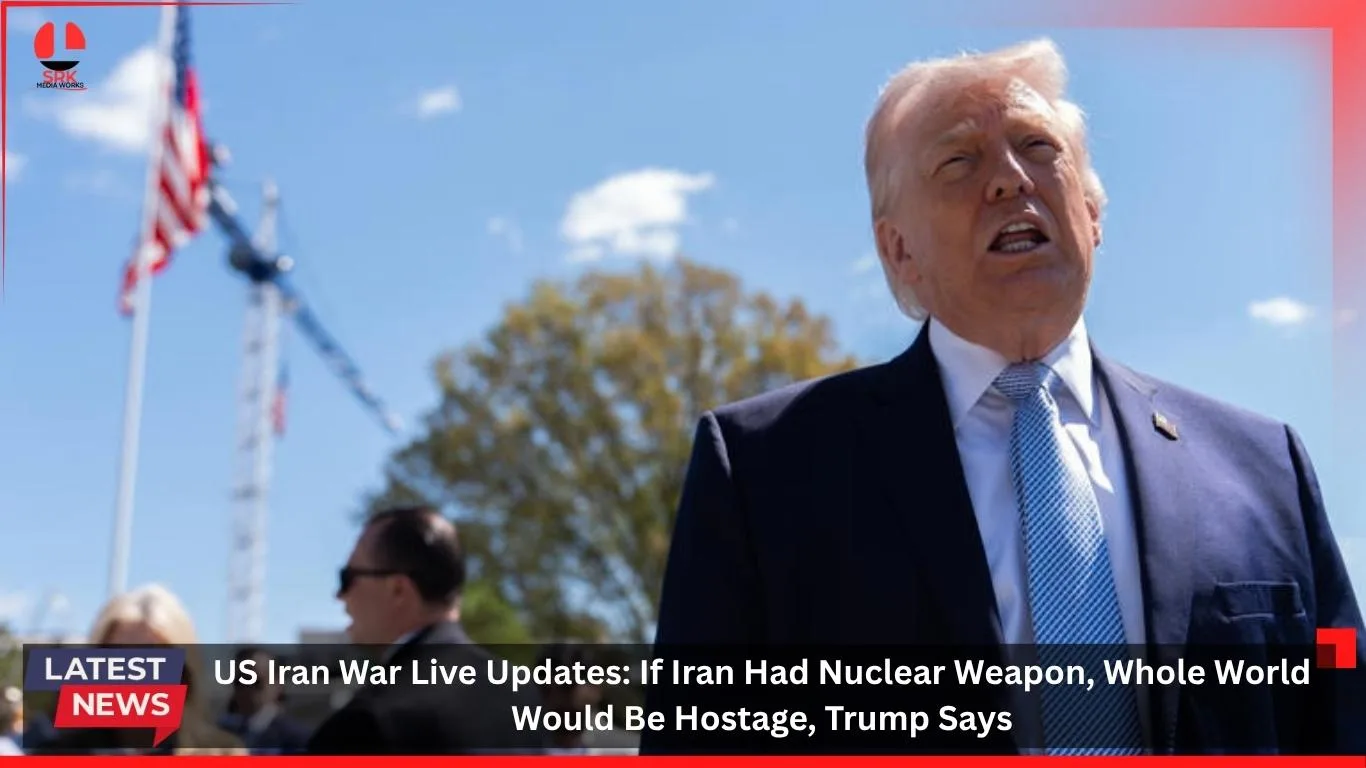




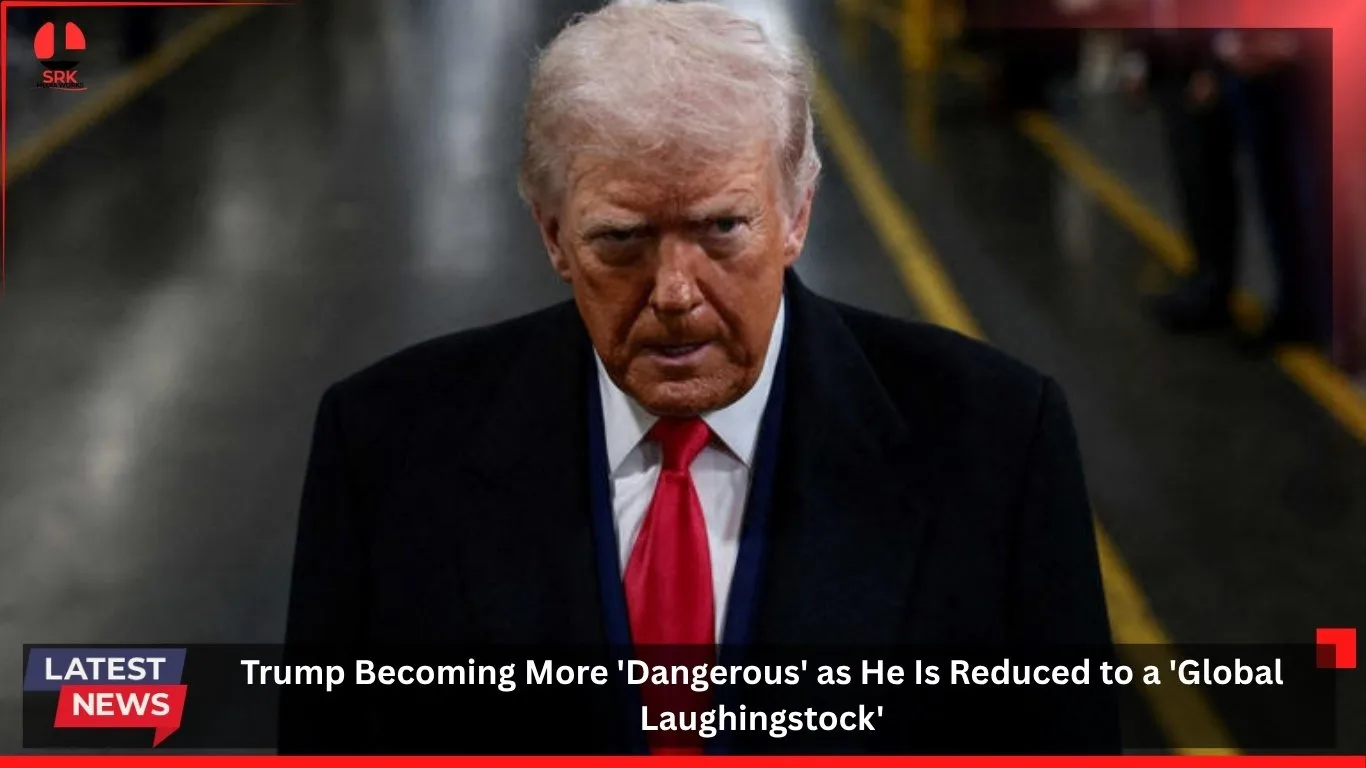
Former U.S. President Donald Trump has once again become the subject of intense global debate, with reports and analysts suggesting that his diminishing credibility on the international stage is making him more “dangerous.” Critics argue that Trump’s repeated controversies, inflammatory rhetoric, and strained relationships with global leaders have transformed him into a figure of ridicule abroad, while simultaneously increasing the risks of unpredictable actions at home.
The Global Perception of Trump
International observers have increasingly described Trump as a “global laughingstock,” pointing to his frequent missteps in diplomacy, controversial statements, and confrontations with allies. From NATO summits to G7 meetings, Trump’s approach to foreign policy has often been criticized as erratic and self-serving.
This perception has weakened America’s traditional leadership role in global affairs, with many allies questioning Washington’s reliability under Trump’s influence. Analysts warn that such ridicule does not diminish Trump’s power but instead fuels his desire to prove critics wrong, potentially leading to reckless decisions.
Why Critics Say He Is Becoming More Dangerous
- Unpredictable Foreign Policy Moves
- Trump’s history of sudden policy shifts, such as withdrawing from international agreements, has created uncertainty.
- His critics fear that ridicule from global leaders could push him toward more aggressive stances, particularly in regions like the Middle East or Asia.
- Domestic Polarization
- Trump’s rhetoric continues to deepen divisions within the United States.
- Analysts argue that his attempts to maintain relevance could lead to more extreme positions, further destabilizing domestic politics.
- Influence on Supporters
- Despite global criticism, Trump retains a loyal base.
- His supporters often view international ridicule as proof of his authenticity, reinforcing his influence and emboldening his actions.
International Reactions
World leaders have expressed concern over Trump’s behavior, with some openly mocking his statements. European officials have described his approach as “undermining alliances,” while Asian leaders have voiced unease about his unpredictability.
This ridicule, however, carries risks. Analysts caution that Trump may respond to mockery with escalatory actions, seeking to reassert his authority on the global stage.
Domestic Implications
Within the United States, Trump’s critics argue that his reduced credibility abroad is mirrored by growing instability at home. His confrontations with institutions, media, and political opponents have created an environment of constant tension.
Supporters, however, continue to defend him, claiming that global ridicule is evidence of his refusal to conform to traditional politics. This dynamic makes Trump’s influence both resilient and potentially more volatile.
The Bigger Picture
The narrative of Trump as a “global laughingstock” is not merely about reputation—it is about the risks associated with a leader who thrives on defiance. Analysts warn that ridicule can push Trump toward more dangerous decisions, both in foreign policy and domestic governance.
As the world watches, the question remains whether Trump’s actions will be guided by restraint or by a desire to reclaim credibility through confrontation.
Conclusion
Donald Trump’s transformation into a figure of ridicule on the global stage has not diminished his influence but has instead raised concerns about his unpredictability. Critics argue that this combination of diminished credibility and persistent power makes him more dangerous, both for U.S. democracy and international stability.
The situation underscores the delicate balance between perception and power, reminding the world that ridicule does not necessarily weaken a leader—it can sometimes make them more volatile.
Disclaimer
This article is a comprehensive news analysis based on publicly available reports, political commentary, and international reactions. It is intended for informational and journalistic purposes only. The content does not represent personal opinions or endorsements. Readers are encouraged to verify details independently before forming conclusions.