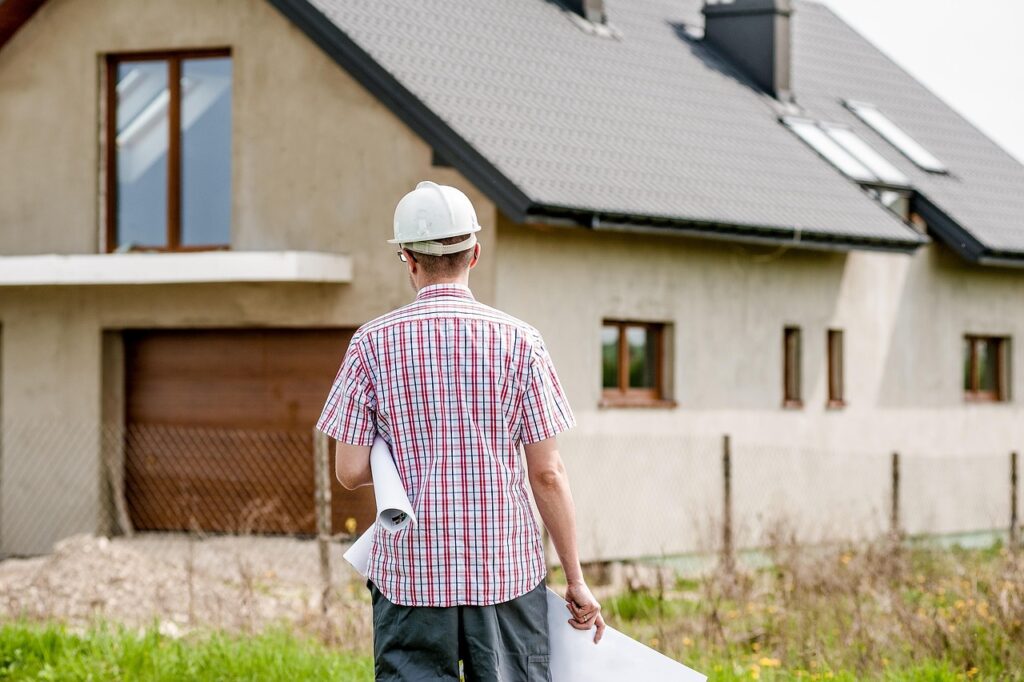

Homeowners across the nation are grappling with unprecedented financial pressures as the cost of homeownership continues its upward trajectory, prompting a widespread search for savvy strategies to manage essential repairs and renovations. As property values reach historic highs, the financial burden extends well beyond the initial purchase, with ongoing maintenance and project costs demanding significant attention from current and prospective owners in 2024. Industry observers, including financial expert Kelly O’Grady, are now highlighting critical money-saving tips to help individuals navigate these rising expenses, ensuring homes remain well-maintained without breaking the bank.
The Escalating Cost of Homeownership
The current housing market presents a complex challenge, characterized by elevated purchase prices and persistent inflation. These factors significantly impact the overall expense of owning a property. While the initial investment is substantial, the subsequent costs of upkeep and improvement often surprise new homeowners.
Building material costs have seen dramatic increases over the past year. Data from the National Association of Home Builders indicates that lumber, steel, and concrete prices have surged by an average of 18% over the past 12 months, significantly impacting renovation budgets. Labor shortages in skilled trades further exacerbate these costs, driving up contractor fees.
According to a recent analysis by ‘Home Equity Insights Research,’ homeowners typically allocate between 1% and 3% of their home’s purchase price annually for maintenance and repairs. This figure can quickly escalate with major projects like roof replacements, HVAC upgrades, or kitchen remodels.
Strategic Planning and Budgeting
Effective financial planning forms the bedrock of any successful and cost-efficient home project. A detailed budget and a clear scope of work are essential before any demolition or purchase begins.
Financial advisor Kelly O’Grady stresses the importance of a detailed project plan, advising homeowners to account for potential contingencies. Setting aside an additional 10-15% of the estimated budget for unforeseen issues can prevent costly delays and financial strain.
Prioritizing projects based on necessity and impact is another crucial step. Addressing critical repairs that prevent further damage, such as a leaky roof or faulty plumbing, should always take precedence over cosmetic upgrades.
DIY vs. Professional Expertise
Deciding whether to tackle a project oneself or hire a professional can significantly impact costs. Many minor repairs and aesthetic enhancements are well within the capabilities of a motivated homeowner.
Tasks like painting, minor landscaping, installing shelving, or simple fixture replacements can save hundreds, if not thousands, in labor costs. Online tutorials and community workshops offer valuable resources for skill development.
However, projects involving electrical work, plumbing, structural changes, or HVAC systems often require licensed professionals. Attempting complex tasks without the proper expertise can lead to safety hazards, costly mistakes, and even invalidate home insurance.
Smart Material Sourcing and Procurement
The cost of materials represents a substantial portion of any renovation budget. Savvy procurement strategies can yield significant savings without compromising quality.
Shopping around for deals, comparing prices from multiple suppliers, and utilizing sales events are effective tactics. Buying in bulk for larger projects can often unlock wholesale discounts.
Considering reclaimed or upcycled materials can also be a sustainable and cost-effective option. Architectural salvage yards, online marketplaces, and community groups often offer unique items at a fraction of the cost of new materials.
Embracing Energy Efficiency Upgrades
Projects that improve energy efficiency offer a dual benefit: immediate cost savings on the renovation and long-term reductions in utility bills. Investing in these areas can yield substantial returns over time.
Upgrading insulation, replacing old windows and doors with energy-efficient models, and installing smart thermostats are prime examples. These improvements not only save money but also enhance comfort and increase home value.
Many local governments and utility companies offer rebates or tax credits for energy-efficient home improvements, further reducing the financial burden of these essential upgrades.
The Power of Preventative Maintenance
A proactive approach to home maintenance can prevent minor issues from escalating into major, expensive repairs. Regular inspections and timely interventions are key to long-term savings.
Routine checks of HVAC systems, plumbing, roofing, and foundations can identify potential problems early. Addressing a small leak before it causes extensive water damage, or servicing an AC unit before it breaks down completely, saves significant money.
Establishing a consistent maintenance schedule, whether monthly, quarterly, or annually, helps homeowners stay ahead of potential issues. This strategy minimizes emergency repairs, which are often the most costly.
Securing Multiple Contractor Bids
When professional help is necessary, obtaining at least three detailed bids from different contractors is paramount. This practice ensures competitive pricing and allows for a thorough comparison of services.
Ensure each bid includes a comprehensive breakdown of labor, materials, and a clear timeline. Checking references, reviewing past work, and verifying licenses and insurance are non-negotiable steps in selecting a reliable contractor.
A clear contract outlining all expectations, payment schedules, and dispute resolution mechanisms protects both the homeowner and the contractor, preventing misunderstandings and unexpected costs.
Implications for Homeowners and the Market
The current landscape demands a more strategic and financially astute approach to homeownership. Homeowners are increasingly becoming project managers, seeking out knowledge and resources to make informed decisions.
This trend will likely foster a greater appreciation for DIY skills and community-based knowledge sharing. The market may also see a rise in demand for smaller, phased renovations as homeowners spread costs over time.
For the broader housing market, this focus on cost-efficient maintenance could lead to an emphasis on home longevity and sustainable practices. Homebuyers may increasingly value properties that demonstrate a history of proactive maintenance and energy efficiency.
Looking ahead, watch for innovations in financing options tailored to home improvement, as well as an expansion of educational resources for homeowners. The ability to manage ongoing home expenses effectively will become a defining characteristic of successful homeownership in the coming years.