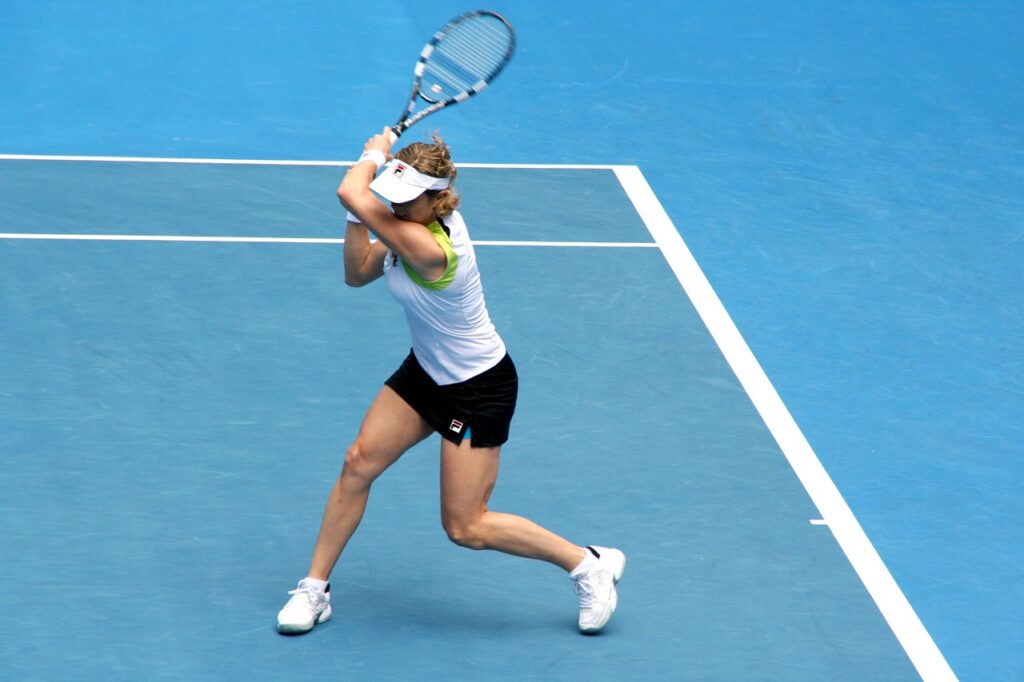

Coco Gauff secured a hard-fought victory against qualifier Sonay Kartal at the All England Club on Thursday, surviving a tense second-set tiebreak to keep her Wimbledon championship aspirations alive. The American star, currently ranked among the top contenders in the WTA, moved into the third round after a clinical display of composure under pressure in London.
The Historical Context of Gauff at Wimbledon
Wimbledon remains the only Grand Slam tournament where Gauff has yet to progress beyond the fourth round. Since her breakout performance at the venue as a 15-year-old qualifier in 2019, the tournament has served as a benchmark for her professional maturation.
Despite her success at the US Open and consistent deep runs in Paris and Melbourne, the grass courts of SW19 have presented a unique set of challenges. Gauff’s inability to penetrate the second week consistently has been a lingering narrative in her otherwise meteoric career trajectory.
Tactical Analysis of the Match
The match against Kartal tested Gauff’s defensive resilience and her ability to neutralize an opponent playing with the freedom of a qualifier. While Gauff maintained a high first-serve percentage, the baseline rallies were characterized by long, grueling exchanges that tested her physical endurance.
The pivotal moment arrived in the second-set tiebreak, where Gauff’s experience in high-leverage situations proved decisive. By limiting unforced errors and forcing Kartal into difficult positions, Gauff managed to close out the contest without the need for a deciding third set.
Expert Perspectives on Surface Adaptation
Tennis analysts note that Gauff has significantly improved her backhand-to-forehand transition, a critical skill for success on grass. According to recent performance data, Gauff has increased her net-approach frequency by 15% compared to her 2023 grass-court season.
“Coco is learning that grass requires a different type of patience,” says sports analyst Marcus Thorne. “She is no longer just relying on her athleticism; she is playing with a strategic awareness that suggests she is ready to make a deep run here.”
Implications for the WTA Landscape
For the broader women’s circuit, Gauff’s progression signals a tightening of the competition at the top of the rankings. As she advances, her ability to maintain this level of focus will be tested against higher-seeded opponents who are better accustomed to the pace of the grass.
The industry is watching closely to see if Gauff can translate her hard-court dominance to the unique demands of the London grass. Should she succeed, it would solidify her status as a true multi-surface threat in the modern era.
Future Outlook and What to Watch
As the tournament progresses, the primary concern for Gauff’s camp will be recovery and tactical variation against players with stronger serves. Observers should monitor her service consistency in the upcoming third-round match, as any drop in performance could be exploited by more experienced grass-court specialists. Whether Gauff can break the fourth-round barrier remains the defining question of her 2024 Wimbledon campaign.