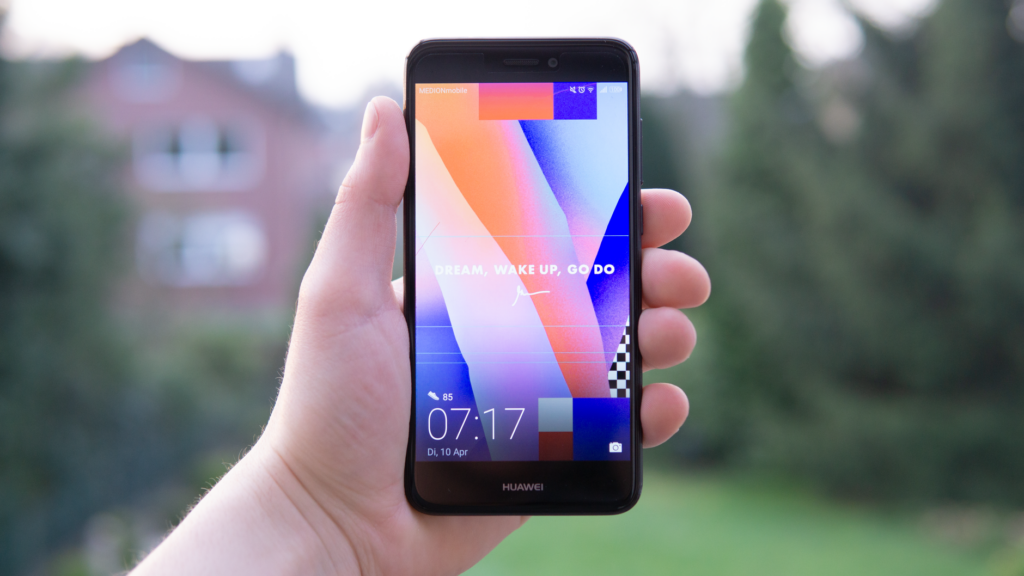

The smartphone industry continues to evolve as manufacturers test new form factors and display dimensions to capture consumer interest. In a notable industry move, major technology brand Huawei has introduced a new mobile device featuring an expanded, wider display format on a standard non-foldable chassis. This strategic release arrives just as speculation intensifies regarding Apple developing an ultra-premium device variant for its upcoming smartphone lineup.
Shifting Display Standards in Modern Smartphones
For years, traditional smartphones have adhered to tall, narrow aspect ratios designed to improve single-handed operation and pocketability. However, consumer habits have shifted significantly toward media consumption, mobile gaming, and intensive productivity tasks on the go. By integrating a wider display onto a conventional candy-bar device, manufacturers are challenging the traditional boundaries of smartphone ergonomics and visual workspace.
This design philosophy offers users a more expansive viewing area without the mechanical complexity and durability concerns often associated with foldable displays. While folding phones have captured headlines for their dual-screen capabilities, they frequently come with trade-offs in thickness, weight, and retail cost. A wide non-foldable design presents a practical alternative that delivers enhanced screen estate while maintaining a robust and straightforward hardware profile.
Timing Ahead of Competitor Announcements
The timing of this product introduction is particularly noteworthy within the global mobile market. Industry observers and analysts have closely monitored reports surrounding Apple and its potential plans to introduce a high-end ultra model. Such a device is expected to push the boundaries of premium smartphone engineering, potentially introducing new display technologies or ultra-slim profiles.
By releasing a wide-screen traditional device ahead of these anticipated competitor announcements, the hardware maker aims to establish a strong foothold in the premium segment. Consumers looking for advanced visual experiences outside of the foldable ecosystem now have fresh hardware choices that emphasize productivity and media immersion.
Technical Implications for the Mobile Market
Hardware modifications of this scale require corresponding adjustments in software optimization and user interface design. A wider aspect ratio alters how applications render content, how keyboards are laid out, and how multitasking features operate. Developers must adapt their software to ensure seamless experiences across these non-standard dimensions.
Furthermore, component suppliers are taking note of this trend. Display manufacturers may see increased demand for custom-sized panels that diverge from mainstream aspect ratios. If consumers respond positively to this expanded non-foldable format, other major players in the technology sector are likely to follow suit, leading to a broader diversification of smartphone dimensions in the near future.
Looking Ahead at Industry Trends
The ongoing competition in the high-end smartphone sector demonstrates that innovation extends far beyond internal processing power. Display dimensions, physical ergonomics, and form factor versatility remain crucial battlegrounds for capturing market share. As the industry anticipates further developments from rival ecosystems, the introduction of wider conventional screens highlights a continuous desire to redefine everyday mobile computing.