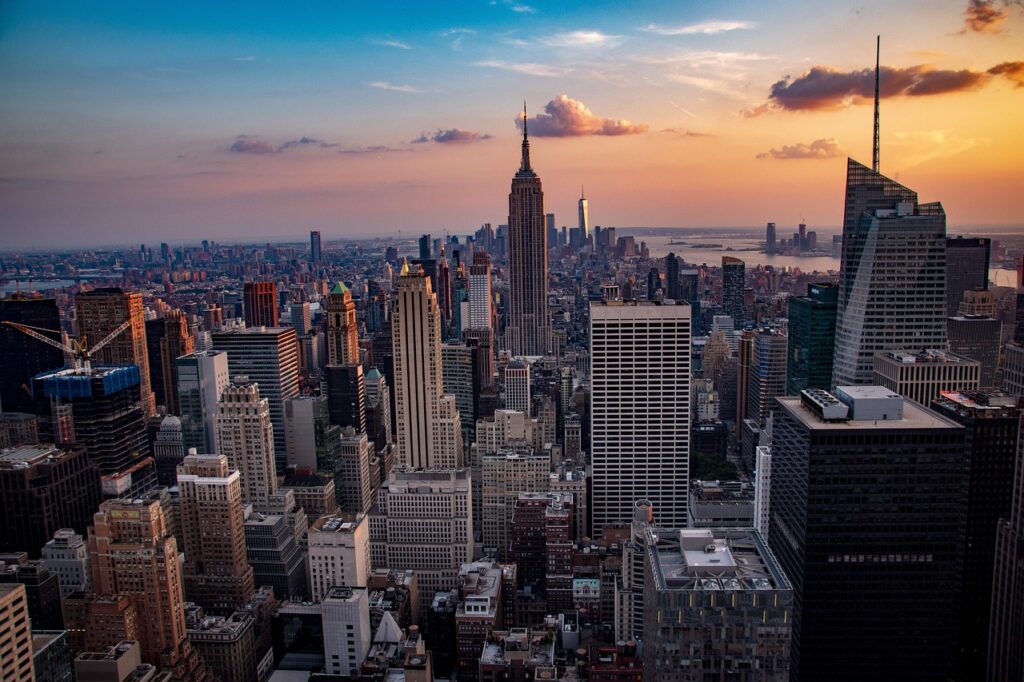

Two individuals were taken into police custody early Thursday morning after scaling the exterior of the Empire State Building in New York City, an unauthorized climb that culminated in a public marriage proposal. The stunt, which briefly paralyzed midtown Manhattan security protocols, saw the pair reach a high-level observation deck before unfurling a banner advocating for world peace.
A Dangerous Trend in Urban Exploration
The incident highlights the growing prevalence of “roof-topping,” a subculture where thrill-seekers climb skyscrapers and other high-altitude structures to capture dramatic photos or videos for social media. Despite the inherent dangers and legal ramifications, these stunts have become increasingly frequent in global metropolitan centers.
The New York City Police Department (NYPD) confirmed that officers were alerted to the climbers’ presence shortly after they began their ascent. The unauthorized intrusion triggered an immediate security response, as authorities worked to intercept the individuals before they could reach the summit.
The Intersection of Activism and Stunt Culture
While the climbers utilized the high-profile platform to display a banner calling for world peace, the act remains a severe violation of public safety regulations. Security experts emphasize that such unauthorized climbs place both the participants and first responders at significant risk of injury or death.
Following their descent, the pair engaged in a marriage proposal while still under the watchful eyes of law enforcement. The romantic gesture did not mitigate the legal consequences, as both individuals were promptly arrested and charged with criminal trespassing and disorderly conduct.
Legal and Security Implications
Industry analysts point out that the Empire State Building, an iconic symbol of New York, remains a high-security target. The ability of the climbers to bypass perimeter security measures raises questions regarding the efficacy of current building management protocols.
According to data from urban security consultants, incidents involving “urban explorers” have seen a 15% increase in major cities over the past three years. This trend is often fueled by the desire for viral online content, which can monetize dangerous behavior through social media algorithms.
For the building management industry, this event serves as a call to re-evaluate perimeter monitoring systems and facial recognition technology. Experts suggest that the cost of securing these iconic structures against such persistent threats is rising, potentially leading to increased restrictions for legitimate tourists and visitors.
Future Outlook
Legal experts expect the court to pursue maximum penalties to serve as a deterrent against similar copycat stunts. Observers should look for potential policy changes regarding public access to landmark building exteriors and increased surveillance measures in Manhattan’s high-altitude zones. The balance between maintaining iconic accessibility and ensuring public safety remains a critical challenge for urban planners moving forward.