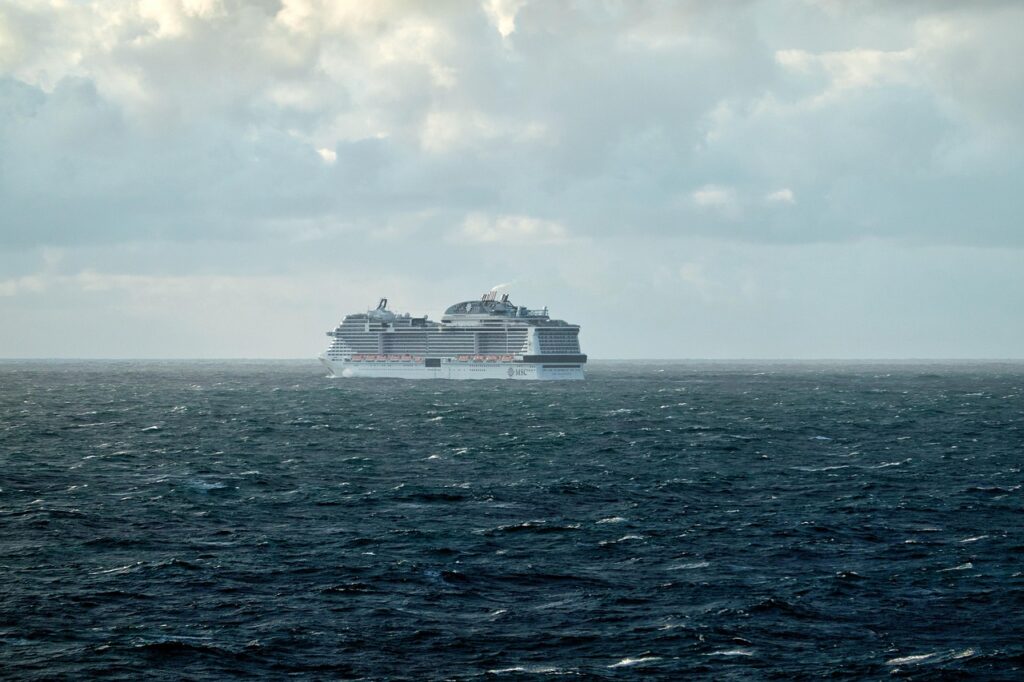

Public Health Milestone Reached at Sea
The World Health Organization (WHO) officially declared the end of a hantavirus outbreak aboard the expedition cruise ship MV Hondius on Thursday, confirming that all remaining individuals under medical observation have cleared their quarantine periods. Health authorities confirmed that the final identified contact of an infected passenger tested negative, signaling the conclusion of a containment effort that spanned several weeks of international coordination.
The outbreak, which triggered significant concern among global maritime and health agencies, originated during a voyage in remote waters. By isolating exposed individuals and implementing rigorous screening protocols, maritime operators and local health officials successfully prevented a wider spread of the zoonotic pathogen.
Contextualizing the Risk
Hantaviruses are a family of viruses spread mainly by rodents and can cause varied disease syndromes in people worldwide. While human-to-human transmission is extremely rare, the virus typically enters the body through inhalation of aerosolized urine, droppings, or saliva from infected rodents. Maritime environments present unique challenges for disease control due to the confined nature of shipboard living and the difficulty of rapid medical evacuation.
Cruise lines are subject to strict International Health Regulations (IHR) when managing infectious disease outbreaks. The MV Hondius incident follows a series of heightened surveillance measures implemented across the global cruise industry since the COVID-19 pandemic, which prioritized rapid diagnostic testing and quarantine logistics.
Operational Impact and Containment
The containment strategy utilized by the ship’s medical team focused on contact tracing and environmental decontamination. According to data from the Centers for Disease Control and Prevention (CDC), early identification of symptoms is critical in managing hantavirus cases, as the virus can lead to Hantavirus Pulmonary Syndrome (HPS), a severe respiratory condition with a high mortality rate if left untreated.
Medical experts emphasize that the successful resolution of this outbreak serves as a case study for maritime health management. Dr. Elena Rossi, an infectious disease specialist, noted that the speed of the quarantine response was the decisive factor in preventing a more widespread health crisis. The cruise operator worked closely with port health authorities to ensure that all passengers received specialized monitoring throughout their isolation period.
Industry Implications and Future Outlook
For the cruise industry, the resolution of this event reinforces the necessity of maintaining robust onboard medical facilities. Operators are increasingly investing in advanced air filtration systems and real-time diagnostic tools to mitigate the risks posed by zoonotic and respiratory pathogens. As expedition cruising continues to reach more remote regions, the reliance on self-contained medical protocols remains a primary operational requirement.
Industry analysts suggest that this event will likely lead to updated guidelines regarding rodent control in maritime cargo and passenger vessels. Future travelers can expect intensified pre-boarding health screenings and more transparent communication regarding onboard sanitary protocols. Regulatory bodies are expected to review these findings over the coming months to determine if existing maritime health protocols require permanent adjustments to address the specific transmission patterns of rodent-borne viruses.