
Managing Cooling Costs During Record-Breaking Heat
As record-breaking temperatures sweep across the United States this summer, millions of households are bracing for a sharp increase in monthly utility expenditures. Energy experts and utility providers are advising consumers to implement immediate adjustments to thermostat settings, home insulation, and cooling habits to mitigate the financial impact of sustained extreme heat.
The Context of Rising Utility Pressures
The U.S. Energy Information Administration (EIA) has noted that electricity prices for residential consumers have seen consistent upward pressure due to a combination of aging infrastructure costs and volatile fuel prices. As climate patterns shift toward more frequent heat waves, the demand for air conditioning has surged, placing unprecedented stress on regional power grids.
This reliance on mechanical cooling is the primary driver of high summer electricity bills. For many families, cooling now represents the largest portion of their annual energy budget, making efficiency a matter of financial necessity rather than just environmental stewardship.
Strategic Adjustments for Energy Efficiency
The most effective strategy for immediate savings remains the precise management of thermostat settings. The Department of Energy recommends setting air conditioners to 78 degrees Fahrenheit when residents are home, noting that for every degree a thermostat is raised, homeowners can save approximately 6% to 8% on cooling costs.
Beyond thermostat management, the use of ceiling fans can provide a significant cooling effect through the wind-chill factor. While fans do not lower the actual temperature of a room, they allow occupants to feel comfortable at higher thermostat settings, effectively reducing the workload of the central air conditioning unit.
Maintenance also plays a critical role in system efficiency. Clogged air filters restrict airflow, forcing the system to run longer to achieve the same cooling effect. HVAC technicians suggest replacing filters every 30 to 90 days to ensure optimal performance and prevent unnecessary energy waste.
Expert Perspectives and Data Insights
Industry analysts point out that passive cooling techniques are often overlooked by homeowners seeking to lower costs. Window treatments, such as blinds, shades, or blackout curtains, can block up to 77% of sunlight from entering a home, significantly reducing solar heat gain during peak afternoon hours.
According to data from the Environmental Protection Agency (EPA), sealing leaks around doors and windows can prevent the loss of conditioned air. Small investments in weatherstripping or caulk can yield a return on investment within a single cooling season by preventing the HVAC system from cycling more frequently than necessary.
Future Implications for Consumers
Looking ahead, the trend of rising utility costs is expected to persist as grid operators continue to invest in reliability upgrades to withstand extreme weather events. Experts suggest that homeowners should monitor their local utility’s “time-of-use” rate plans, which may offer lower rates during off-peak hours, allowing for strategic cooling at night or early morning.
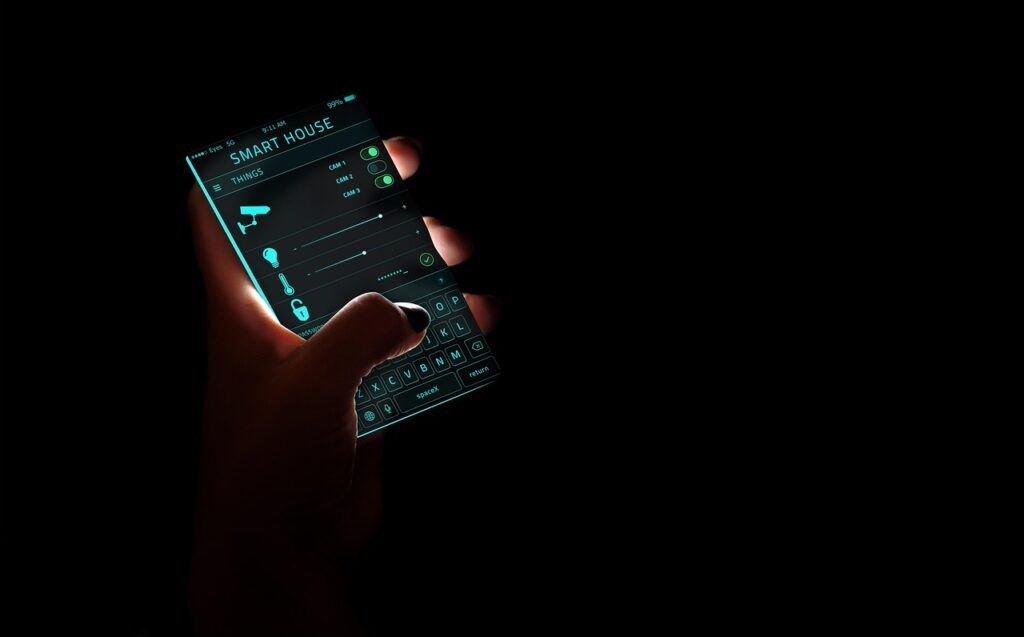
As smart home technology becomes more accessible, the adoption of programmable thermostats will likely become the standard for energy management. These devices can automate temperature setbacks, ensuring that cooling is not wasted on empty rooms or during the cooler hours of the day. Industry watchers recommend that consumers keep a close eye on upcoming federal energy tax credits, which may soon expand to cover a broader range of high-efficiency home cooling upgrades.