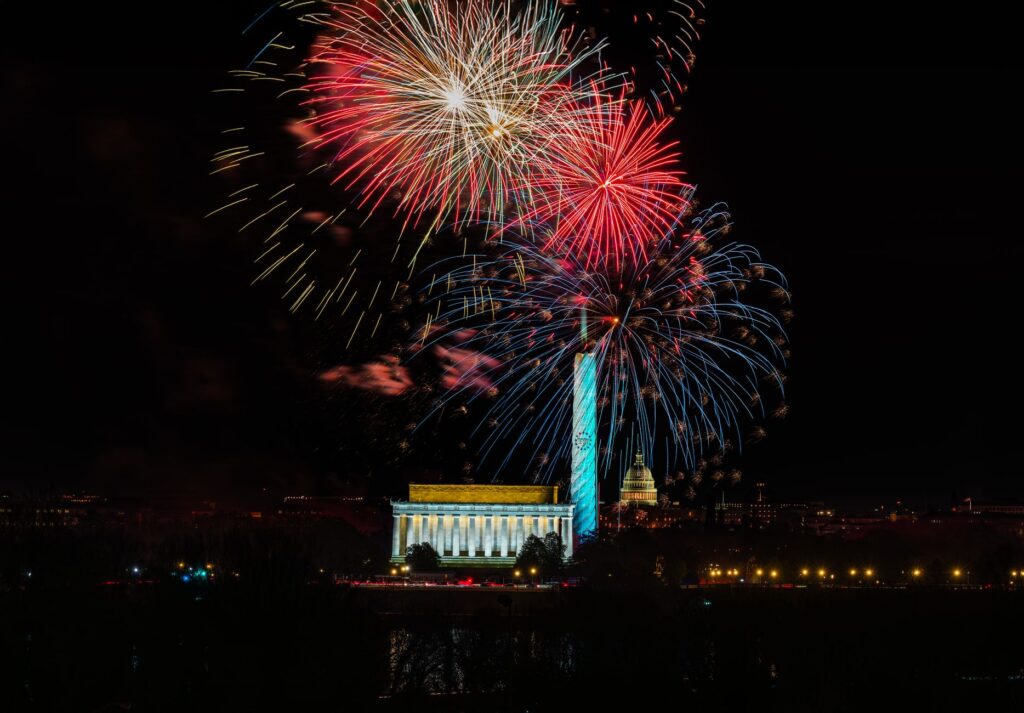

A family-owned pyrotechnics firm is set to make history this Independence Day in Washington, D.C., by launching the largest fireworks display ever recorded. As night falls on July 4th, the company will ignite 850,000 individual pyrotechnic shells, creating a continuous, 40-minute aerial spectacle over the National Mall.
A Legacy of Pyrotechnic Innovation
For decades, the organizers have managed high-profile displays, but this year represents a significant escalation in both scale and technical complexity. The coordination required for a show of this magnitude involves months of logistical planning, ranging from barge positioning on the Potomac River to precise computer-aided firing sequences.
The Logistics of a Historic Show
Executing a display featuring nearly one million individual effects requires a departure from traditional manual firing methods. Technicians utilize advanced digital firing systems that synchronize bursts to within milliseconds of each other, ensuring the sky remains saturated with light throughout the entire duration of the show.
Safety remains the primary logistical hurdle for the team. The Bureau of Alcohol, Tobacco, Firearms and Explosives (ATF) and the National Park Service have collaborated with the firm to establish expanded safety perimeters to accommodate the increased blast radius associated with such a massive volume of explosives.
Economic and Cultural Impact
The event serves as a major draw for tourism in the District of Columbia, with local hospitality sectors reporting record booking numbers for the holiday weekend. Industry analysts note that large-scale public displays often act as a catalyst for local spending, driving revenue for downtown businesses and transportation services.
“Events of this scale demonstrate the intersection of traditional artistry and modern engineering,” says Dr. Marcus Thorne, a fireworks industry consultant. “The ability to choreograph 850,000 units without a single failure requires a level of precision that was physically impossible just twenty years ago.”
Future Trends in Public Celebration
This display signals a shift toward increasingly ambitious public programming as cities compete to host marquee events that drive national attention. As technology allows for more complex, high-density shows, the industry expects a trend toward “hyper-choreographed” displays that emphasize storytelling and artistic narrative over simple volume.
Looking ahead, observers should watch for how advancements in drone technology might eventually integrate with traditional pyrotechnics. While this year focuses on explosive volume, the industry is already testing hybrid shows that combine physical fireworks with LED-equipped drone swarms to create three-dimensional light structures in the sky.