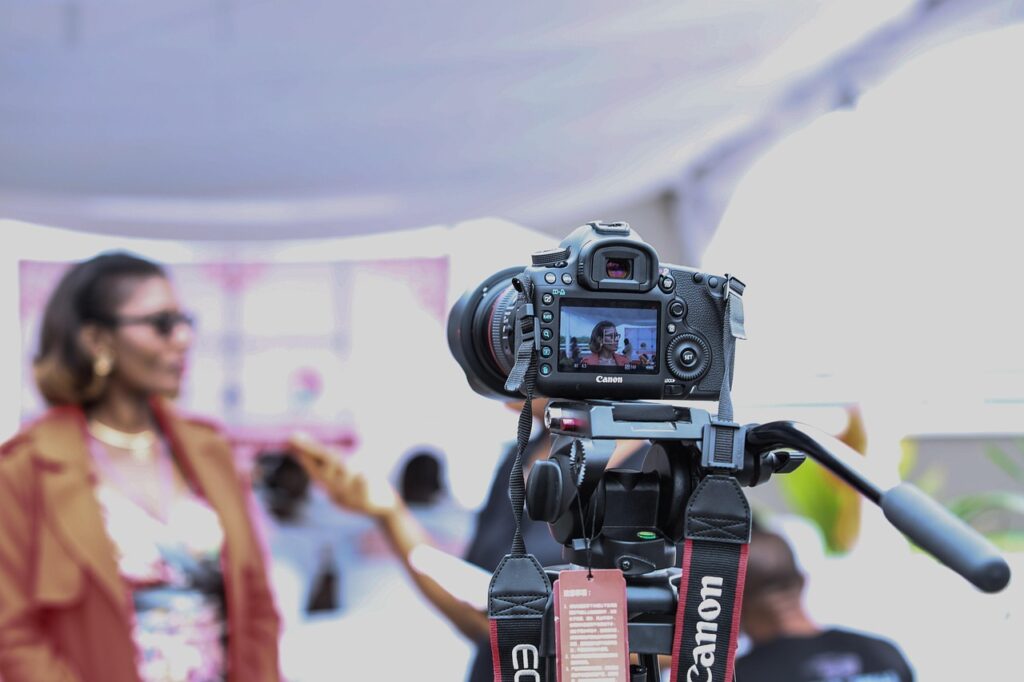

For the past decade, Rishi Sharma, a Southern California native, has dedicated his life to a singular, urgent mission: capturing the firsthand accounts of World War II veterans before their stories are lost to history. What began as local neighborhood visits has evolved into a nationwide initiative, as Sharma travels across the United States to document the personal experiences of the remaining members of the Greatest Generation.
The Urgency of a Fading Generation
The impetus for Sharma’s project stems from the rapidly declining population of World War II veterans. According to data from the U.S. Department of Veterans Affairs, fewer than 120,000 of the 16 million Americans who served in the conflict remain alive today.
As these individuals reach the final stages of their lives, the window to record their authentic, unscripted memories is closing. Sharma’s work functions as a race against time, ensuring that the human element of historical events—the fear, the camaraderie, and the personal sacrifice—is preserved for future generations.
A Commitment Beyond Borders
Sharma’s initiative expanded significantly over the last ten years, transitioning from casual local interviews to a meticulously organized archival project. He often spends hours with each veteran, listening to stories that have remained untold for decades, even to the veterans’ own families.
The process is intensive, requiring both logistical coordination and emotional sensitivity. By providing a platform for these veterans to speak, Sharma creates a bridge between the historical record and the individual experience, offering a perspective that textbooks often overlook.
Expert Perspectives on Oral History
Historians and archivists emphasize the profound value of oral histories in academic research. Dr. Elena Rodriguez, a military historian, notes that while official documents provide the ‘what’ and ‘when’ of war, personal interviews provide the ‘how’ and ‘why’ of the human condition under pressure.
Data from the National WWII Museum supports this sentiment, indicating that personal narratives are the most effective tool for educating younger generations about the realities of global conflict. By digitizing these interviews, projects like Sharma’s ensure that primary source materials remain accessible to educators and researchers long after the last veteran has passed.
Implications for Future Remembrance
The impact of this work extends beyond individual archives. As the world moves further away from the mid-20th century, the role of independent archivists becomes critical in filling the gaps left by institutional research.
Observers should watch for the integration of these independent archives into larger, state-funded digital libraries. As these personal records become more widely available, they are likely to reshape academic understanding of the war’s social impact and influence how future generations perceive the cost of freedom. The ongoing challenge remains the digitization and long-term maintenance of these vast audio-visual collections to prevent technological obsolescence.