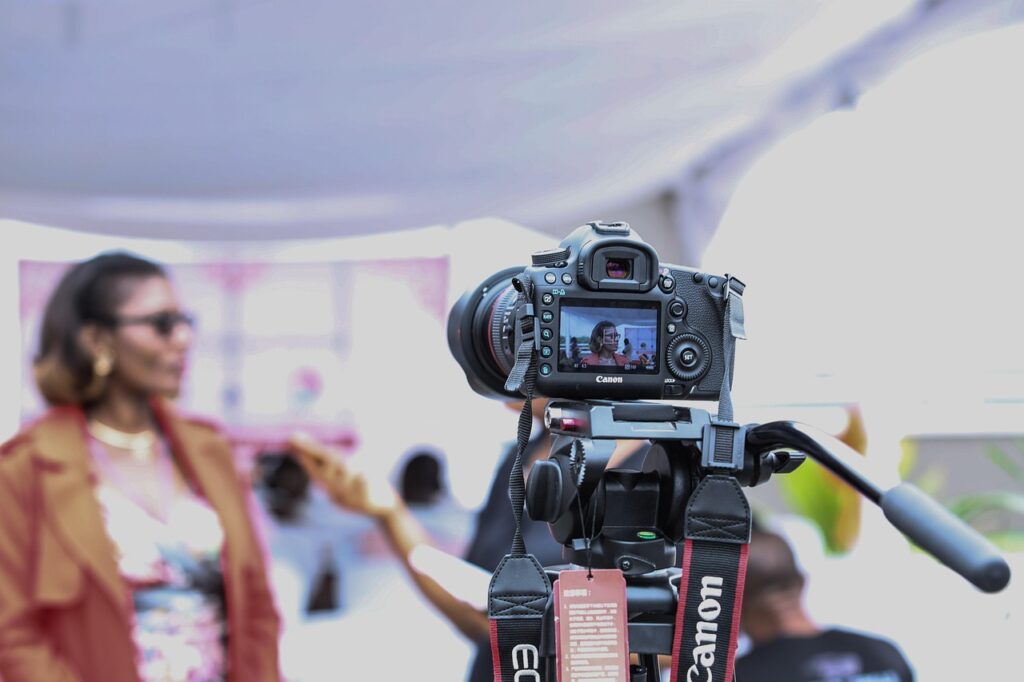

For the past decade, Rishi Sharma, a Southern California resident, has dedicated his life to a singular mission: documenting the life stories of World War II veterans before their voices are lost to time. What began as a local initiative in his own neighborhood has evolved into a nationwide effort, as Sharma travels across the country to record high-definition video interviews with the dwindling population of men and women who served in the global conflict.
The Urgency of a Fading Generation
The impetus for Sharma’s project lies in the stark reality of aging demographics. According to data from the U.S. Department of Veterans Affairs, the number of living WWII veterans has plummeted over the last decade, with only a small fraction of the 16 million Americans who served in the war remaining alive today.
These veterans, now largely in their late 90s or older, represent a living bridge to one of the most transformative periods in human history. Sharma’s work captures not just tactical accounts of combat, but the personal, human experiences of sacrifice, camaraderie, and the transition back to civilian life.
Expanding the Scope of Oral History
While the project started with casual outreach in his local community, Sharma eventually formalized his approach to ensure these testimonials are preserved for historical archives. His process involves sit-down, long-form interviews that allow veterans to recount their service in their own words, unfiltered by secondary interpretations.
This grassroots initiative mirrors the efforts of organizations like the Library of Congress’s Veterans History Project, which has collected thousands of stories since its inception. However, Sharma’s project stands out for its personal, face-to-face nature, often involving long-distance travel to meet veterans who may be homebound or unable to travel to formal recording centers.
Expert Perspectives on Preservation
Historians emphasize that oral histories provide essential context that official military records often omit. While battle reports document positions and casualties, they rarely capture the psychological impact of service or the cultural nuances of the era.
“The emotional weight of these accounts is irreplaceable,” says Dr. Elena Rossi, a military historian. “When a veteran speaks about the sights, sounds, and fears they experienced, they provide a primary source document that changes how future generations understand the cost of war.”
Implications for Future Archives
For the broader community, this project highlights the critical window of opportunity remaining to document the lived reality of the “Greatest Generation.” As the number of surviving veterans reaches a critical low, the focus of historians and volunteers is shifting toward ensuring these digital archives are accessible, searchable, and preserved for educational purposes.
Moving forward, the industry is watching how these individual collections will be integrated into national museums and digital libraries. Observers expect that as these personal archives grow, they will serve as the backbone for future documentaries, academic research, and interactive exhibits that will define how the 21st century remembers the 20th century’s most significant conflict.