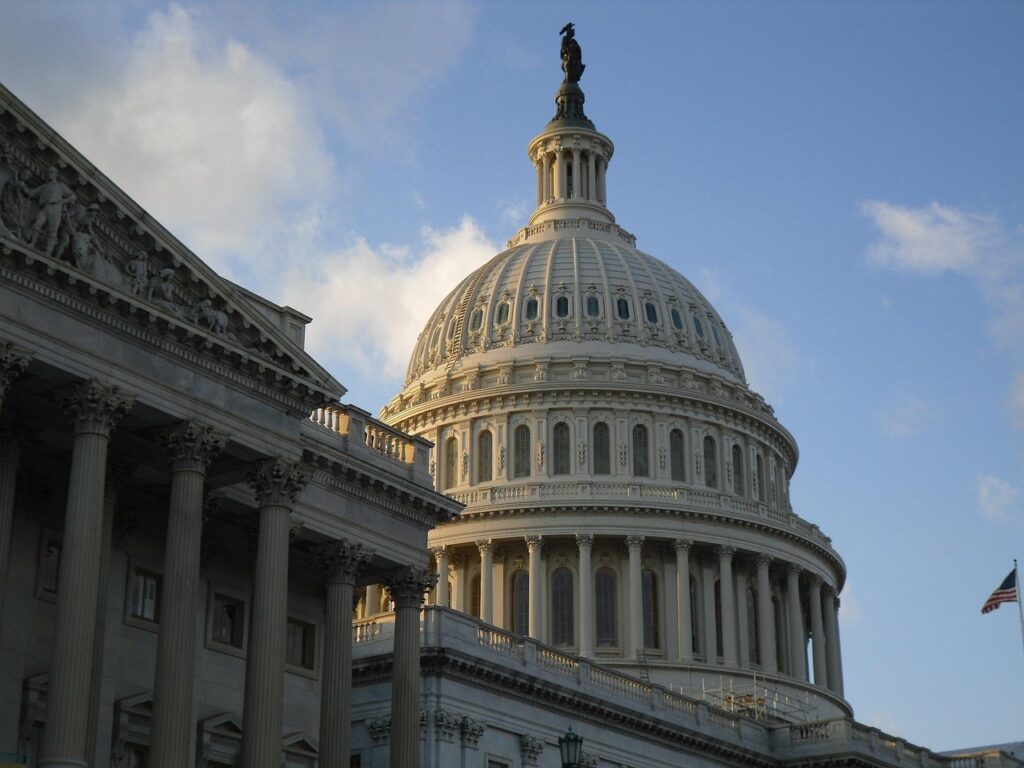

Pyrotecnico, a leading pyrotechnic production firm, has announced plans to execute the largest fireworks display in history this Fourth of July in Washington, D.C. The ambitious project, revealed in an exclusive report, aims to shatter existing records for scale, complexity, and visual impact during the nation’s Independence Day celebrations.
The Logistics of a Massive Display
Orchestrating a display of this magnitude requires months of precision engineering and coordination with federal authorities. The operation involves thousands of individual firing cues, requiring a synchronized software system to manage the timing of each shell launch.
Safety remains the primary logistical hurdle for the team. The company must secure extensive exclusion zones along the National Mall to accommodate the fall-out radius of larger-caliber shells, which can reach heights of several thousand feet.
Technical Complexity and Artistic Vision
Beyond the sheer volume of explosives, the display focuses on artistic choreography. Pyrotecnico designers utilize 3D simulation software to preview the timing and color palette of the show before a single fuse is lit.
The integration of digital firing systems allows for split-second accuracy, ensuring that the pyrotechnic effects align perfectly with the musical score. This level of technical synchronization has become the industry standard for major public celebrations.
Industry Context and Standards
The pyrotechnics industry has evolved significantly over the past decade, moving away from manual ignition to fully automated, computer-controlled systems. According to data from the American Pyrotechnics Association, modern displays now emphasize high-altitude effects and multi-layered firing sequences that were previously impossible to execute safely.
Expert analysts note that record-breaking attempts often drive innovation in shell manufacturing. Companies are increasingly experimenting with biodegradable casings and cleaner-burning chemical compositions to reduce the environmental footprint of these massive events.
Economic and Safety Implications
For the District of Columbia, hosting such a massive event serves as both a logistical challenge and a significant tourism driver. City officials and federal agencies, including the National Park Service, must coordinate traffic control, crowd management, and public safety patrols to accommodate the influx of spectators.
Industry experts suggest that this record-breaking attempt will likely set a new benchmark for municipal celebrations nationwide. As cities look to differentiate their holiday events, the demand for highly technical, large-scale displays is expected to grow, potentially leading to increased investment in pyrotechnic technology.
Moving forward, the industry will watch closely to see if this attempt successfully clears the high bar for safety and technical execution. Future developments may focus on the use of drone swarms combined with traditional pyrotechnics to create even more complex visual narratives in the night sky.