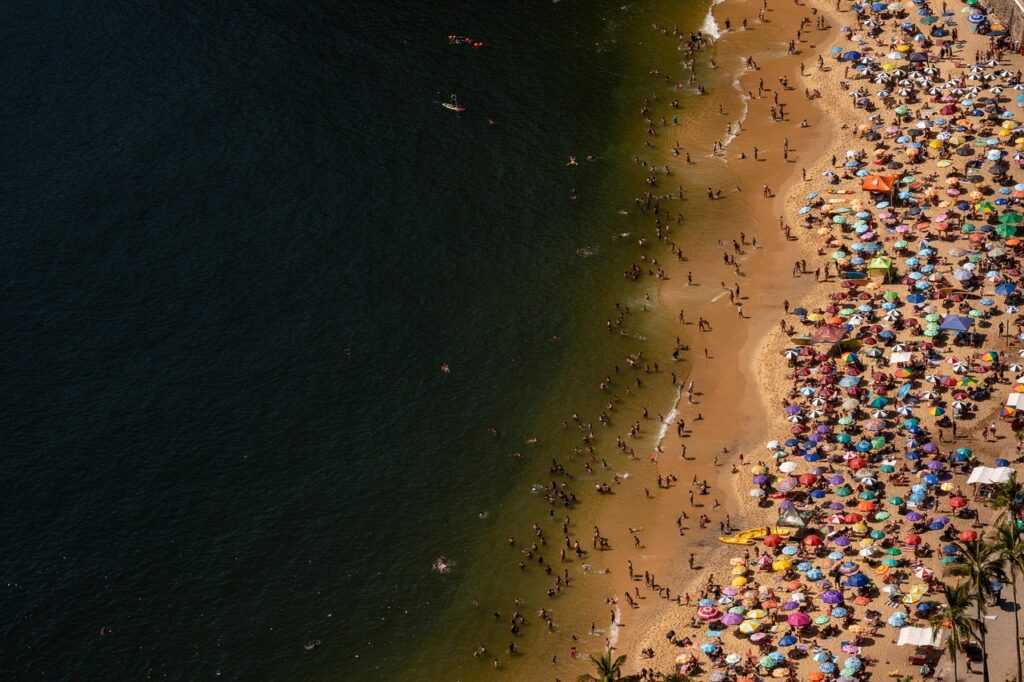

A series of shark sightings and unprovoked attacks disrupted Independence Day celebrations across multiple U.S. coastal regions this July, forcing lifeguards to temporarily close popular swimming areas and sparking renewed concerns regarding ocean safety during peak summer tourism. As millions of Americans flocked to the shoreline to escape record-breaking temperatures, the increased human presence in the water coincided with heightened shark activity, leading to several emergency responses from New York to Florida.
Understanding the Seasonal Spike
The Fourth of July holiday represents one of the busiest periods for coastal tourism in the United States, statistically increasing the number of potential interactions between humans and marine predators. Marine biologists note that summer months naturally bring sharks closer to the coast as they follow schools of bait fish and take advantage of warmer water temperatures, which can accelerate their metabolism and activity levels.
The Intersection of Human Traffic and Marine Behavior
Recent data from the International Shark Attack File (ISAF) suggests that while shark attacks remain statistically rare, the probability of an encounter rises exponentially when human beach attendance peaks. This year, the combination of a holiday weekend and localized environmental conditions—such as murky water from recent storms or bait fish migrating near shore—created a perfect storm for incidents.
In New York, authorities reported multiple shark sightings off the coast of Long Island, prompting the deployment of drones and helicopter surveillance to monitor the coastline. Similar precautionary measures were enacted in Florida, where local officials increased lifeguard patrols to ensure rapid response times should a shark breach the surf zone.
Expert Perspectives on Mitigation
Dr. George Burgess, former director of the Florida Program for Shark Research, emphasizes that sharks are often unaware of human presence until a contact occurs, frequently mistaking a splashing limb for their natural prey. Experts advocate for common-sense safety practices, such as avoiding swimming during dawn or dusk when shark hunting activity is typically highest, and staying clear of schools of fish or areas where seabirds are diving.
Technological integration is also changing how beaches manage these risks. Many municipalities have begun utilizing advanced sonar tracking and persistent drone surveillance to identify shark presence before they reach the bathing areas. These tools provide a proactive layer of security that was previously unavailable to municipal beach management teams.
Future Implications for Coastal Tourism
The trend of increasing shark sightings is forcing local governments to reconsider their beach management strategies, potentially shifting toward more permanent surveillance infrastructure rather than reactive closures. As climate change continues to alter ocean temperatures and migratory patterns, coastal communities must prepare for more frequent and unpredictable marine wildlife sightings near human-populated areas.
Moving forward, beachgoers should anticipate more rigorous safety protocols and clearer communication regarding water conditions. Observers are keeping a close watch on how these sightings impact tourism revenue in the coming weeks, as public perception of ocean safety remains a critical factor for the hospitality industry throughout the remainder of the summer season.