
A series of shark sightings and reported attacks across multiple U.S. coastal regions during the Fourth of July holiday weekend have prompted local authorities to increase patrols and issue urgent safety warnings to beachgoers. As record-breaking heat waves drove millions of Americans to the shoreline to cool off, the convergence of high human activity and seasonal shark migration patterns created a heightened risk environment, leading to temporary beach closures from the East Coast to the Gulf.
Understanding the Seasonal Surge
The Fourth of July holiday represents one of the busiest periods for U.S. beaches, creating a statistical overlap between peak human recreation and the natural life cycles of various shark species. Marine biologists note that summer months frequently coincide with the migration of juvenile sharks into shallower coastal waters in search of prey, such as baitfish and smaller marine life.
While shark attacks remain statistically rare, the International Shark Attack File (ISAF) maintained by the Florida Museum of Natural History often cites July as a month with historically higher incident rates due to the sheer volume of people in the water. This phenomenon is not necessarily an indicator of increased shark aggression, but rather a reflection of increased human exposure to natural marine habitats.
A Geographic Spread of Incidents
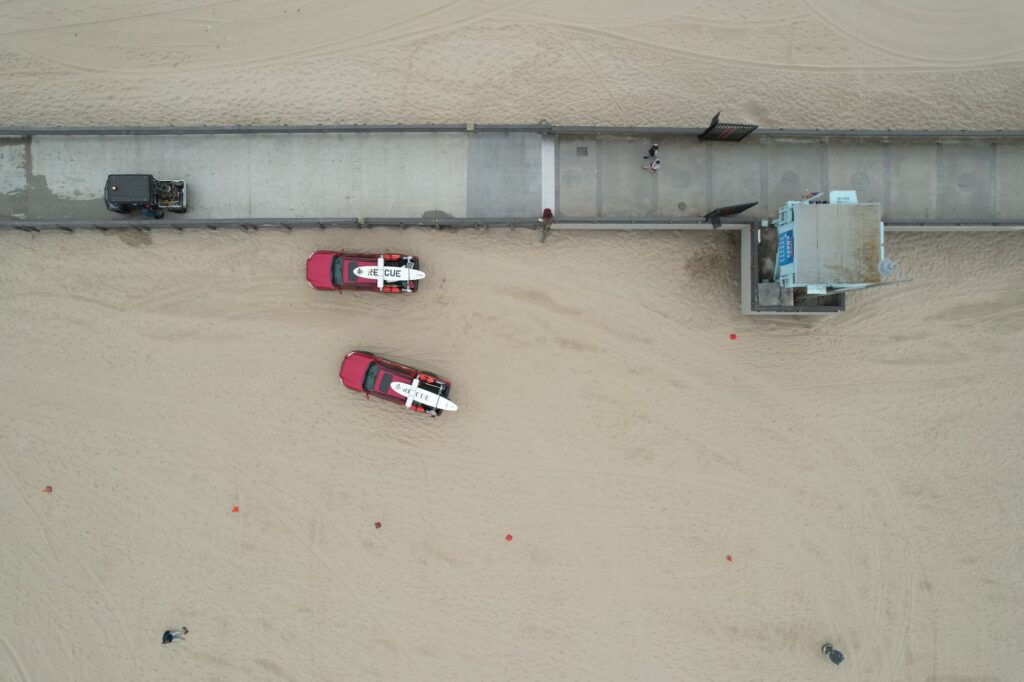
Reports emerged from several states, most notably along the Atlantic seaboard, where local municipalities implemented red-flag warnings and drone surveillance to monitor the surf. In affected areas, lifeguards utilized specialized equipment to clear waters immediately following sightings, prioritizing public safety over recreational access.
Experts point out that the clarity and temperature of the water play significant roles in these interactions. When baitfish are pushed toward the shore by currents, sharks naturally follow, occasionally mistaking the splashing of swimmers for the movement of prey. This accidental contact remains the primary cause of most unprovoked encounters reported near popular tourist destinations.
Data and Expert Analysis
According to data from the ISAF, the United States continues to lead the world in the number of unprovoked shark bites, though the vast majority of these incidents result in minor injuries rather than fatalities. Researchers emphasize that the risk of a shark attack is significantly lower than the risk of drowning or suffering from heat-related illnesses at the beach.
“The probability of an encounter is incredibly low, even when sightings are reported,” stated a marine research spokesperson. “However, the presence of baitfish, bird activity, and murky water conditions should serve as clear signals for swimmers to exercise caution or exit the water.”
Long-term Industry and Safety Implications
The recent spike in activity is expected to accelerate the adoption of new beach management technologies. Many coastal jurisdictions are now investing in automated drone detection systems and acoustic monitoring arrays to provide real-time data to lifeguards, moving away from reactive measures toward proactive surveillance.
For the tourism industry, the challenge lies in balancing public safety with the economic reliance on beach traffic. As climate change continues to alter ocean temperatures and migration corridors, beach managers are preparing for potential shifts in shark behavior that may require permanent adjustments to seasonal lifeguard staffing and public education campaigns.
Looking ahead, observers should watch for how local governments integrate artificial intelligence into their surveillance grids to identify marine life in real-time. Furthermore, public education efforts are expected to focus heavily on “shark-smart” behaviors, such as avoiding swimming at dawn or dusk and staying clear of schools of fish or fishing piers, as these factors become increasingly critical in the face of changing coastal dynamics.