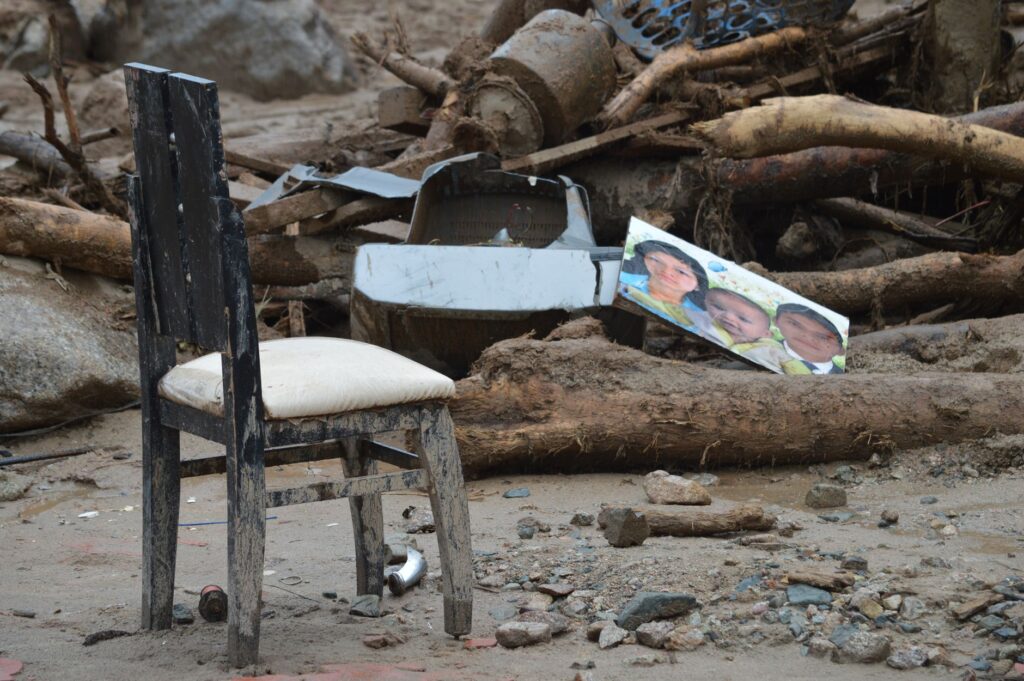

Authorities in Nepal have officially launched investigations into a disturbing surge of abusive social media comments and harassment targeting recent flood survivors. Law enforcement agencies and cyber crime units are actively monitoring various digital platforms to identify individuals responsible for posting malicious content, hate speech, and derogatory remarks against people displaced or affected by severe natural disasters.
The widespread devastation caused by seasonal monsoon rains and subsequent flooding has left countless families without homes, basic supplies, or adequate shelter. While humanitarian relief efforts and rescue operations have been working tirelessly to assist those in need, a parallel crisis has emerged online. Platforms such as Facebook, TikTok, and X have witnessed an influx of insensitive commentary, victim-blaming, and deliberate mockery directed toward those who have lost their livelihoods and loved ones.
Understanding the Psychological Toll
The psychological impact of surviving a catastrophic natural disaster is profound and long-lasting. Survivors frequently grapple with trauma, grief, and extreme uncertainty about their future. Subjecting these vulnerable individuals to online hostility and targeted abuse severely compounds their distress, hindering their ability to recover and rebuild their lives.
Experts in mental health and digital ethics note that online harassment of disaster victims reflects a broader breakdown of empathy in digital spaces. Anonymity provided by the internet often emboldens trolls and bad actors to cross ethical and legal boundaries without immediate fear of social consequences.
Government and Law Enforcement Response
In response to public outrage and growing concern from human rights advocates, the Nepalese government has stepped up monitoring efforts. The cyber crime bureau is examining reported cases where users have posted malicious content mocking flood victims or spreading misinformation regarding relief distribution.
Officials have reiterated that existing laws regarding cyberbullying, harassment, and electronic transactions will be strictly enforced against offenders. Law enforcement agencies are urging citizens to report abusive posts and refrain from engaging with or amplifying harmful content online.
Promoting Digital Responsibility
The ongoing investigation serves as a critical reminder of the need for greater digital literacy and responsibility. Civil society organizations, digital rights advocates, and community leaders are calling for comprehensive campaigns to educate internet users on empathetic online behavior.
Social media companies are also facing renewed pressure to proactively moderate content during national emergencies. Swift removal of harmful material and cooperation with local authorities are essential steps in protecting vulnerable populations from digital exploitation.
Moving Forward in Relief and Recovery
As Nepal continues its recovery process, addressing online abuse remains a vital component of supporting affected communities. Ensuring that survivors can navigate the aftermath of a disaster without facing harassment is a priority for both lawmakers and humanitarian workers.
Authorities emphasize that the fight against online hate requires collective vigilance. By holding perpetrators accountable and fostering a culture of online respect, the nation hopes to create a safer and more supportive digital environment for all citizens, especially during times of crisis.