
Emergency Response and Rescue Operations in Nepal
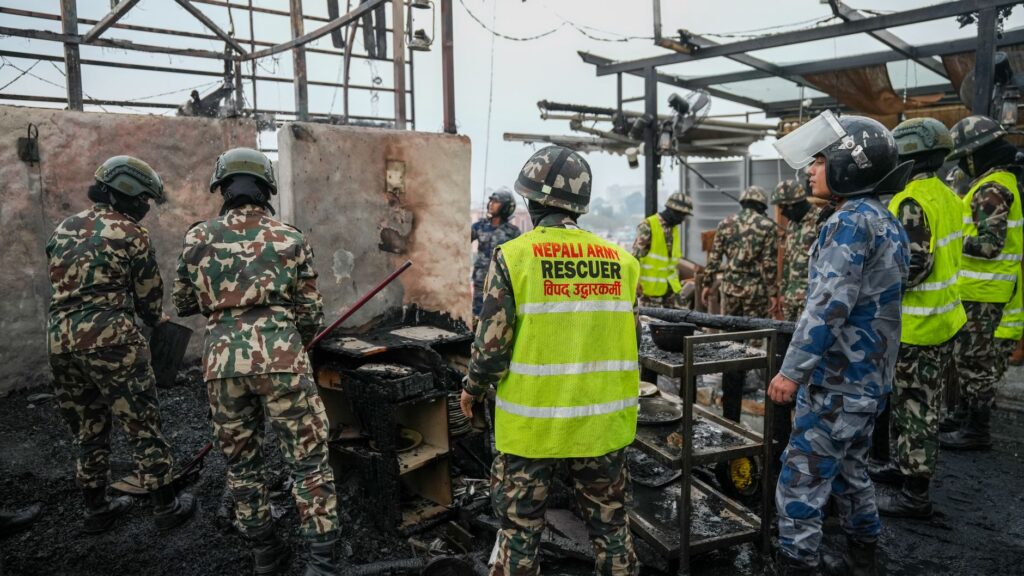
Emergency response teams in Nepal have achieved remarkable milestones in ongoing disaster relief operations. Following severe environmental calamities that devastated local infrastructure, rescue personnel have maintained a relentless search for missing individuals. Despite diminishing hope as time passed, search and rescue crews continued combing through unstable wreckage and damaged structures in hopes of finding anyone still breathing.
Overcoming Incredible Odds
Recent operations highlight the sheer determination of the rescue teams deployed across affected regions. Amidst the debris of collapsed infrastructure, specialists utilized advanced detection methods and heavy machinery to clear paths safely. These painstaking efforts recently yielded miraculous results when personnel successfully located and extricated multiple trapped individuals who had been presumed lost by their communities.
Survivors Recovered from the Debris
Among the individuals recently brought to safety are specialized workers and international visitors. Reports confirm that extraction teams successfully rescued two local hydropower workers alongside a Chinese national. These individuals endured grueling conditions beneath heavy structural ruins for an extended period before emergency responders finally heard their calls and coordinated a delicate extraction.
Medical Assessment and Ongoing Recovery
Following their miraculous extraction, the rescued individuals were immediately transferred to medical facilities for thorough evaluations and urgent care. Prolonged confinement without adequate hydration or nutrition poses severe health risks, requiring specialized intervention from healthcare professionals. Medical teams are closely monitoring their recovery as they begin the healing process surrounded by relieved family members and supportive communities.
Broader Impact on Local Infrastructure
The catastrophic events leading to these entrapments have severely strained regional infrastructure, particularly critical energy assets like hydropower stations. Recovery efforts are not only focused on human life but also on stabilizing damaged facilities to prevent further hazards. Authorities continue to assess the extensive structural damage while prioritizing humanitarian missions above all other reconstruction tasks.
Looking Ahead and Future Preparedness
As affected communities begin to process the trauma of these events, regional authorities are emphasizing the importance of enhanced emergency preparedness. The successful rescues underscore the vital role of well-trained disaster response units and prompt international cooperation during large-scale crises. Moving forward, government agencies plan to reinforce infrastructural resilience to better withstand future environmental shocks and protect vulnerable populations.