









The Path to a Democratic Majority
As the political climate shifts ahead of critical legislative contests, the Democratic Party is mounting a strategic effort to regain control of the United States Senate, navigating a landscape defined by President Donald Trump’s polarizing approval ratings and internal Republican friction. While Democratic operatives point to recent geopolitical tensions and domestic policy disputes as potential catalysts for a voter shift, the path to a majority remains arduous, requiring significant gains in traditionally conservative-leaning rural districts.
The Rural Bellwether
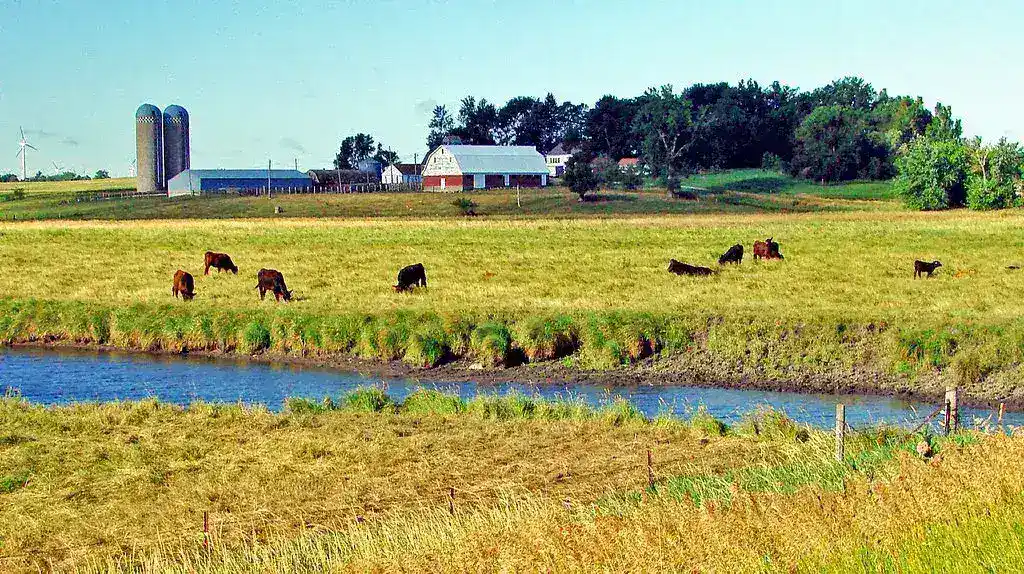
The struggle for dominance is best illustrated in regions like Louisa County, Iowa, where the electorate has demonstrated significant volatility over the past decade. Once a stronghold for Barack Obama, the county shifted decisively toward Donald Trump in 2016, reflecting a broader trend of rural alienation from the Democratic platform. Understanding the motivations of these Mississippi River counties is essential for any national party looking to secure a legislative foothold.
Analyzing the Republican Hurdle
Political analysts suggest that the Republican Party currently faces a unique set of challenges, ranging from legislative gridlock to the potential fallout from ongoing international conflicts. Observers note that while the President’s base remains energized, the party’s internal cohesion is being tested by shifting economic priorities and foreign policy debates. The ‘self-destruction’ narrative, often cited by opposition strategists, refers to the friction between traditional conservative values and the populist agenda championed by the current administration.
Expert Perspectives on Voter Behavior
Data from political polling firms indicates that suburban and rural voters are currently experiencing a period of intense scrutiny regarding their party allegiances. According to recent electoral research, the shift in counties like Louisa is not necessarily a permanent ideological migration but rather a response to shifting economic anxieties. Experts suggest that the Democratic path to victory relies heavily on winning back the ‘Obama-Trump’ voters who previously supported populist messaging but are now concerned with institutional stability.
Implications for the Legislative Balance
For the Democratic Party, capturing the Senate requires more than just capitalizing on Republican setbacks; it demands a compelling narrative that addresses the specific needs of rural communities that have felt ignored by coastal political centers. If Democrats fail to bridge this divide, the upper chamber is likely to remain in a state of partisan stalemate, regardless of national polling trends. Conversely, a successful push into these rural heartlands could signal a fundamental realignment of American politics for the next decade.
Watching the Trends
Moving forward, political observers should monitor voter registration numbers in rural swing districts and the efficacy of grassroots mobilization efforts in the Midwest. The coming months will likely see an intensification of campaign spending in these regions, as both parties attempt to define the electoral stakes. Whether the ‘Trump effect’ serves as a deterrent or a rallying cry for the Republican base will be the deciding factor in whether the Senate flips to blue or remains firmly under current leadership.