





As Mexico prepares to co-host the upcoming World Cup, President Claudia Sheinbaum has pledged a comprehensive security strategy to ensure the safety of players, fans, and international visitors. The government is ramping up police and military presence across major host cities, responding directly to concerns regarding recent cartel-related violence and organized social protests that threaten to disrupt the global sporting event.
The Context of a High-Stakes Tournament
Mexico, alongside the United States and Canada, is set to hold a significant portion of the matches for the world’s most-watched sporting event. For the Mexican administration, the tournament is viewed as a vital opportunity to showcase the country’s economic modernization and cultural vibrancy on a global stage.
However, the lead-up to the event has been complicated by persistent security challenges. In recent months, regions near prospective host cities have seen an escalation in territorial disputes between powerful criminal syndicates, drawing international scrutiny toward the safety of the tournament infrastructure.
Security Measures and Infrastructure Upgrades
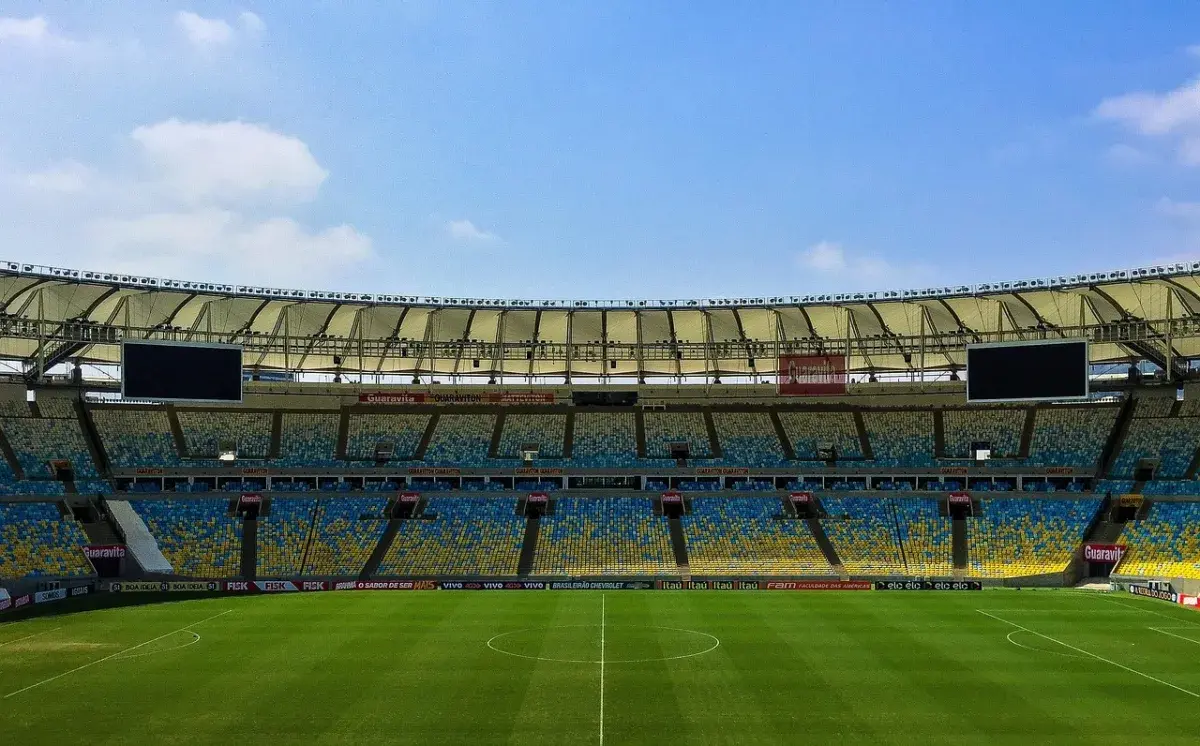
The federal government has deployed thousands of additional National Guard members to key tourist hubs and stadium vicinities. These security measures include advanced surveillance technology, facial recognition integration at stadiums, and enhanced cooperation between local police forces and federal intelligence agencies.
“Our priority is to provide a secure environment where the focus remains on the sport,” President Sheinbaum stated during a recent press briefing. Officials are working to create secure corridors connecting airports, hotels, and stadiums to isolate the fan experience from the volatility seen in more remote areas.
Social Tensions and Public Protest
Beyond cartel violence, the administration faces pressure from various civil society groups planning demonstrations during the tournament. These protests, which range from demands for government accountability to labor rights, present a logistical challenge for urban traffic management and public order.
Political analysts note that the World Cup serves as a massive megaphone for domestic issues. “The tournament acts as a pressure cooker where local grievances are amplified by the presence of international media,” says Elena Ramirez, a security consultant specializing in Latin American geopolitical risk.
Data and Expert Analysis
Data from the National Security Secretariat indicates that while crime rates in major urban centers have shown fluctuations, the government has allocated an unprecedented budget of roughly $500 million specifically for tournament-related security. International observers, including FIFA representatives, have maintained regular consultations with local authorities to ensure that safety protocols meet global standards for mass-attendance events.
Implications for the Future
The success of Mexico’s security operation will likely determine the country’s prospects for hosting future large-scale international events. If the government fails to maintain order, it could lead to increased travel advisories from participating nations and a potential cooling of foreign investment in the tourism sector.
Observers are now watching for how the administration balances the heavy-handed security approach with the necessity of protecting civil liberties during the demonstrations. The effectiveness of the inter-agency coordination between the military and local law enforcement will be the key metric for success as the opening ceremony approaches.