






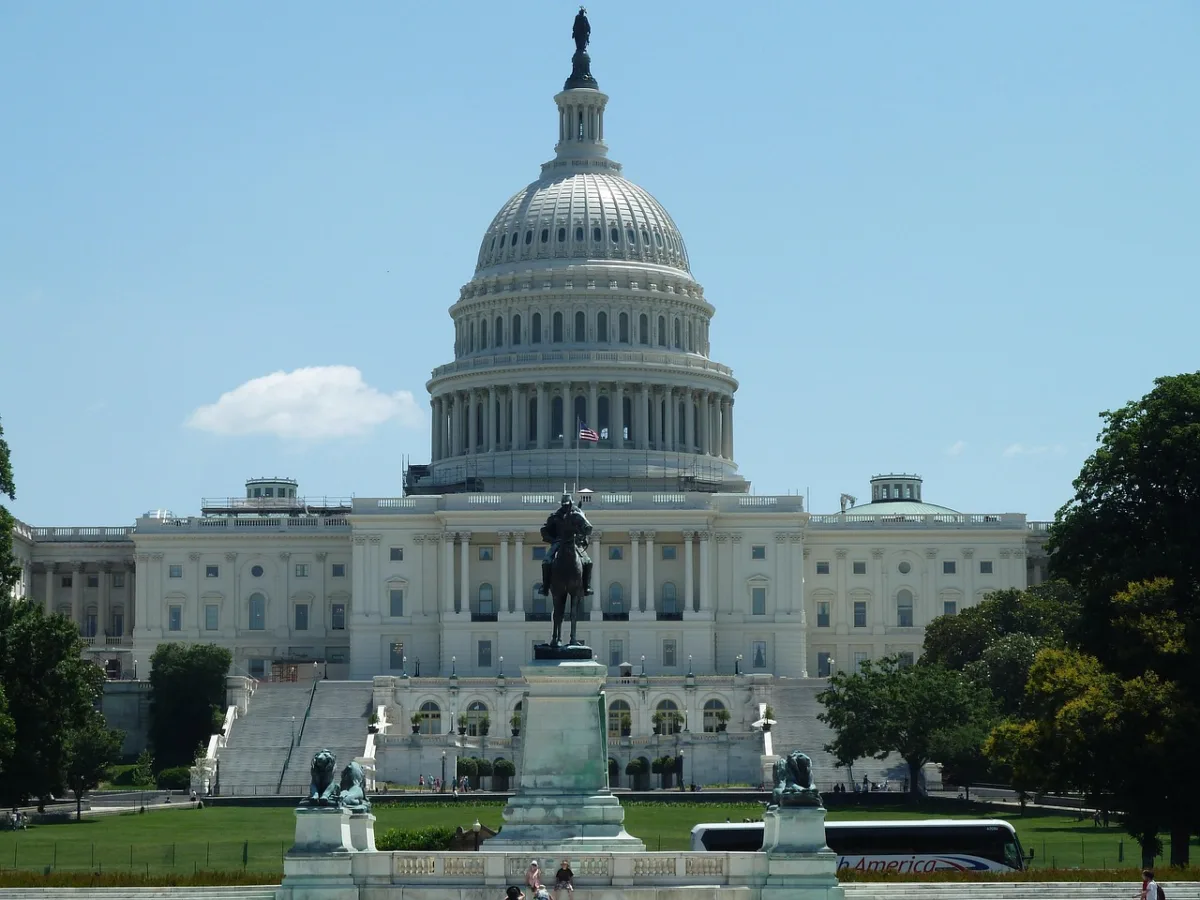
House Speaker Kevin McCarthy faces a critical test of leadership this week in Washington as he attempts to navigate a looming debt ceiling crisis that threatens to destabilize the U.S. economy. The standoff, which pits the Republican-led House against the Biden administration, arrives at a moment of heightened political fragmentation, with internal party pressures and early 2024 presidential maneuvering complicating the legislative landscape.
The Debt Ceiling Standoff
The core of the current tension lies in the impending exhaustion of the federal government’s borrowing authority. Treasury Secretary Janet Yellen has warned that the government could run out of ways to pay its bills as early as this summer, necessitating a swift increase in the debt ceiling.
Speaker McCarthy has insisted that any increase must be paired with significant spending cuts. Conversely, President Biden has maintained that the debt ceiling should be raised without preconditions, arguing that the nation’s creditworthiness should not be used as a political bargaining chip.
Shifting Political Alignments
Simultaneously, the Republican Party is experiencing a period of intense internal realignment. Florida Governor Ron DeSantis has made high-profile visits to the capital, signaling a strategic effort to consolidate support among lawmakers and donors who are looking for alternatives to former President Donald Trump.
This shift comes as other potential contenders, including former New Jersey Governor Chris Christie, weigh their own bids for the White House. Political analysts suggest that the GOP is currently engaged in a deep debate over its future direction, with some factions arguing that moving beyond the influence of the former president is a prerequisite for electoral success in 2024.
Legislative and Cultural Tensions
Beyond the fiscal debate, the political atmosphere in Washington is further strained by regional controversies. Recent legislative actions in Tennessee have sparked national discourse regarding state-level governance and the role of partisan discipline, echoing concerns that the political fire spreading from statehouses to the federal level could lead to further gridlock.
According to recent polling from the Pew Research Center, public trust in federal institutions remains near historic lows. This skepticism complicates the ability of leadership to find bipartisan consensus on complex issues like federal debt and budget allocations.
Implications for the Future
For the average American, the current impasse poses a significant risk. Economists at Goldman Sachs have warned that a failure to reach an agreement could trigger a sharp decline in consumer confidence and increased borrowing costs for families across the country.
Looking ahead, observers should monitor the upcoming negotiations between the White House and Congressional leadership for signs of a short-term stopgap measure. The ability of Speaker McCarthy to manage his caucus while engaging with the White House will likely serve as a bellwether for the remainder of the congressional session. Market stability and the viability of various 2024 presidential campaigns will remain tethered to these high-stakes discussions throughout the coming months.