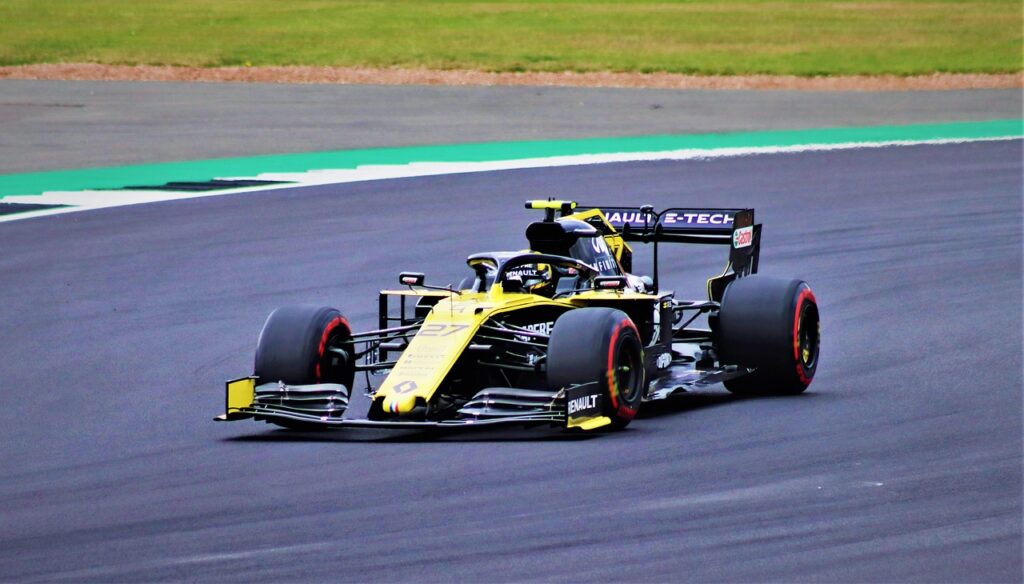

Rising motorsport sensation Kimi Antonelli secured a decisive victory in the sprint race and claimed pole position at the British Grand Prix this past weekend, signaling a seismic shift in the Formula 1 landscape. The young prodigy outperformed a grid of seasoned veterans at Silverstone, effectively cementing his status as the sport’s most promising newcomer.
A New Era of Competition
The performance comes as the F1 community observes a broader transformation in competitive dynamics. Antonelli’s ability to navigate the demanding high-speed corners of the British circuit under intense pressure has drawn comparisons to the sport’s legendary figures during their debut years.
Technical analysts point to the precision of his car setup and tire management as the primary catalysts for his sprint success. These metrics suggest that the gap between established frontrunners and emerging talent is narrowing faster than industry projections anticipated.
The Hamilton Factor
Parallel to Antonelli’s rise, Lewis Hamilton has regained his competitive edge, mounting a serious challenge for race wins once again. This resurgence follows his breakthrough victory at the Barcelona-Catalunya Grand Prix last month, which marked his first win since his high-profile transition to Ferrari.
Hamilton’s return to the podium is significant for both his team and his legacy. Data from the Barcelona race indicated a refined aerodynamic efficiency in his vehicle, which allowed him to maintain pace during the final laps despite heavy degradation.
Technical and Tactical Shifts
Industry experts emphasize that the current season is defined by rapid engineering developments. Teams are deploying updates at an unprecedented frequency, often changing the car’s handling characteristics between practice sessions.
According to recent telemetry data, the midfield pack has compressed significantly, making qualifying sessions more volatile. This volatility provides a unique platform for drivers like Antonelli to exploit gaps in strategy that more conservative teams might overlook.
Industry Implications
For the broader F1 ecosystem, these developments suggest a transition toward a more meritocratic grid where experience is being challenged by raw, data-backed adaptability. Stakeholders are now closely monitoring how traditional power dynamics will hold up under the pressure of these new, aggressive driving styles.
Looking ahead, the focus shifts to how veteran drivers will adjust their defensive strategies to counter the unpredictable maneuvers of the new generation. Observers should keep a close watch on the upcoming mid-season upgrades, as they will likely dictate whether the current performance balance remains stable or shifts toward a new hierarchy by the end of the calendar year.