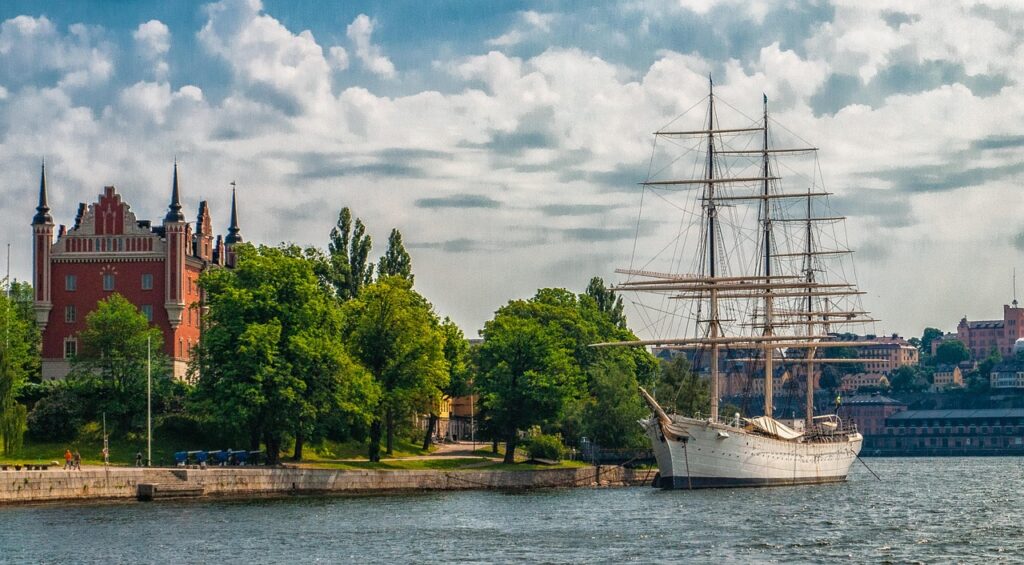

A historic brass bell rang out across the harbor this past Saturday, signaling the commencement of the annual Tall Ships Parade in downtown maritime districts. Thousands of spectators gathered along the waterfront to witness a fleet of restored 19th-century vessels navigating the channel, an event that serves as both a cultural tradition and a significant educational outreach initiative for local maritime museums.
The Legacy of Maritime Preservation
The tradition of the Tall Ships Parade dates back several decades, established to celebrate the region’s deep-seated history as a bustling port city. These vessels, many of which date back to the late 1800s, require extensive maintenance and specialized craftsmanship to remain seaworthy. Organizations like the Maritime Heritage Trust invest millions annually to preserve these artifacts, ensuring that the rigging, hulls, and authentic bells remain functional for public displays.
A Symphony of Nautical History
The ringing of the bell, an authentic relic salvaged from a decommissioned merchant ship, carries significant symbolic weight for the crew members participating in the parade. Beyond the pageantry, the event provides a rare opportunity for the public to board the ships and observe historical navigation techniques firsthand. Marine historians note that the preservation of these ships is vital for understanding the evolution of global trade and the labor conditions faced by sailors in the pre-industrial era.
Expert Perspectives on Nautical Heritage
“The sound of a ship’s bell is more than just a signal; it is an auditory connection to the past,” explains Dr. Elena Vance, a senior curator at the National Maritime Museum. According to recent data from the International Congress of Maritime Museums, interest in heritage sailing has seen a 15% increase in attendance over the last three years. This trend is attributed to a growing public interest in tangible history and authentic, tactile experiences in an increasingly digital world.
Economic and Cultural Implications
The influx of tourists during the parade weekend provides a substantial economic boost to local businesses, with hospitality and retail sectors reporting record-breaking revenue. For the maritime industry, the event serves as a platform to recruit the next generation of shipwrights and conservationists. By showcasing the beauty and complexity of traditional shipbuilding, organizations hope to secure funding for future restoration projects that are currently stalled due to rising material costs.
The Horizon of Maritime Education
Looking ahead, the focus for maritime organizers will shift toward expanding digital access to ship archives, allowing those who cannot attend in person to explore the vessels through virtual reality. The industry is also watching closely as new environmental regulations regarding harbor water quality may force organizers to adjust parade routes in the coming years. As the fleet grows older, the challenge of balancing historical authenticity with modern safety standards will remain the primary hurdle for curators and captains alike.