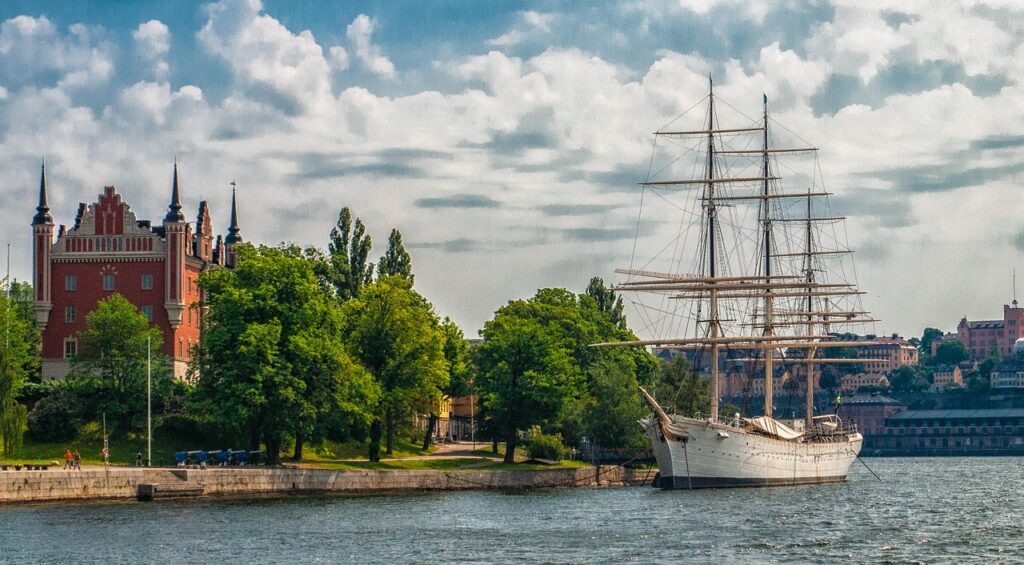

Spectators lining the harbor front witnessed a rare maritime spectacle this past weekend as the annual Tall Ships Parade reached its emotional crescendo with the ceremonial ringing of a historic ship’s bell. The event, which drew thousands to the waterfront, served as a living tribute to the region’s deep-rooted nautical heritage, marking a significant moment of preservation for maritime historians and enthusiasts alike.
A Legacy Preserved in Bronze
The bell, recovered from a merchant vessel dating back to the late 19th century, was integrated into the parade’s flagship to highlight the ongoing efforts of the Maritime Heritage Foundation. For decades, the organization has worked to restore artifacts that would otherwise be lost to the corrosive effects of time and saltwater.
Restoration experts spent nearly eighteen months cleaning and stabilizing the artifact to ensure its structural integrity for the public display. The bell’s tolling, which has not been heard in over a century, was synchronized with the passing of the lead vessel, creating a poignant bridge between the modern era and the golden age of sail.
The Logistics of Maritime Pageantry
Organizing a parade of this magnitude requires precise coordination between local port authorities, the Coast Guard, and private ship owners. This year’s event featured over thirty vessels, ranging from small schooners to massive square-rigged ships that require deep-water channels to navigate safely.
According to Port Authority data, the parade contributed an estimated $4.2 million to the local economy through tourism and hospitality spending. The inclusion of the historic bell added a layer of historical significance that organizers believe will boost attendance for future iterations of the festival.
Expert Perspectives on Maritime Preservation
Dr. Elena Vance, a maritime historian at the National Institute of Nautical Studies, noted that such events are crucial for public engagement with history. “When people hear the physical sound of an artifact that helped guide sailors through dangerous waters, the history stops being abstract and becomes visceral,” Vance said.
Data from the International Council on Maritime Museums suggests that interactive exhibits and live demonstrations increase visitor retention by nearly 40% compared to traditional static displays. The ringing of the bell serves as a prime example of ‘living history,’ a pedagogical approach that prioritizes sensory experience over mere observation.
Future Implications for the Industry
The success of the parade indicates a growing public appetite for authentic historical experiences. Industry analysts suggest that this trend will likely lead to increased funding for maritime museums and ship restoration projects across the country.
Looking ahead, observers should watch for how regional maritime boards integrate these historic artifacts into modern tourism infrastructure. As the industry evolves, the challenge will remain balancing the necessary safety protocols of modern port operations with the delicate preservation requirements of the vessels and equipment that define our maritime past.