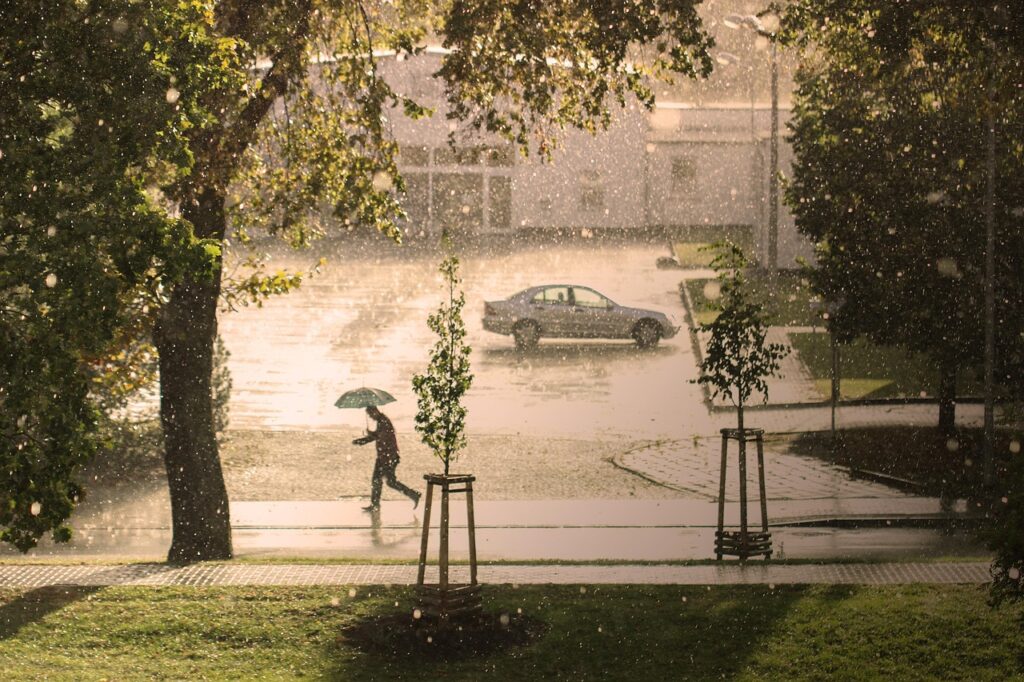

Millions of Americans gathered across the nation on July 4th to celebrate the country’s 250th birthday, but festivities in major hubs like Washington, D.C. were significantly disrupted by a combination of life-threatening heat waves and severe thunderstorms. As families flocked to public parks and national monuments, local authorities issued urgent warnings, forcing organizers to balance long-standing holiday traditions with the immediate necessity of public safety.
Context of the Climate Crisis
The convergence of July 4th celebrations and extreme weather events is becoming an increasingly common challenge for event planners. Climate data from the National Oceanic and Atmospheric Administration (NOAA) indicates that July consistently ranks as one of the hottest months of the year, with heat-related illness rates climbing steadily over the last decade. Rising global temperatures have intensified these patterns, creating volatile atmospheric conditions that can shift from record-breaking heat to violent, localized storm cells in a matter of hours.
The Dual Threat: Heat and Storms
In the nation’s capital, temperatures soared into the high 90s, triggering heat advisories that urged participants to seek shade and remain hydrated. The National Weather Service (NWS) emphasized that heat index values—which account for humidity—reached levels considered dangerous for vulnerable populations, including the elderly and young children. These conditions created a hazardous environment for outdoor gatherings, leading to a surge in medical calls at public events.
Simultaneously, a cold front moving across the Mid-Atlantic region introduced the risk of severe thunderstorms. Meteorology experts, including those from the NWS, noted that high surface temperatures fueled the intensity of these storms, which brought the threat of lightning, damaging winds, and flash flooding. The unpredictability of these weather patterns forced many municipalities to delay fireworks displays or cancel outdoor concerts entirely to prevent potential injuries from falling debris or lightning strikes.
Expert Perspectives and Data
Public health officials have cited the importance of localized emergency planning during high-traffic holidays. According to data from the Centers for Disease Control and Prevention (CDC), heat-related emergencies spike during major outdoor events where alcohol consumption and physical exertion are common. Emergency medical responders were deployed in increased numbers to staging areas throughout major cities to handle the uptick in heat-exhaustion cases reported throughout the afternoon.
Meteorologists point to the