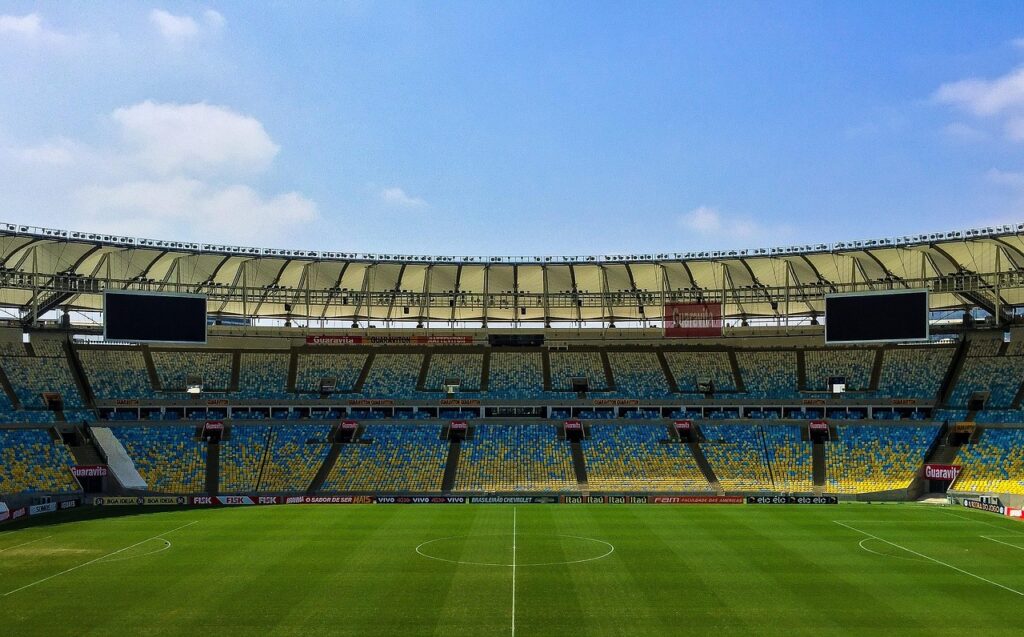

A highly anticipated FIFA World Cup Round of 16 match between Mexico and England faced an unexpected one-hour delay today in Mexico City due to a severe localized storm. Tournament officials officially paused proceedings just minutes before the scheduled kickoff, citing safety concerns for both players and the capacity crowd as lightning and heavy rainfall inundated the stadium pitch.
Context of the Tournament
Mexico entered the Round of 16 riding a wave of unprecedented momentum, having maintained a flawless defensive record throughout the group stages. Across four matches, the host nation has not conceded a single goal, a feat that has solidified their status as a tournament favorite. The team’s ability to leverage home-ground advantage has been a recurring theme, with fans providing an intense, high-pressure environment that has seemingly rattled opposing squads.
Atmospheric Disruption
The decision to delay the match was made in accordance with FIFA’s strict weather protocols, which mandate a suspension of play when lightning strikes within a certain radius of the venue. Meteorologists on-site reported that a fast-moving convective system swept through the capital, bringing not only torrential rain but also high-velocity winds that threatened the integrity of temporary broadcast structures.
While the delay disrupted the broadcast schedule for global television partners, officials emphasized that player welfare remained the primary objective. Grounds crews worked frantically during the window to clear standing water from the turf, ensuring the surface remained playable once the storm cell passed.
Expert Perspectives
Sports analysts have noted that such breaks in momentum can significantly impact the psychology of elite athletes. “A sixty-minute delay in a high-stakes knockout match changes the entire physiological preparation,” said Dr. Elena Vance, a sports performance specialist. “Players must manage their adrenaline spikes, effectively warming up twice while trying to maintain the tactical focus required to break down a defense as organized as Mexico’s.”
Data provided by tournament statisticians highlights that Mexico’s defensive efficiency is currently at a ten-year high for the World Cup. Their disciplined backline has successfully neutralized star-studded attacks, making the prospect of this match against England—a team known for its aggressive transition play—a critical test for the hosts.
Future Implications
The immediate concern for organizers is the potential for further weather volatility as the tournament progresses toward the quarter-finals. If the storm system lingers over the region, FIFA may be forced to consider contingency scheduling to prevent further disruptions to the bracket.
For fans and stakeholders, the incident serves as a reminder of the logistical challenges inherent in hosting major international sporting events during volatile meteorological seasons. As the match resumes, observers will be watching closely to see if the forced rest period helps England’s offensive rhythm or if Mexico’s defensive machine remains as impenetrable as it has been throughout the tournament. The coming hours will determine which team effectively manages the disruption to secure a path to the final eight.