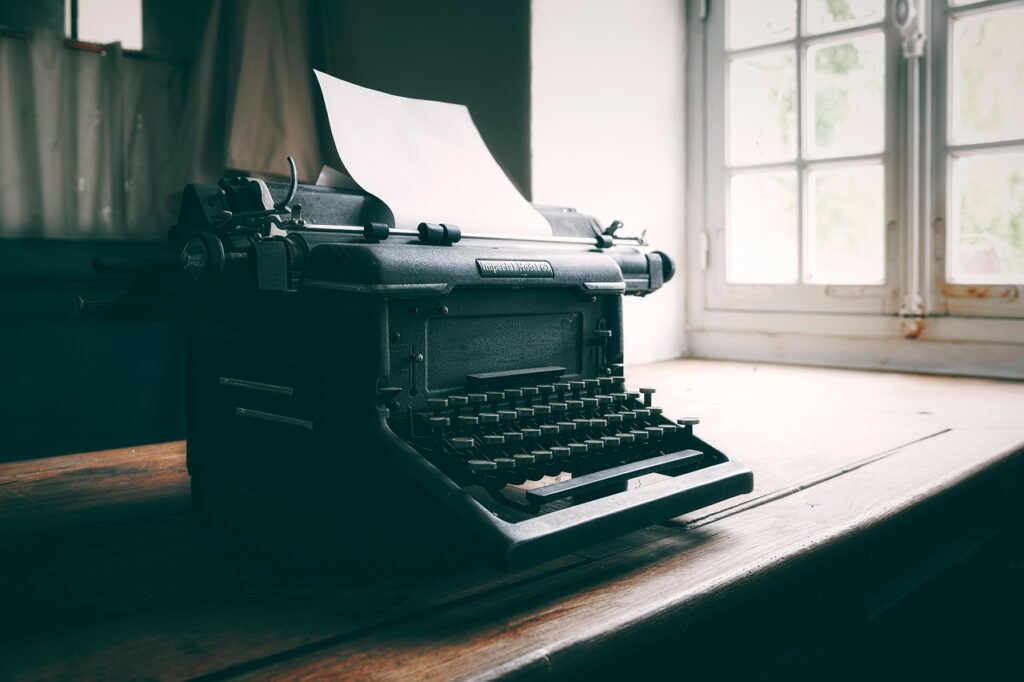

In the bustling tech hub of Bengaluru, India, Lakshmi Narayan is waging a quiet, mechanical war against digital obsolescence. For over three decades, the master technician has dedicated his life to repairing and maintaining manual typewriters, serving a niche but loyal clientele that includes writers, lawyers, and nostalgic enthusiasts who refuse to abandon the tactile precision of ink on paper.
The Digital Shift and the Analog Hangover
The global decline of the typewriter began in the 1980s with the advent of personal computers and word processing software. As digital interfaces replaced mechanical keys, typewriter manufacturers shuttered their factories, leaving a generation of machines without spare parts or qualified technicians. Bengaluru, often dubbed the ‘Silicon Valley of India,’ accelerated this transition, moving rapidly toward a paperless, cloud-based economy.
However, Narayan’s workshop remains a temporal anomaly in a city defined by its rapid modernization. He operates out of a modest space, surrounded by the skeletal remains of Remington, Godrej, and Olivetti machines. His work involves the delicate art of realigning typebars, replacing worn-out ribbons, and cleaning intricate gears that have not seen movement in years.
A Craft Beyond Mere Repair
Narayan views his work not merely as a service, but as the preservation of an essential human connection to the written word. He argues that the typewriter forces a level of deliberation that digital screens often undermine. Every keystroke is a commitment, requiring the user to think before they act—a stark contrast to the ‘delete and rewrite’ culture of modern computing.
The demand for his services has seen a surprising uptick in recent years. Data from niche stationery retailers suggests a global resurgence in analog writing tools, with typewriter sales among collectors rising steadily since 2020. This trend, often attributed to ‘digital fatigue,’ sees professionals seeking devices that offer a distraction-free environment and a sensory experience that touchscreens cannot replicate.
Expert Perspectives on the Analog Revival
Cultural historians suggest that the return to typewriters is part of a broader reaction against the ephemeral nature of digital content. Dr. Aruna Kulkarni, a professor of media studies, notes that the physical weight and sound of a typewriter provide a ‘haptic feedback loop’ that increases cognitive engagement. For many, the machine serves as a tool for focus, effectively removing the temptation of internet notifications and multitasking.
Narayan’s technical expertise is now a rare commodity. He maintains an inventory of vintage parts salvaged from decommissioned machines, acting as a one-man supply chain for the city’s remaining mechanical writers. His ability to diagnose a faulty carriage return by sound alone is a skill that has effectively vanished from the mainstream workforce.
Implications for the Future of Writing
The persistence of the typewriter in a digital age suggests that technological progress does not always equate to the total replacement of older methods. For the industry, this signals a growing market for ‘slow technology’—devices designed to be repaired rather than replaced. As sustainability becomes a core concern for consumers, the durability of these mid-century machines offers a compelling alternative to the planned obsolescence of modern consumer electronics.
Looking ahead, the challenge for Narayan and his peers lies in knowledge transfer. With few young apprentices showing interest in the intricate mechanics of manual typewriters, the survival of the craft remains precarious. Observers should watch for a potential rise in ‘analog cafes’ and writing cooperatives that leverage these machines to attract customers seeking a retreat from the hyper-connected digital landscape.