
Background of the Diplomatic Tension
Tensions between Algeria and the United Arab Emirates have escalated significantly, culminating in a complete severance of diplomatic ties. Following this breakdown in bilateral relations, government authorities announced a strict ban affecting aviation between the two nations. This measure marks a critical juncture in regional geopolitics, reflecting deep-seated disagreements on key foreign policy matters.
Implementation of the Airspace Ban
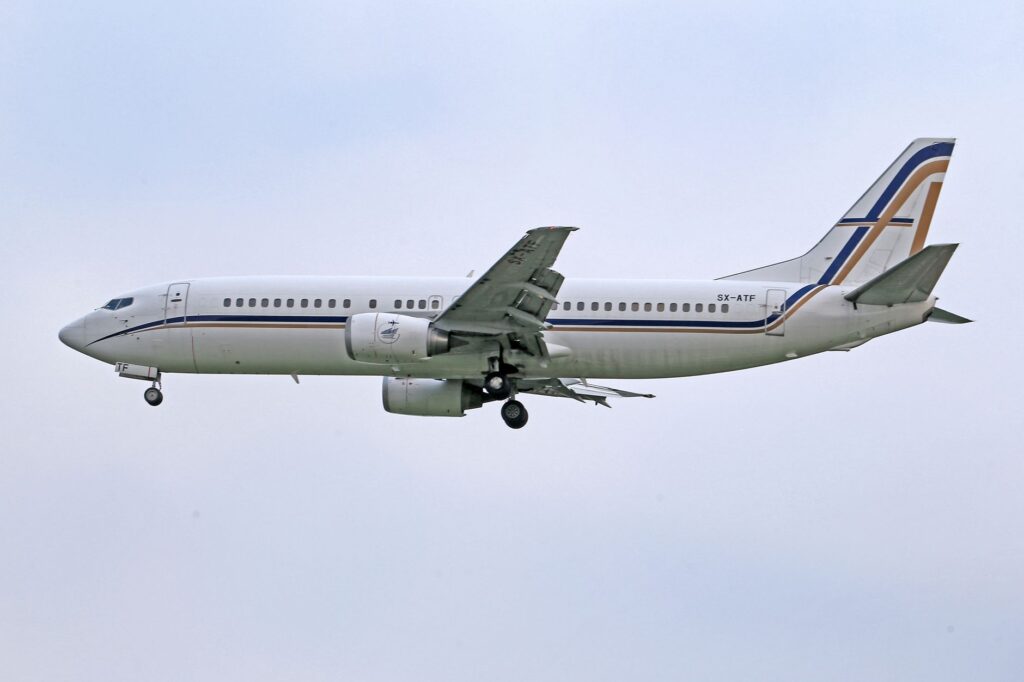
As part of the fallout from the diplomatic crisis, the Algerian administration enacted an immediate closure of its national airspace to all aircraft originating from or registered in the United Arab Emirates. Aviation authorities have circulated operational directives to regional hubs, ensuring that commercial and private flights comply fully with the newly instituted restriction. Airlines operating routes that typically traverse Algerian skies are now forced to reroute, adding travel time and operational expenses to their journeys.
Impact on Regional Stability and Aviation
The abrupt termination of diplomatic relations and the subsequent aviation restrictions carry substantial implications for North African and Middle Eastern diplomacy. International observers are closely monitoring the situation to gauge potential economic and political consequences for both governments. The disruption in air connectivity serves as a clear indicator of the deteriorating state of affairs between the two capitals, raising concerns among neighboring states regarding long-term regional stability.
Future Outlook and Diplomatic Channels
At present, communication channels between Algeria and the United Arab Emirates remain severely constrained. Analysts suggest that resolving the underlying disputes will require extensive mediation by third-party nations interested in de-escalating the crisis. Until diplomatic dialogue is successfully restored, the restrictions on airspace and bilateral exchanges are expected to remain firmly in place, continuing to reshape travel patterns and diplomatic alignments across the region.