
The New Frontier of Geopolitical Competition
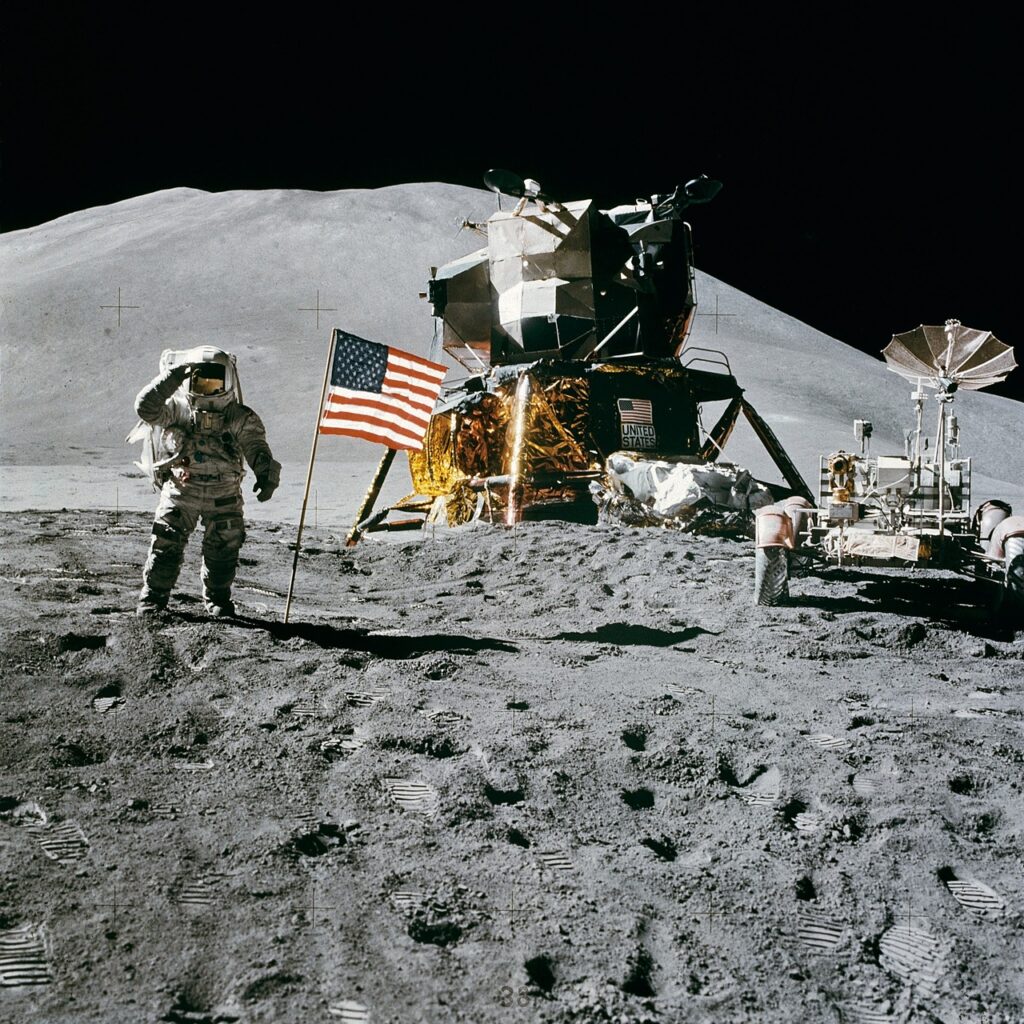
NASA Administrator Bill Nelson declared this week that the United States is currently engaged in a high-stakes space race against China, as both nations accelerate efforts to establish a long-term human presence on the lunar surface. Speaking before congressional committees, Nelson emphasized that the geopolitical stakes in space are higher than ever, with Beijing aggressively advancing its lunar exploration capabilities to challenge American dominance in extraterrestrial discovery.
Understanding the Lunar Ambitions
The current competition centers on the Artemis program, NASA’s multi-billion dollar initiative to return humans to the moon for the first time since 1972. While the United States views the moon as a testing ground for future missions to Mars, China has outlined a parallel roadmap that includes landing its own astronauts on the lunar surface by 2030. The race is not merely about scientific exploration; it is about establishing infrastructure, such as power grids and communication networks, in resource-rich areas like the lunar south pole.
The Strategic Landscape of Space Exploration
The shift in space exploration from international cooperation to national competition reflects broader shifts in global power dynamics. NASA’s current strategy relies heavily on the Space Launch System (SLS) and partnerships with private aerospace companies like SpaceX to maintain cost efficiency and technological superiority. Conversely, China’s state-funded model has demonstrated rapid progress through the Chang’e series of robotic missions, which have successfully returned lunar samples to Earth and mapped complex terrain.
Defense experts note that the “space race” terminology is driven by concerns over dual-use technologies. Equipment designed for scientific research on the moon could theoretically be repurposed for satellite interference or the surveillance of orbital assets. The Pentagon’s Space Force has increasingly expressed concern regarding China’s rapid deployment of maneuvering satellites, which could potentially threaten vital U.S. infrastructure in low Earth orbit.
Expert Perspectives on Strategic Parity
Dr. Namrata Goswami, an expert on space policy, notes that China’s methodical approach is designed to build a sustainable alliance system that rivals the U.S.-led Artemis Accords. “China is not just seeking to plant a flag; they are building a coalition that includes various international partners, effectively creating a new lunar order,” she stated. According to NASA’s recent budget briefings, the agency estimates that China’s sustained investment in deep space capabilities has increased by nearly 20% annually over the last five years, narrowing the technological gap that once favored the U.S. significantly.
Implications for the Future
This escalating rivalry will likely dictate the trajectory of international space law and the governance of lunar resources for decades to come. As the U.S. and China race to occupy strategic positions at the lunar south pole, the lack of a formal, binding agreement on resource extraction and territory management remains a critical diplomatic hurdle. Observers should look toward the upcoming Artemis III mission schedule and China’s next series of heavy-lift rocket tests as key indicators of which nation will reach the next major milestone in lunar habitation first.