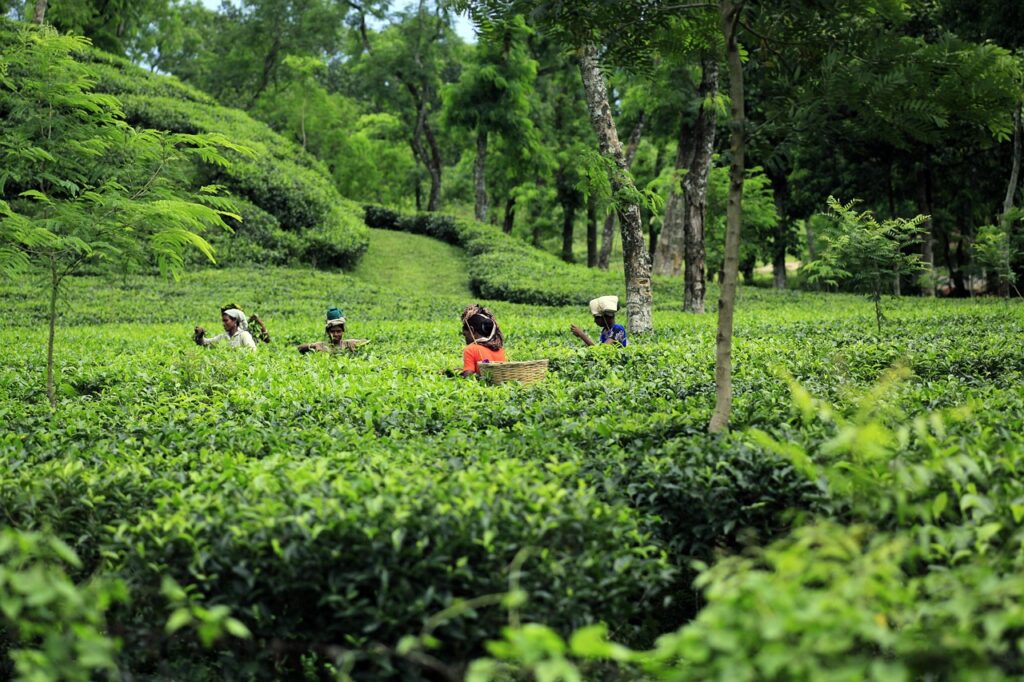

Strategic Financial Injection for West Bengal’s Tea Industry
The West Bengal government has unveiled a comprehensive financial package of ₹313 crore dedicated to the revitalization of the state’s historic tea garden sector. This initiative, implemented under the Pradhan Mantri Cha Shramik Protsahan Yojana (PMCSPY), aims to address chronic infrastructure deficits and improve the socio-economic conditions of plantation workers across North Bengal. By channeling these funds into healthcare, housing, and essential services, the state government intends to stabilize a sector that has long faced economic volatility and labor unrest.
Understanding the Historical Context
West Bengal’s tea gardens, particularly those in the Darjeeling, Terai, and Dooars regions, have historically served as the backbone of the local economy. However, the industry has struggled with aging infrastructure, fluctuating global tea prices, and inadequate access to basic amenities for its vast workforce. For decades, unions have highlighted the lack of medical facilities as a primary driver of poverty and health crises within these isolated estates. This new allocation represents a shift toward government-led intervention to rectify these systemic shortcomings.
Breakdown of the Financial Allocation
A significant portion of the funding, totaling ₹72 crore, is explicitly earmarked for the modernization of health facilities. This investment will facilitate the upgrade of existing plantation clinics and the establishment of new medical units capable of handling emergency care. The remainder of the ₹313 crore is designated for infrastructure development, including road connectivity, drinking water access, and sanitation projects within the garden peripheries. By focusing on these core areas, the state hopes to reduce the operational burden on private garden owners while improving the daily lives of thousands of workers.
Expert Perspectives and Industry Data
Economic analysts point out that the financial health of the tea industry is inextricably linked to the well-being of its human capital. Data from the Tea Board of India suggests that productivity levels in gardens with better social infrastructure are consistently higher than in neglected estates. Industry experts note that while ₹313 crore is a substantial start, the long-term sustainability of these gardens will depend on private sector compliance and market demand. Labor advocates argue that the success of this program hinges on transparency in fund distribution and the active participation of worker cooperatives.
Implications for the Future
The rollout of this funding package signals a transition toward state-supported stabilization for the tea sector. For the thousands of families residing in these estates, the immediate impact will likely be seen in improved access to primary healthcare services. Industrially, the initiative may serve as a blueprint for public-private partnerships in rural agricultural zones. Observers should monitor the pace of infrastructure implementation over the next fiscal quarter to determine if these projects meet the specified quality benchmarks. Future policy discussions will likely focus on whether this initial capital infusion is sufficient to drive long-term structural reform or if additional subsidies will be required to maintain global competitiveness.