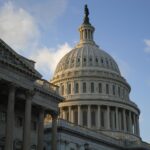

Washington, D.C., and surrounding suburbs faced a severe environmental crisis on July 5 as air quality plummeted to “very unhealthy” levels, triggering a rare “purple” alert from regional environmental agencies. The spike in fine particulate matter, known as PM2.5, followed widespread Independence Day celebrations, where thousands of personal and professional fireworks displays released dense clouds of pollutants into the stagnant evening air.
The Mechanics of Post-Holiday Smog
The sudden degradation of air quality is a recurring phenomenon linked to pyrotechnics, which utilize metallic salts and chemical compounds to create vibrant colors. When ignited, these devices release significant quantities of smoke and dust particles that linger in the lower atmosphere.
Meteorological conditions on the night of July 4th exacerbated the issue, as low wind speeds and a temperature inversion trapped the pollutants near the ground. According to the Environmental Protection Agency (EPA), PM2.5 particles are small enough to bypass the body’s natural defenses, reaching deep into the lungs and entering the bloodstream.
Health Risks and Public Safety Warnings
Local health officials issued urgent guidance to residents, particularly those with pre-existing respiratory conditions such as asthma or chronic obstructive pulmonary disease. The “purple” designation on the Air Quality Index (AQI) indicates that the entire population is likely to be affected, with sensitive groups facing serious health risks.
Data from local air monitoring stations showed AQI readings exceeding 200 in several districts, surpassing the threshold for “hazardous” alerts in some localized zones. Physicians advised residents to avoid strenuous outdoor activities and to keep windows closed until the particulate levels subsided.
The Impact of Urban Pyrotechnics
Environmental scientists note that while industrial activity and vehicular emissions are primary drivers of long-term air pollution, short-term spikes related to festive events demonstrate the fragility of urban air quality. The density of fireworks in the D.C. metropolitan area concentrated the pollutants within a relatively confined geographic space, intensifying the impact on public health.
“Fireworks contribute a massive, albeit temporary, surge in toxic particulates,” noted a representative from the regional air quality board. The sudden influx of smoke forced many residents to curtail their outdoor celebrations earlier than planned, highlighting a growing tension between traditional holiday festivities and public health standards.
Future Implications and Monitoring
As municipalities across the United States grapple with balancing cultural traditions and environmental safety, the events in Washington may prompt a shift in how cities manage future public displays. Experts suggest that cities may look toward implementing drone light shows as a cleaner, non-combustive alternative to traditional fireworks.
Looking ahead, observers should watch for potential policy changes regarding the regulation of consumer-grade fireworks in high-density urban areas. Continued monitoring of particulate spikes following major holidays will likely influence future municipal permitting processes and public health communication strategies during high-risk weather windows.