
Diplomatic Shift at NATO Summit
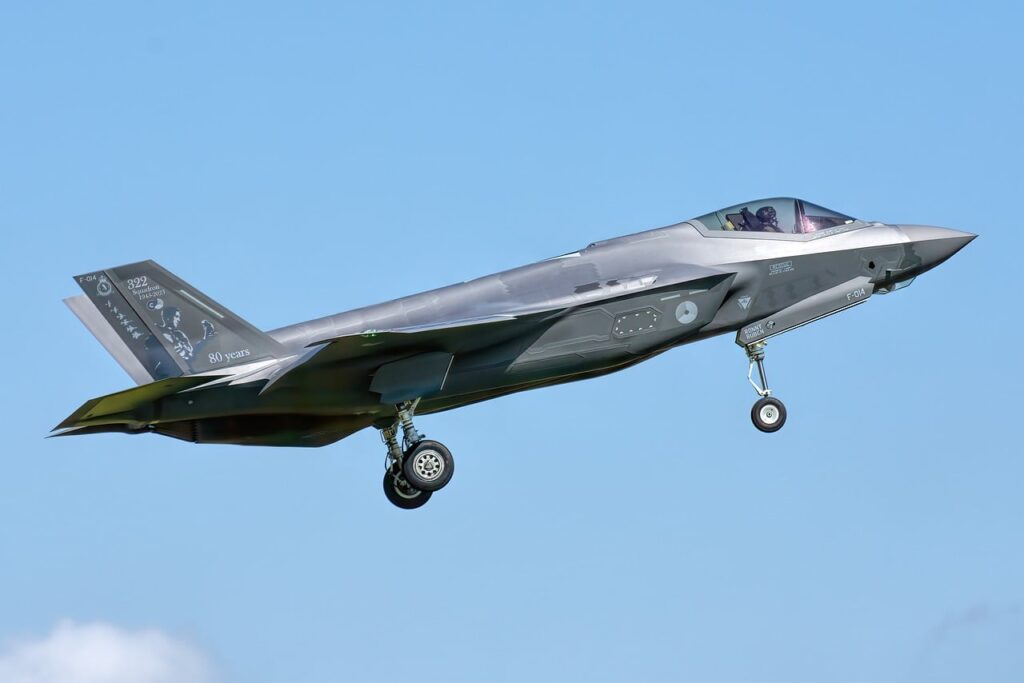
President Trump is expected to signal a readiness to restore Turkey’s access to the F-35 fighter jet program during this week’s NATO summit in Ankara. The move marks a significant pivot from the administration’s previous hardline stance, which saw the North Atlantic Treaty Organization member suspended from the multi-billion dollar project in 2019.
The reversal comes as the administration seeks to recalibrate security alliances in an increasingly volatile geopolitical landscape. By revisiting the suspension, the White House aims to mend frayed ties with a crucial regional partner while navigating the complexities of regional defense dynamics.
The Roots of the F-35 Dispute
The original ban was implemented by the Trump administration following Turkey’s procurement of the Russian S-400 missile defense system. U.S. officials argued at the time that the integration of Russian radar technology could compromise the stealth capabilities of the F-35 fleet, creating a critical vulnerability for the entire NATO alliance.
Turkey, a long-standing partner in the F-35 Joint Strike Fighter program, had invested heavily in the development and manufacturing of jet components. The subsequent expulsion resulted in the removal of Turkish defense firms from the supply chain and left the Turkish Air Force without the advanced aircraft it had originally planned to integrate into its national defense infrastructure.
Navigating Security and Sovereignty
The potential restoration of access involves a delicate balancing act regarding technological security. Military analysts note that any reintegration would likely require stringent oversight to ensure that American intelligence and stealth protocols remain insulated from non-NATO hardware.
“The geopolitical calculus has shifted significantly since 2019,” says Dr. Elena Rossi, a senior fellow at the Center for International Security. “The administration appears to be weighing the risk of Russian intelligence exposure against the strategic imperative of keeping Turkey firmly within the Western security orbit.”
Data from the Stockholm International Peace Research Institute (SIPRI) indicates that Turkey remains a major player in regional arms trade, maintaining one of the largest standing armies in the alliance. Supporters of the deal argue that denying Turkey these assets has inadvertently pushed the nation to explore defense partnerships with non-Western powers.
Implications for the Defense Industry
For the U.S. defense sector, a reversal could lead to a reintegration of Turkish manufacturing partners into the global F-35 supply chain. Industry leaders are closely watching the negotiations, as the sudden removal of Turkish suppliers previously caused significant logistical bottlenecks and cost increases within the production program.
Beyond manufacturing, the move signals a broader diplomatic thaw that could influence future arms sales and intelligence-sharing agreements. If the administration successfully negotiates a path forward, it may serve as a blueprint for resolving similar defense disputes with other NATO allies who have sought diversified military procurement options.
Observers will be monitoring the upcoming bilateral meetings in Ankara for specific conditions attached to the potential restoration. Watch for announcements regarding the status of the S-400 systems and whether Turkey will agree to specific ‘firewall’ protocols that allow for the safe operation of both Russian and American defense technologies in the same theater.