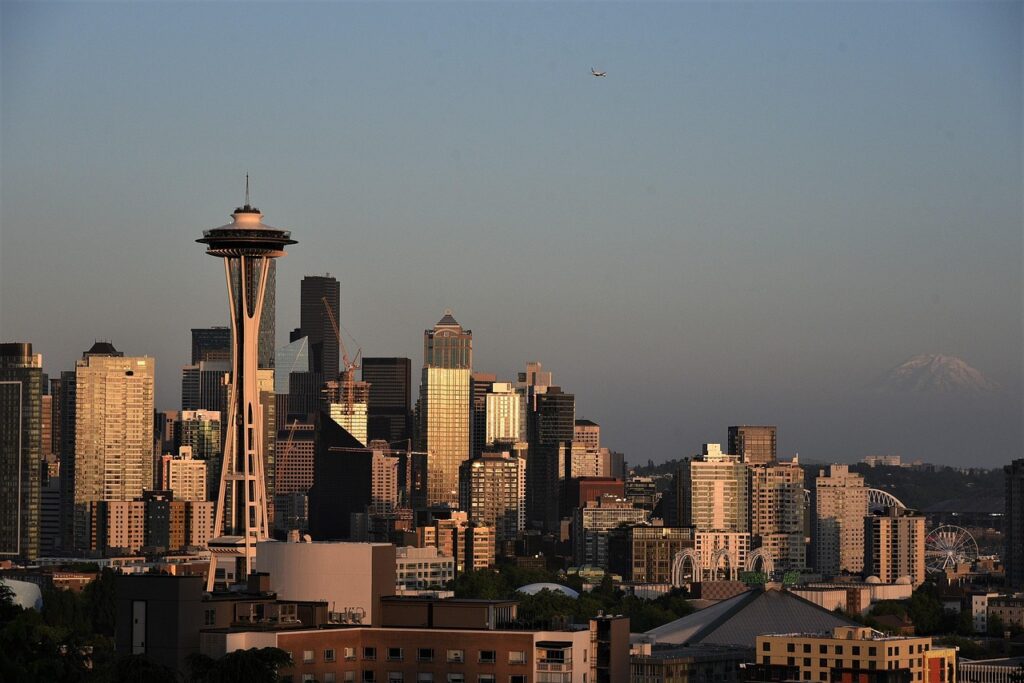

Seattle’s downtown core experienced a dramatic surge in foot traffic and economic activity throughout June and July as the city hosted major matches during the FIFA World Cup. Following years of post-pandemic stagnation caused by the rise of remote work and business closures, the influx of international soccer fans transformed the city center into a vibrant hub of tourism and commerce. This temporary revitalization has sparked an urgent debate among city officials and business leaders regarding whether the temporary boost can be harnessed into a permanent recovery for the city’s economic heart.
The Long Road to Recovery
Before the tournament, downtown Seattle struggled to regain the momentum it lost in 2020. Data from the Downtown Seattle Association indicated that office occupancy rates remained significantly below pre-pandemic levels, leaving many retail storefronts shuttered and public spaces underutilized.
The shift to hybrid work models permanently altered the daily patterns of thousands of commuters. Without a steady stream of office workers, the ecosystem of coffee shops, restaurants, and service providers that defined the city’s urban identity faced an existential threat.
The World Cup Catalyst
The arrival of the World Cup provided an immediate, quantifiable injection of energy into the downtown landscape. Thousands of international visitors poured into the streets, filling hotels, bars, and public viewing areas, effectively masking the lingering vacancy issues that have haunted the district for months.
Local business owners reported record-breaking revenue during match days. According to preliminary figures from the Seattle Metropolitan Chamber of Commerce, hospitality spending in the downtown core spiked by nearly 40% compared to the same period in previous years.
Expert Insights on Urban Revitalization
Urban planners note that while major sporting events provide a short-term stimulus, they do not inherently solve structural urban problems. Dr. Elena Vance, an urban economics researcher, emphasizes that temporary spikes in tourism often mask underlying issues rather than fixing them.
“The World Cup is a proof of concept that people still want to engage with downtown Seattle if there is a compelling reason to be there,” Vance said. “However, the challenge lies in transitioning from event-based tourism to a sustainable, resident-and-worker-focused economy.”
Long-Term Structural Implications
For city leaders, the focus is now shifting toward infrastructure and safety to maintain the momentum. The city council has begun discussions on extending the temporary security and cleaning measures that were implemented specifically for the tournament.
Retailers remain cautious, noting that a month of high traffic does not guarantee a full rebound in long-term commercial leases. The primary concern remains the office sector, as major tech employers continue to navigate the complexities of returning to the office.
What to Watch Next
The coming months will be critical as the city evaluates the impact of the tournament on tax revenue and business retention. Observers should watch for new municipal zoning initiatives aimed at converting vacant office space into residential units, a strategy that many see as the most viable path to long-term downtown stability. Whether this surge in activity translates into a permanent shift in urban behavior remains the central question for Seattle’s economic future.