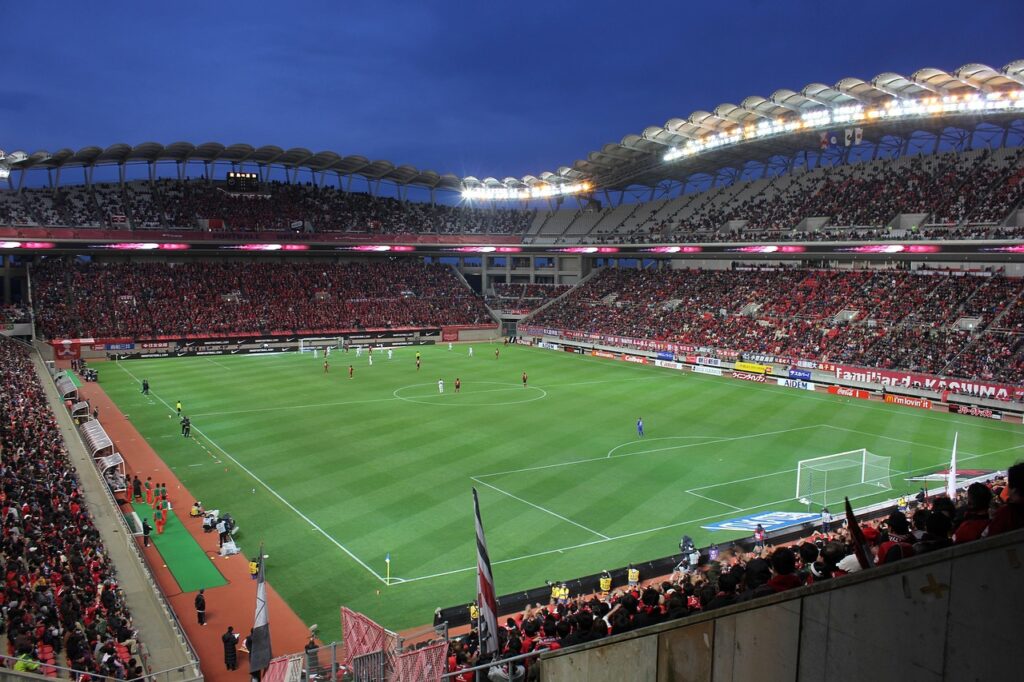

The United States Men’s National Team saw their World Cup journey come to an abrupt end on Monday night in Seattle, falling 4-1 to a clinical Belgium side in the Round of 16. The decisive loss halts the American campaign and denies the squad a long-awaited return to the tournament quarterfinals, a stage they have not reached in 24 years.
A Historic Opportunity Lost
Entering the knockout stage, the U.S. team carried the hopes of a nation eager to witness a breakthrough performance on the global stage. Despite a spirited group stage display, the Americans struggled to contain Belgium’s high-pressure attack from the opening whistle.
Belgium dictated the tempo of the match, utilizing superior ball possession and precise tactical transitions. By the time the final whistle blew at Lumen Field, the disparity in experience and finishing ability had proved too significant for the U.S. to overcome.
Context of the Tournament Run
This match marked a critical juncture for the U.S. program, which has been working to revitalize its standing in international soccer. For a quarter-century, the U.S. men have sought to replicate or surpass their success from the 2002 tournament, where they reached the final eight.
The Seattle venue provided a boisterous home-field advantage, with record-breaking crowds filling the stadium throughout the tournament. However, the energy of the home fans could not bridge the gap in technical execution against the Belgian roster, which features several players competing in Europe’s top-tier leagues.
Tactical Breakdown and Performance
Belgium’s strategy centered on exploiting the flanks, forcing the U.S. defensive line to stretch thin. This tactical maneuver created gaps in the midfield that the Belgian playmakers exploited repeatedly.
While the U.S. managed to find the back of the net, the goal proved to be nothing more than a consolation. Statistical analysis provided by tournament officials indicated that Belgium held a 62% possession rate, maintaining control for the majority of the second half even while leading comfortably.
Expert Perspectives
Analysts note that while the defeat is a setback, it serves as a reality check for the current trajectory of the U.S. program. Former players and coaches have highlighted the need for greater depth and tactical versatility when facing world-class opposition in high-pressure knockout environments.
“The gap between the U.S. and the top-tier European nations remains measurable,” said one industry analyst following the match. “While the progress is visible, the transition from group stage participant to quarterfinalist requires a level of composure under pressure that is only developed through consistent exposure to these elite scenarios.”
Looking Toward the Future
For the U.S. team, the focus now shifts toward internal evaluation and the grooming of younger talent for future cycles. The coaching staff is expected to conduct a comprehensive review of the tournament performance, identifying specific areas for technical improvement before the next international window opens.
Fans and stakeholders will be watching closely to see if this loss leads to significant roster turnover or a shift in tactical philosophy. The challenge for the U.S. Soccer Federation remains clear: closing the competitive divide before the next major tournament cycle begins in earnest.