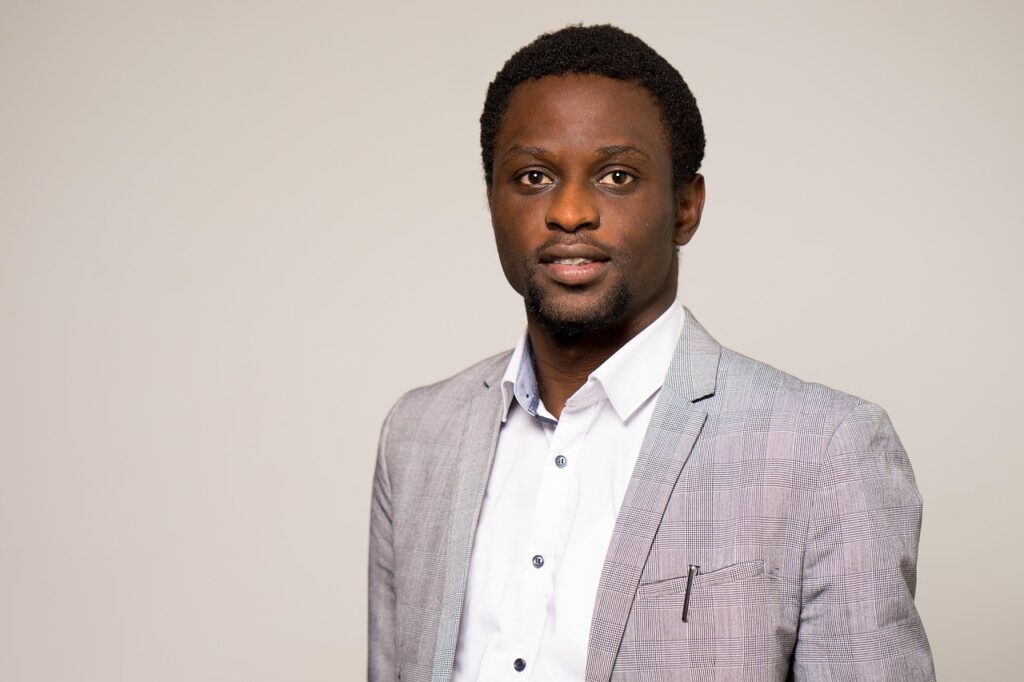

Katharina Görgen, the outgoing director of the Goethe-Institut Chennai, has officially concluded her six-year tenure in Southern India, passing the leadership torch to incoming director Leonhard Emmerling. This transition, effective this month, marks a significant shift in the administration of one of Chennai’s most prominent cultural hubs, as Görgen prepares to relocate to Kraków, Poland, while Emmerling—a seasoned art historian and curator—steps into the role to steer the institute’s future trajectory.
A Legacy of Cultural Diplomacy
During her six-year residency in Chennai, Görgen focused on bridging the gap between German and Indian creative communities, fostering initiatives that prioritized local engagement. Her tenure was characterized by the expansion of language programs and the promotion of contemporary German arts, which saw increased participation from local schools and universities.
Reflecting on her time in India, Görgen noted the resilience and vibrancy of the Chennai art scene as a primary driver for the institute’s programming. Her departure marks the end of a period of stabilization, during which the institute solidified its reputation as a key node for international cultural dialogue in the region.
The Vision of Leonhard Emmerling
Leonhard Emmerling brings a distinct curatorial perspective to the Chennai office, rooted in his extensive experience within the global museum and art history sectors. His appointment signals a pivot toward deeper, more intensive collaborations with local museums, independent writers, and the city’s thriving contemporary art community.
In his opening remarks, Emmerling emphasized that the institute would move toward a model of co-creation rather than mere exhibition. “The goal is to build programs through active dialogue and genuine cultural exchange, ensuring that our projects are deeply embedded in the local discourse,” Emmerling stated.
Strategic Shifts in Programming
Industry analysts suggest that Emmerling’s background as an art historian will likely lead to a surge in cross-disciplinary projects, potentially bridging the gap between traditional Indian art forms and modern German aesthetic practices. The institute is expected to leverage its network to facilitate more residency programs, allowing artists to traverse the geographical divide between the two nations.
Data from recent cultural exchange reports indicate that digital-physical hybrid models have become increasingly critical for international institutes operating in India. Emmerling is reportedly looking to modernize the institute’s digital presence to reach a younger demographic, ensuring that German language and culture remain accessible to students outside of the urban core.
Industry Implications and Future Outlook
For the broader cultural landscape in Chennai, this leadership change represents a potential increase in institutional funding and technical support for local creative projects. The shift toward collaborative curation could provide local artists with unprecedented access to European networks, potentially elevating Chennai-based works to international stages.
Stakeholders should watch for the announcement of the institute’s upcoming annual cultural calendar, which is expected to feature new partnerships with local literary festivals and museum archives. As Emmerling settles into his role, the primary indicator of his success will be the depth of integration between the Goethe-Institut’s programming and the evolving needs of Chennai’s independent creative sector.