
Air Quality Impact of the Semiquincentennial Celebration
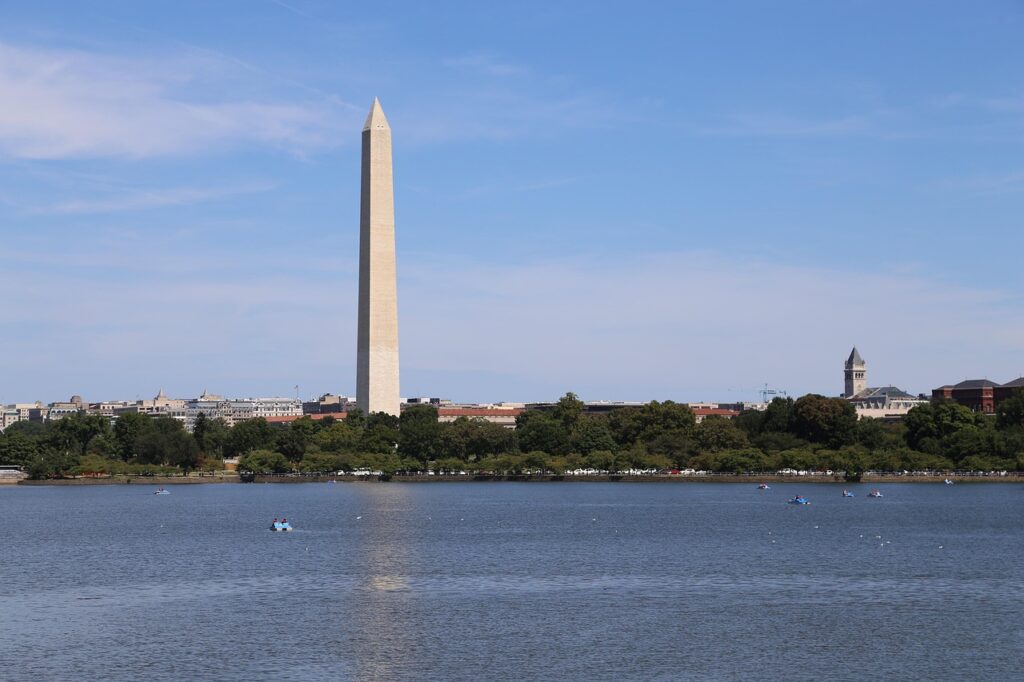
Washington, D.C. experienced a significant spike in air pollution levels on July 4, 2026, following a record-breaking pyrotechnic display commissioned to commemorate the nation’s 250th birthday. The National Park Service had previously warned of potential environmental impacts, yet the event proceeded with a massive deployment of approximately 850,000 fireworks over the National Mall.
Understanding the Environmental Cost of Pyrotechnics
Large-scale fireworks displays are known to release a complex mix of particulate matter, including fine dust and heavy metals, into the atmosphere. The National Park Service’s pre-event assessment explicitly highlighted these risks, noting that the sheer volume of explosives required for the semiquincentennial celebration would likely exceed local air quality safety thresholds.
Historically, July 4th celebrations in urban centers consistently correlate with temporary but sharp increases in PM2.5 levels. These fine particles, measuring less than 2.5 micrometers in diameter, are small enough to penetrate deep into the respiratory system and enter the bloodstream, posing health risks to vulnerable populations.
Analysis of the Scale and Scope
The decision to utilize 850,000 pyrotechnic units transformed the D.C. skyline into one of the most intense aerial displays in history. While the spectacle drew massive crowds to the capital, environmental monitoring stations across the district recorded a surge in pollutants almost immediately after the show commenced.
Data from local air monitoring sensors indicated that concentrations of particulate matter reached levels categorized as ‘unhealthy’ for sensitive groups within hours of the finale. The chemical composition of the smoke, which included strontium, barium, and copper used for vibrant colors, further complicated the localized air quality profile.
Expert Perspectives on Atmospheric Health
Environmental scientists have long cautioned that the aesthetic appeal of mass pyrotechnics often masks the immediate health consequences for nearby residents. According to public health data, the sudden influx of combustion byproducts can trigger asthma attacks and exacerbate pre-existing cardiovascular conditions in the hours following the event.
While the National Park Service implemented mitigation strategies to manage waste and fire safety, managing the invisible atmospheric byproduct of such a massive display remains a significant hurdle. Experts suggest that the scale of this year’s event highlights a growing conflict between traditional public celebrations and modern urban sustainability standards.
Future Implications for Public Events
As municipalities across the country look toward future large-scale events, the D.C. experience serves as a benchmark for environmental planning. Policy makers are now facing increased pressure to evaluate the trade-offs between high-impact visual displays and the immediate health of the local population.
Observers should watch for upcoming discussions regarding the implementation of cleaner, alternative technologies for public celebrations, such as drone light shows. The shift toward sustainable pyrotechnics may gain momentum as cities prioritize air quality metrics alongside public engagement goals.