
A New Diagnostic Frontier
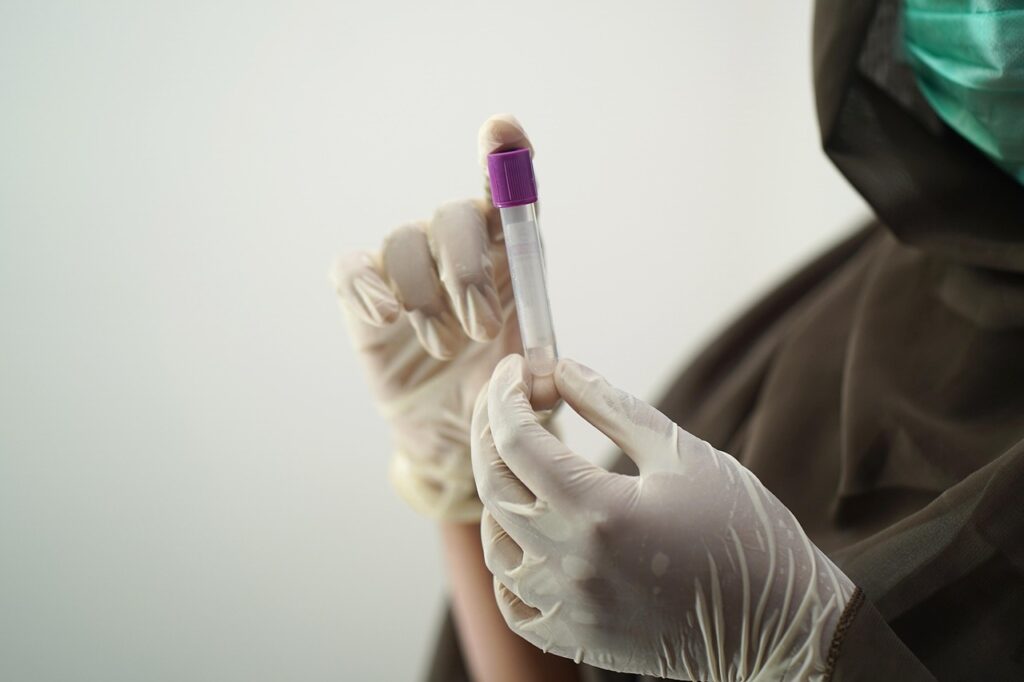
Researchers at the University of Edinburgh’s Centre for Reproductive Health have successfully identified a potential blood-based diagnostic method for endometriosis, a condition that currently takes an average of eight years to diagnose. This study, published this year in the United Kingdom, utilizes specific biomarkers to detect the presence of the tissue-growth disorder, potentially ending the reliance on invasive surgical procedures for millions of patients.
The Burden of Delayed Diagnosis
Endometriosis occurs when tissue similar to the lining of the uterus grows outside of it, causing chronic pain, infertility, and severe systemic inflammation. Historically, the gold standard for confirmation has been laparoscopic surgery, an invasive procedure that requires general anesthesia and significant recovery time.
Because symptoms like severe pelvic pain are often dismissed as ‘normal’ menstrual discomfort, patients frequently endure years of diagnostic uncertainty. According to the World Health Organization, endometriosis affects roughly 10% of reproductive-age women and girls globally, yet the lack of non-invasive testing has remained a primary barrier to early clinical intervention.
Scientific Methodology and Findings
The research team led by Dr. Douglas Gibson analyzed blood samples to isolate distinct molecular signatures associated with the inflammatory response triggered by endometriosis. By focusing on extracellular vesicles—tiny particles released by cells into the bloodstream—scientists were able to distinguish between individuals with the condition and those without it with high sensitivity.
Dr. Gibson described the findings as a significant breakthrough, noting that the ability to detect the disease through a simple blood draw could fundamentally alter clinical workflows. The study suggests that these biomarkers remain consistent across various stages of the disease, providing a reliable metric for early-stage identification before symptoms reach a debilitating intensity.
Industry and Patient Implications
For the medical industry, this development signals a shift toward precision medicine in gynecology. If this diagnostic tool reaches widespread clinical availability, primary care physicians could screen for endometriosis during routine wellness exams, dramatically reducing the time-to-treatment ratio.
For patients, the implications are profound. A non-invasive test could alleviate the psychological burden of living with undiagnosed chronic pain and allow for earlier access to hormonal therapies, lifestyle modifications, or fertility preservation strategies. However, experts caution that while the results are promising, the test must undergo rigorous large-scale clinical trials before it becomes a standard diagnostic tool in hospital settings.
Looking Ahead
As the scientific community moves toward validating these biomarkers in larger, more diverse patient populations, the focus will shift to regulatory approval and accessibility. Observers should watch for upcoming longitudinal studies that assess how this test performs in real-world clinical environments compared to existing imaging technologies like ultrasound or MRI. If successful, this blood test could be the first major step toward a future where endometriosis is treated as a manageable chronic condition rather than a life-altering medical mystery.