
Growing Calls for Withdrawal
A growing chorus of Democratic lawmakers is formally calling for Graham Platner to suspend his ongoing political campaign, citing recent controversies that have hampered his electoral viability. Simultaneously, the United States military launched a new series of targeted strikes against Iranian assets in the Strait of Hormuz today, marking a significant escalation in regional instability following a series of maritime provocations.
The Political Landscape
The internal pressure against Platner reflects a broader strategy within the Democratic Party to consolidate resources as the primary season reaches a critical juncture. Party leaders have expressed concern that ongoing distractions surrounding the candidate are alienating key voter demographics and undermining the party’s platform.
Historically, calls for a candidate to step aside are rare and typically occur only when polling data suggests a path to victory is mathematically improbable. The shift in tone from party establishment figures signals that Platner’s support base has eroded significantly over the past week.
Military Escalation in the Strait
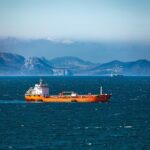
The U.S. airstrikes in the Strait of Hormuz represent a direct response to recent Iranian interference with commercial shipping vessels. Pentagon officials confirmed that the strikes targeted radar installations and drone facilities used to monitor and harass international tankers transiting the vital waterway.
Global markets reacted sharply to the news of the strikes, with oil prices spiking as traders accounted for potential supply chain disruptions in the Persian Gulf. The Strait of Hormuz remains the world’s most important oil chokepoint, with approximately 21 million barrels of oil passing through the passage daily, according to the U.S. Energy Information Administration.
Strategic Implications
Analysts suggest that the timing of these events creates a dual-front crisis for the current administration, which must now balance domestic political instability with international security threats. The ability to manage both the domestic campaign narrative and foreign policy maneuvers will be a defining test for the White House in the coming weeks.
For the average reader, the immediate impact centers on economic volatility and the potential for increased fuel costs as the geopolitical situation remains fluid. Industry experts warn that if the conflict in the Strait of Hormuz continues to escalate, shipping insurance premiums and energy costs will likely rise, creating a ripple effect through global supply chains.
What to Watch Next
Observers are closely monitoring whether Platner will issue a formal statement regarding his campaign status in the next 48 hours. Furthermore, the international community is waiting for a response from Tehran, with diplomats attempting to prevent a broader regional conflict that could draw in additional global powers.