
Political Pressure Mounts Against Graham Platner
A growing number of Democratic officials publicly called for candidate Graham Platner to withdraw from his campaign on July 7, citing concerns over party unity and electoral viability. Simultaneously, the United States military initiated a series of targeted strikes against Iranian assets in the Strait of Hormuz following a surge in regional maritime hostilities.
The Context of Democratic Discontent
The calls for Platner to step aside originate from a perception that his campaign has stalled during a critical phase of the election cycle. Party leaders are increasingly worried that lingering internal divisions could weaken the ticket’s performance in upcoming contests.
This internal pressure follows weeks of speculation regarding Platner’s polling numbers and his ability to secure necessary coalition support. Political analysts note that such public interventions are rarely deployed unless party leadership believes the electoral risk has become untenable.
Escalation in the Strait of Hormuz
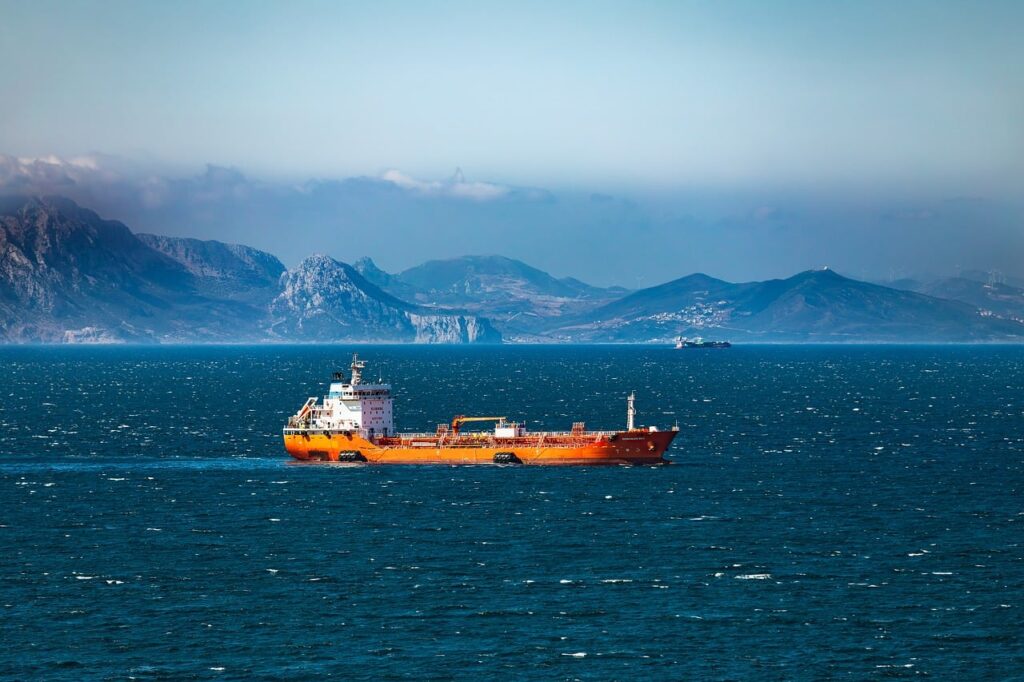
In a parallel development, the U.S. Department of Defense announced that military forces launched precision strikes against Iranian military facilities in the Strait of Hormuz. These actions were taken in direct response to repeated provocations against international shipping vessels passing through the vital waterway.
The Strait of Hormuz remains a central artery for global energy, with nearly one-fifth of the world’s oil consumption flowing through the narrow passage. Tensions in the region have escalated over the past month, leading to heightened alert levels among Western naval forces stationed in the Persian Gulf.
Expert Perspectives on Strategic Stability
Defense analysts suggest that the U.S. response is intended to deter further interference with merchant shipping without triggering a broader regional conflict. “The strikes are calibrated to demonstrate resolve while maintaining a clear threshold for escalation,” said a senior fellow at the Center for Strategic and International Studies.
Conversely, political strategists watching the Platner campaign suggest that the domestic news cycle is being heavily dominated by foreign policy crises. This shift in media attention often forces domestic candidates to address national security concerns, further complicating their ability to communicate core policy platforms to voters.
Implications for Future Policy and Strategy
For the Democratic Party, the immediate hurdle is managing the fallout of the Platner controversy before the next primary filing deadline. If the candidate refuses to withdraw, the party faces the prospect of an expensive and potentially damaging internal contest.
On the international front, observers are watching for the Iranian response to the latest military strikes. The primary concern among market analysts is that sustained volatility in the Strait of Hormuz could lead to significant spikes in global oil prices. Future developments hinge on whether the U.S. and its allies can establish a stable maritime security framework or if further kinetic engagement is inevitable.