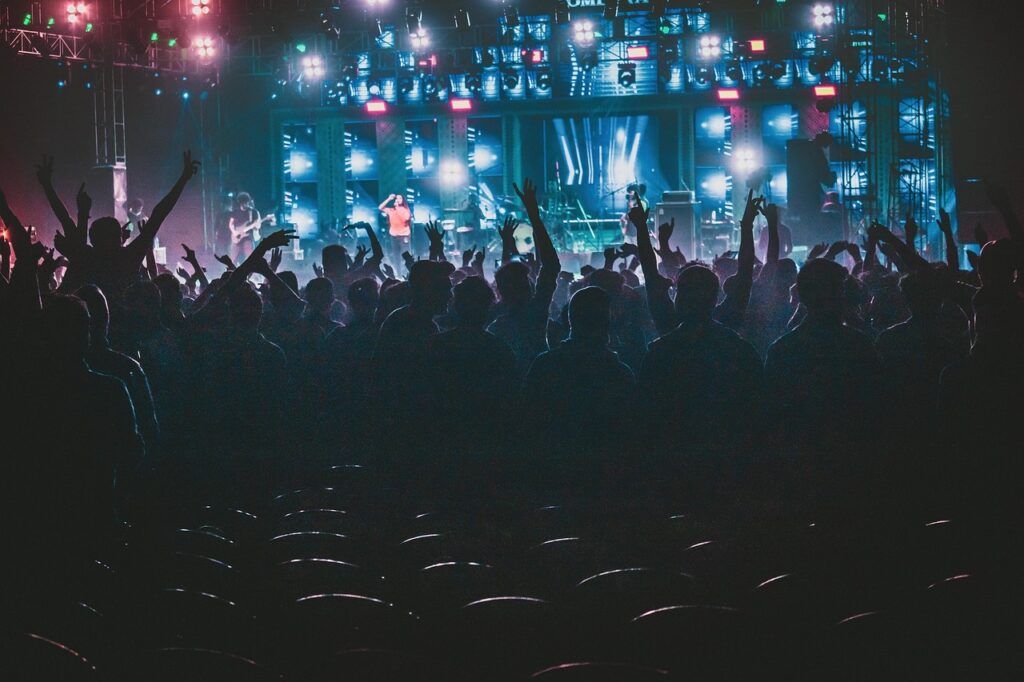

Global pop icon Justin Bieber will headline the inaugural World Cup halftime show on July 19, leading a star-studded lineup that includes music legends Madonna, Shakira, and international sensation BTS. The performance, marking the first time in the tournament’s history that a dedicated halftime entertainment segment will be held, aims to bridge the gap between world-class sports and global entertainment on one of the largest stages in television history.
A New Era for Tournament Entertainment
For decades, the FIFA World Cup has maintained a traditional format, focusing primarily on the athletic competition between national teams. Unlike the Super Bowl, which has long integrated halftime musical performances into its broadcast, the World Cup has historically reserved entertainment for the opening and closing ceremonies.
FIFA’s decision to introduce a halftime show reflects a broader strategy to modernize the viewing experience and attract a younger, more diverse global audience. By integrating high-production value musical segments, organizers hope to sustain viewer engagement during the 15-minute intermission, mirroring successful broadcast trends seen in American sports culture.
A Diverse Musical Mosaic
The selection of artists underscores a deliberate attempt to represent a global demographic. Justin Bieber, a Canadian powerhouse, brings significant North American appeal, while Colombian star Shakira offers a deep historical connection to soccer, having performed at multiple previous World Cup ceremonies.
The inclusion of BTS, the South Korean boy band that has redefined international pop music, signals FIFA’s intent to tap into the massive, digitally native fanbase that dominates social media conversations. Madonna, a veteran of large-scale stadium productions, provides the legendary status necessary to anchor the spectacle.
Expert Perspectives on Commercial Impact
Industry analysts suggest that this move is as much about advertising revenue as it is about entertainment. According to data from sports marketing firm Nielsen, halftime shows significantly increase secondary viewership, often serving as a hook for casual viewers who may not follow the sport closely.
“Integrating pop culture icons into the core of a major sporting event is a proven method for maximizing brand partnerships and social media virality,” says media strategist Elena Rodriguez. “This shift allows FIFA to capitalize on the massive cross-promotion opportunities between the music industry and professional soccer.”
Shifting Industry Standards
The introduction of this halftime show creates a new benchmark for international sporting events. As streaming platforms and television networks battle for shrinking attention spans, the pressure to deliver ‘event television’ has never been higher.
For the average viewer, this signifies a change in how the sport is consumed, moving toward a multi-genre broadcast package. While traditionalists may express concern regarding the distraction from the game itself, the commercial success of this experiment will likely dictate whether halftime shows become a permanent fixture in future World Cup cycles.
What to Watch Next
Industry observers are closely watching how the transition from the pitch to the stage will be managed technically, as the field must remain in pristine condition for the second half of the match. Furthermore, the success of this July 19 performance will likely spark discussions among other major international sporting bodies, such as the Olympic Committee and UEFA, regarding the potential for similar entertainment integrations in their own marquee events.