
Unauthorized Aerial Maneuvers Over the Capital
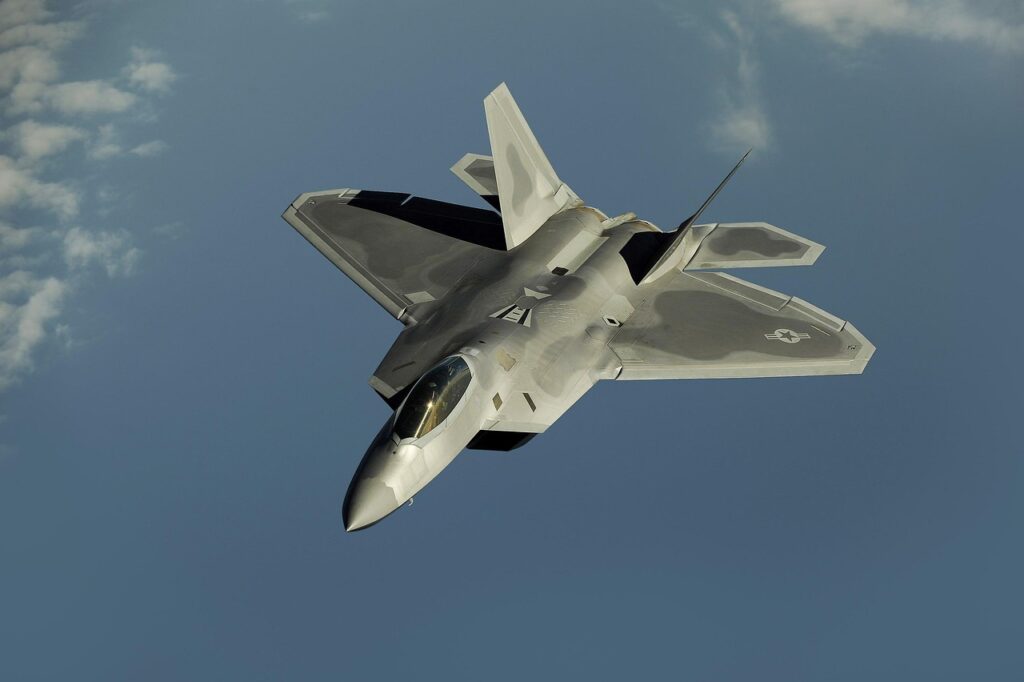
NASA Administrator Jared Isaacman executed a controversial private flyover above Washington, D.C., this past Saturday, piloting military-grade jets while accompanied by Acting Attorney General Todd Blanche. The flight proceeded despite explicit safety objections and disapproval from the Federal Aviation Administration (FAA), which manages the highly restricted airspace over the nation’s capital.
The event, which occurred during the July 4th weekend, has sparked immediate scrutiny regarding the intersection of high-level government officials and private aviation protocols. While celebratory flyovers are common during federal holidays, these operations typically require rigorous interagency coordination and strict adherence to safety standards overseen by both the FAA and the Department of Defense.
Regulatory Context and Airspace Restrictions
Washington, D.C., maintains some of the most stringent airspace restrictions in the world, designated as Special Flight Rules Area (SFRA) and Flight Restricted Zone (FRZ). Flying within these sectors without authorization is a violation of federal regulations and poses significant security risks to government facilities and the general public.
The FAA’s objection to the flight reportedly centered on safety protocols and the lack of a standardized risk assessment for a civilian-led formation in such a dense urban environment. Historically, flyovers in the D.C. area are reserved for official military demonstrations or state-sanctioned commemorations, involving pilots who have undergone extensive regional training and clearance processes.
A Pattern of Private Aviation Influence
Jared Isaacman, a billionaire entrepreneur and experienced pilot, has long been a vocal proponent of private space exploration and aviation. His leadership at NASA has frequently blurred the lines between private sector innovation and public agency administration, a dynamic that critics argue warrants closer oversight.
The presence of Acting Attorney General Todd Blanche in the cockpit raises further questions regarding the official capacity of the flight. Legal experts suggest that the involvement of a top Justice Department official in a mission that bypassed FAA warnings could lead to an internal ethics review. The incident highlights a growing trend where political figures leverage personal assets to circumvent traditional bureaucratic gatekeeping.
Expert Analysis and Industry Impact
Aviation safety experts argue that the incident sets a dangerous precedent for general aviation. According to data from the National Transportation Safety Board (NTSB), unauthorized maneuvers in restricted zones significantly increase the probability of mid-air incidents, particularly when civilian aircraft are integrated into sensitive flight paths.
“Airspace safety is predicated on the assumption that all participants follow the same set of rules, regardless of their professional title,” noted an aviation policy analyst. “When high-ranking officials operate outside those bounds, it erodes the integrity of the entire regulatory framework.”
Industry observers are now looking toward the FAA to determine if formal sanctions or enforcement actions will follow. If the agency fails to penalize the violation, it may signal a shift in how restricted airspace is managed for those with significant political or financial capital.
Future Implications for Aviation Oversight
The aftermath of this flyover will likely trigger congressional inquiries into the vetting processes for private flight operations conducted by government appointees. Observers should watch for upcoming briefings from the Department of Transportation regarding the specific safety waivers, if any, that were bypassed or ignored during the event.
Furthermore, the incident may accelerate legislative efforts to tighten the criteria for private aircraft operating within the National Capital Region. The long-term impact on NASA’s public image and its relationship with the FAA remains a critical point of concern for stakeholders in both the aerospace and policy communities.