
Legal Strategy Unfolds
Former President Donald Trump announced this week that he will petition the United States Supreme Court to rehear a high-stakes citizenship case, despite legal experts noting the extreme rarity of such a procedural maneuver. The move follows a recent ruling that did not favor his administration’s prior objectives regarding census data, prompting the former president to seek an unprecedented intervention from the high court.
The Weight of Precedent
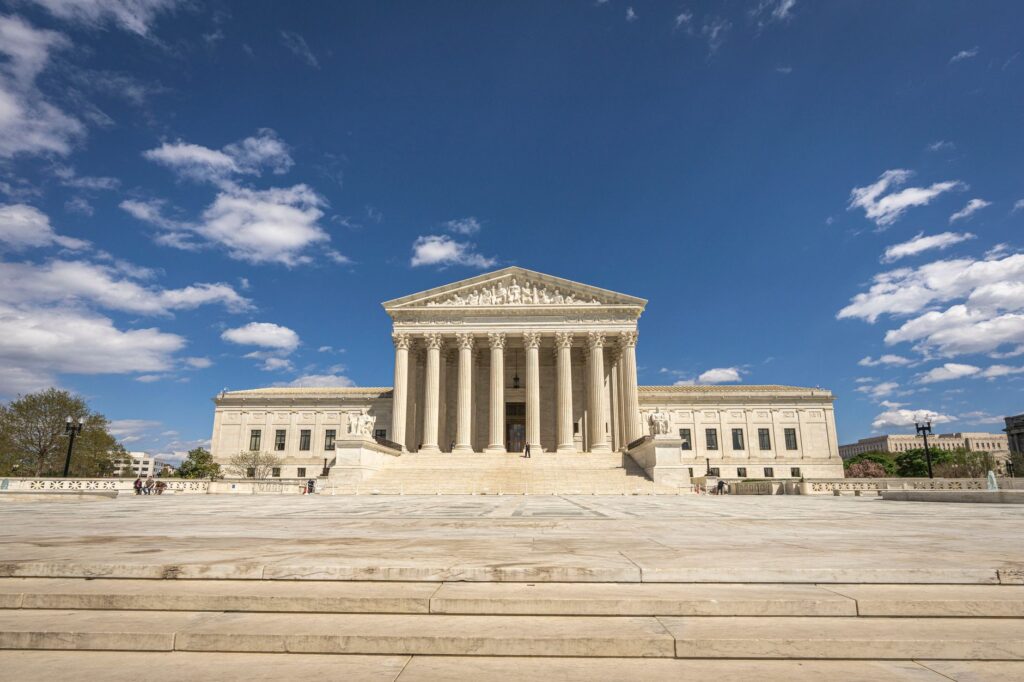
The request faces significant structural hurdles within the American judicial system. Historical data indicates that the Supreme Court has not granted a request for a rehearing following a final decision since 1965. Furthermore, the court has only reversed its own ruling after a rehearing on a single occasion throughout its history.
Legal scholars emphasize that the Supreme Court is not designed to function as an appellate body for its own finalized opinions. The justices typically view their rulings as definitive, and the burden of proof required to trigger a rehearing is exceptionally high. Most petitions of this nature are denied summarily without comment from the bench.
Analyzing the Legal Landscape
The core of the dispute revolves around the inclusion of citizenship status in census reporting, a topic that has generated intense political and constitutional debate for years. Proponents of the legal challenge argue that the court failed to fully consider specific administrative arguments during the initial proceedings. However, opponents suggest that this motion is primarily a symbolic gesture intended to maintain political momentum rather than a viable legal strategy.
Data from the Supreme Court’s clerk office confirms that the court receives hundreds of petitions annually, but those seeking to overturn a settled ruling are almost universally rejected. The court’s internal rules require a significant majority of justices to agree that a fundamental error occurred in the original decision to even consider such a request. Without a change in the composition of the court or the emergence of extraordinary new evidence, the probability of the request being granted remains statistically negligible.
Industry and Political Implications
For observers of the American legal system, this development highlights the growing intersection of political strategy and constitutional litigation. As political figures increasingly utilize the court system as a platform for public discourse, the boundaries between legal advocacy and political messaging continue to blur.
For the legal industry, this case serves as a reminder of the finality of Supreme Court decisions. Attorneys are watching closely to see how the court handles the petition, as a formal response—or lack thereof—could signal the justices’ current tolerance for extraordinary procedural filings. If the court issues a sharp rebuke or a rapid denial, it may deter future litigants from attempting to reopen settled matters.
Moving forward, the primary focus for analysts will be the speed and tone of the court’s response. Observers should watch for whether the justices issue a brief, standard denial or if they provide a written memorandum explaining the court’s stance on the necessity of judicial finality. This outcome will likely set the tone for how the judiciary handles similar attempts to challenge the integrity of finalized rulings in the coming election cycle.