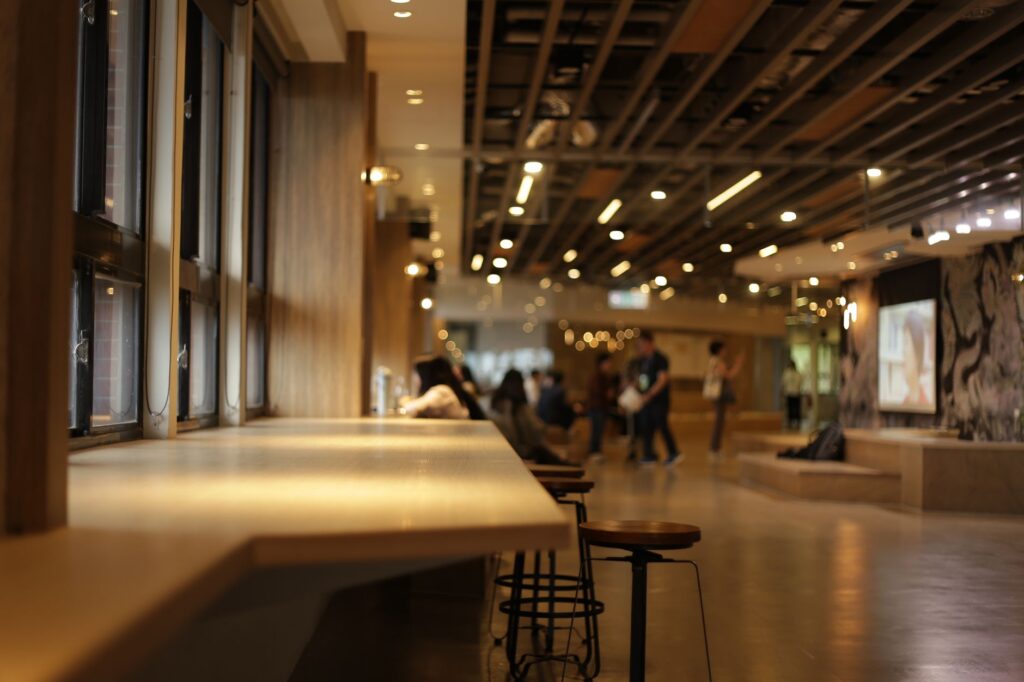

A new wave of young restaurateurs in Pune is fundamentally reshaping the city’s social landscape by transforming traditional cafés into multi-purpose community hubs. Throughout 2024, these establishments have moved beyond the transactional model of serving coffee to host run clubs, coffee raves, and creative workshops, effectively prioritizing lingering over high-turnover service.
The Evolution of the Third Space
For decades, the café model in India focused on rapid service and standardized experiences. However, the post-pandemic shift toward flexible work and a desire for authentic social connection has prompted a pivot in Pune’s hospitality sector.
Restaurateurs are now designing spaces that function as “third places”—environments distinct from home and the office. By integrating globally inspired menus that transition seamlessly from morning caffeine rituals to evening cocktail hours, these venues have become the city’s de facto living rooms.
Community-Driven Programming
The defining feature of this trend is the curation of experience-based events. Rather than relying solely on ambiance, owners are leveraging their floor plans to host morning run clubs and evening collaborative workshops.
Industry analysts note that this strategy serves a dual purpose. It creates a loyal customer base that views the café as a lifestyle brand rather than a mere pit stop, and it maximizes revenue potential during off-peak hours.
Economic and Social Drivers
Data from local hospitality associations suggests that venues offering community-centric programming report a 25% higher retention rate among Gen Z and millennial patrons compared to traditional coffee chains. This demographic shift is fueling a market where the value of a seat is measured in the time spent rather than the speed of consumption.
Expert observers suggest that this movement mirrors global trends in cities like Melbourne and Berlin, where the café serves as a cultural anchor. In Pune, this is manifesting as an intentional rejection of the “hustle culture” that previously dominated the city’s urban centers.
The Future of Urban Hospitality
The rise of these slow-living spaces carries significant implications for the broader hospitality industry. Investors are increasingly looking for properties that can accommodate versatile programming, signaling a move away from rigid, single-use retail footprints.
Looking ahead, the next phase of this trend will likely involve the integration of more permanent professional amenities, such as co-working nooks and exhibition spaces. As these cafés solidify their roles as community pillars, the focus will remain on whether these establishments can maintain their intimate, slow-paced charm while scaling their operations to meet rising urban demand.