
Preserving Family Lands for Nature
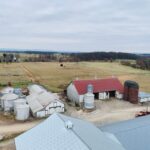
Across the state of Indiana, a profound transformation is currently underway on a sprawling 400-acre property. For decades, this land was carefully tended by Lois Lynn Lowe Farris, a dedicated steward who deeply cherished her family holdings. When she passed away at the remarkable age of 99, her estate ensured that her lifelong dedication to the landscape would endure in a truly remarkable way. Rather than selling the acreage for commercial development, her final wishes directed the property toward a noble environmental purpose.
A Vision Established Decades Prior
The groundwork for this ecological revival was actually laid many years before the transition of ownership took place. Back in 2005, the property owner developed a detailed conservation blueprint designed to protect the natural integrity of the region. This foresight has now become the guiding framework for modern restoration efforts. Since the estate officially transferred the land to conservation entities in 2022, specialists have meticulously followed these original directives to bring the ecosystem back to its pristine state.
Restoring Native Habitats
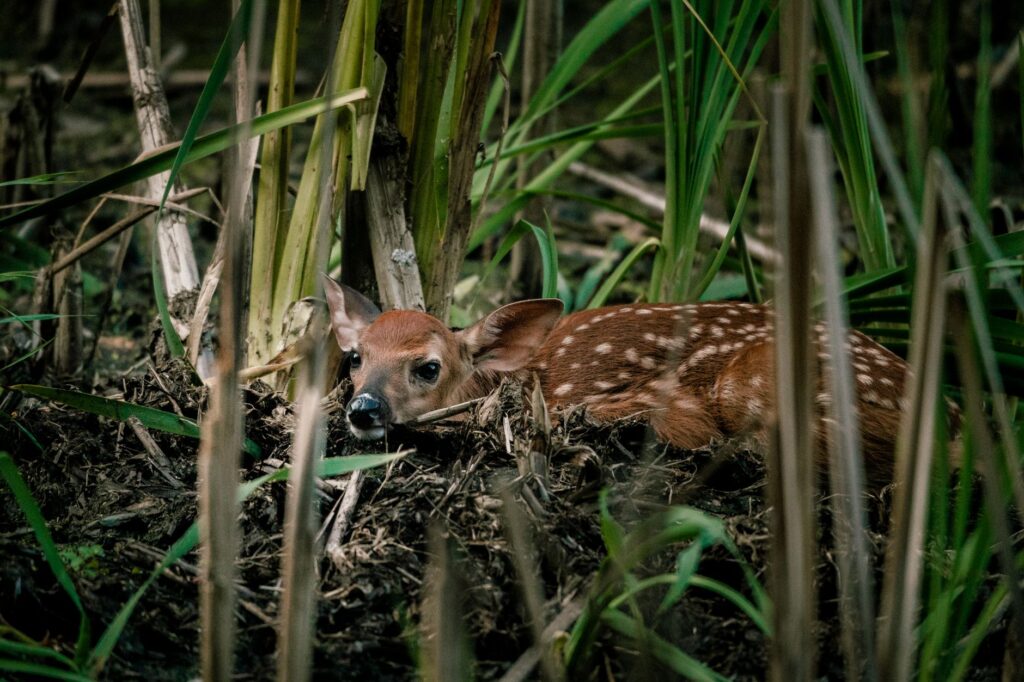
The primary objective of the ongoing project is to revive the native flora and fauna that once flourished across the region. Decades of agricultural use altered the natural landscape, but the current initiative focuses on reversing those impacts. Environmental experts are working to reestablish native grasses, wetland areas, and forest zones. These improvements provide vital safe havens for local wildlife species, ranging from migratory birds to indigenous mammals.
Honoring a Lasting Legacy
The ambitious restoration endeavor serves as a lasting tribute to a lifetime of land stewardship. By prioritizing environmental health over commercial interests, the initiative sets a powerful example for other landowners across the Midwest. As the natural habitats continue to heal and expand, the 400-acre sanctuary stands as a permanent monument to one individual’s enduring commitment to the natural world.