



The Escalation of Hostilities
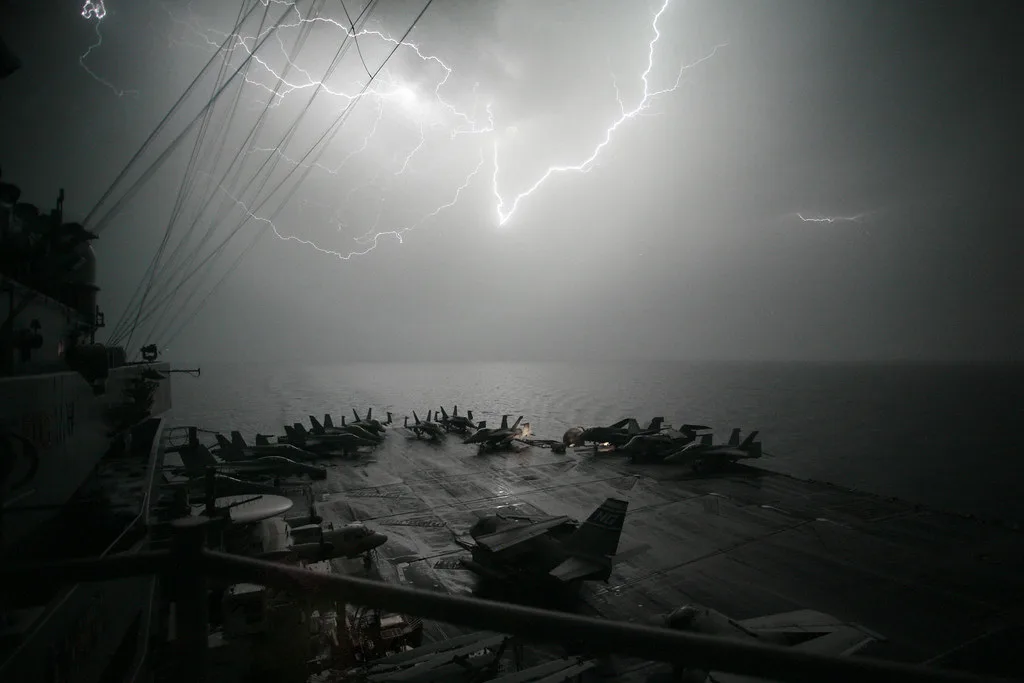
Tensions in the Persian Gulf reached a critical threshold today as Iranian forces launched a series of coordinated missile strikes against military installations in Kuwait and Bahrain. In a rapid response, U.S. military forces conducted precision strikes against targets on Iran’s Qeshm Island, characterizing the offensive as a necessary act of self-defense to protect regional allies and neutralize immediate threats.
Contextualizing the Conflict
This military escalation follows months of heightened friction between Tehran and Washington, exacerbated by disputes over maritime security, regional influence, and nuclear non-proliferation efforts. The Qeshm Island region has long been considered a strategic vantage point for the Iranian Revolutionary Guard Corps (IRGC) to monitor and potentially disrupt commercial shipping lanes in the Strait of Hormuz.
Military Engagements and Strategic Objectives
The Iranian missile barrages targeted key infrastructure, marking a significant departure from previous proxy-based confrontations. Military analysts suggest that by striking Kuwait and Bahrain, Tehran aimed to signal its capability to bypass conventional defensive shields, including the Patriot missile systems deployed throughout the Gulf Cooperation Council (GCC) states.
Conversely, the U.S. Department of Defense confirmed that its counter-strikes on Qeshm Island were aimed at disabling launch sites and radar installations utilized in the initial attack. The Pentagon stated that its forces successfully intercepted several incoming projectiles, preventing what could have been a catastrophic loss of life at the targeted bases.
Expert Analysis and Regional Impact
Security experts emphasize that the current situation represents the most dangerous volatility in the region since the early 2020s. Dr. Elena Vance, a senior fellow at the Institute for Global Security, notes that the direct nature of these attacks forces all regional actors to reconsider their defensive postures.
Data from regional intelligence monitors indicate that oil prices spiked by nearly 8% within hours of the initial reports, reflecting global market anxiety regarding the security of energy transit routes. Financial analysts warn that a prolonged engagement could disrupt global supply chains that rely heavily on the Strait of Hormuz for crude oil and liquefied natural gas exports.
Future Implications for the Region
The immediate focus for international observers is whether these exchanges will evolve into a full-scale regional war or remain a controlled, albeit dangerous, tit-for-tat military engagement. Diplomatic channels are currently working at an accelerated pace to prevent further escalation, with several European and Middle Eastern capitals calling for an immediate cessation of hostilities.
Moving forward, analysts will be watching for potential Iranian retaliatory measures in the cyber domain or through non-state actors in Iraq and Lebanon. Simultaneously, the U.S. is expected to increase its naval presence in the Gulf, signaling a commitment to maintaining regional stability while navigating the risk of unintended miscalculations that could draw global powers into a wider conflict.